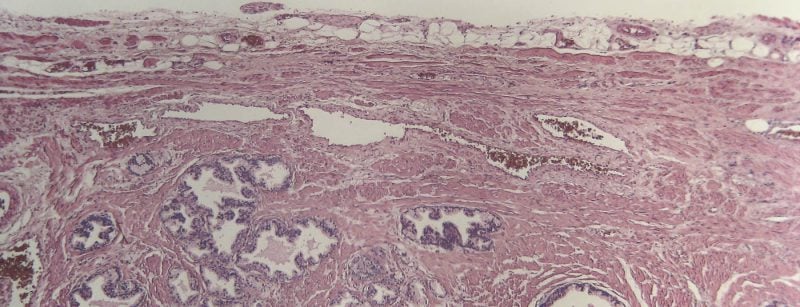
This content is machine translated Therapy of localized prostate carcinoma Brachytherapy with permanent interstitial implantation of iodine-125. The guidelines of the European and American urological societies for localized prostate cancer show that radical prostatectomy, “low dose rate” (LDR) brachytherapy, and external beam radiotherapy have comparable efficacy in…
View Post 6 min This content is machine translated Surgical therapy of pancreatic carcinoma Extended resections – vessels, neighboring organs, recurrences The only chance of long-term survival in pancreatic cancer is radical resection (R0) with adjuvant chemotherapy. To achieve radical resection, extended surgery with resection of the venous porto-mesenteric vessels as…
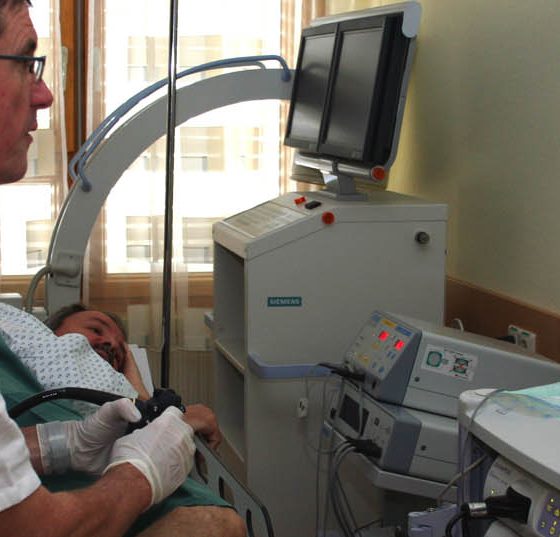
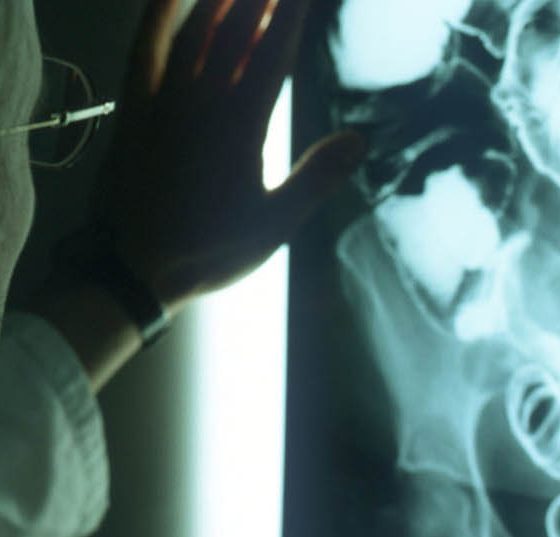
View Post 5 min This content is machine translated Current therapy 2014 Surgical update on colon and rectal cancer. In the case of colorectal carcinoma, surgery is still the only way to cure the disease. Primary therapy of colon carcinoma consists of oncologic resection of the tumor-bearing bowel segment.…
View Post 2 min This content is machine translated Surgical update - colorectal and pancreatic cancers. What’s new? This current issue of InFo ONCOLOGY & HEMATOLOGY focuses on surgery for two important tumor entities: colorectal carcinoma and pancreatic carcinoma.
View Post 9 min This content is machine translated Wound care Pain and anxiety need special attention in children In children, as in adults, wounds heal in different phases. Especially in the younger child, wound healing tends to be faster and with fewer complications. Fibroblasts are available more rapidly…
View Post 6 min This content is machine translated Multimodal arthrosis therapy Not only reduce pain, but also improve function Osteoarthritis is one of the most common degenerative diseases and a major cause of disability and quality of life limitations. The treatment of osteoarthritis is therefore of great importance, all…
View Post 4 min This content is machine translated Aesthetic treatment of the back of the hand When hands still spoke the truth The hands reveal the true age – so they say. In fact, they usually show the most pronounced symptoms of so-called extrinsic skin aging, also called photoaging. Consistent sun protection…
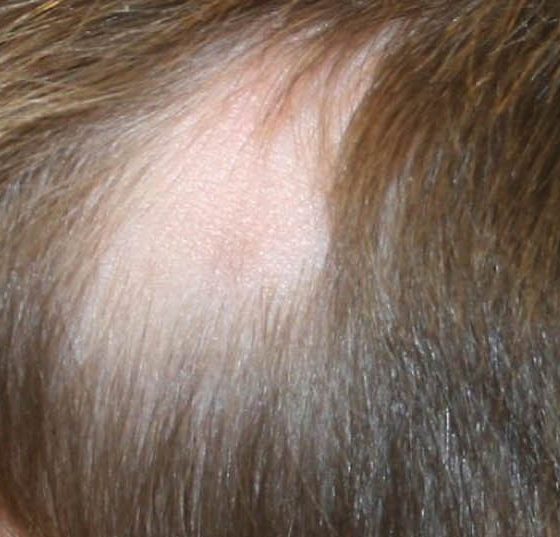
View Post 3 min This content is machine translated Hairless area in a ten year old girl Temporal alopecia areata? Case report: At the age of two years the parents of the now ten-year-old girl noticed for the first time a hairless area temporally on the left side. At the…
View Post 7 min This content is machine translated Chronic obstructive pulmonary disease (COPD) A disease in upheaval COPD is considered a preventable and treatable disease, but this is only partially true. Cigarette smoking is the most commonly identified and preventable risk factor in this country – but…
View Post 5 min This content is machine translated Dyspnea Important questions, dangerous traps, special facets “Try to relax and breathe calmly. Very calmly. If you now find breathing uncomfortable, you have already experienced the problem of dyspnea” – in this or a similar way, the…
View Post 2 min This content is machine translated Pneumology Do not jump to conclusions, but make an accurate diagnosis Dear colleagues, can you imagine that in an emergency department, when a heart attack is suspected, a registration to the cath lab is made without an ECG being derived beforehand?…