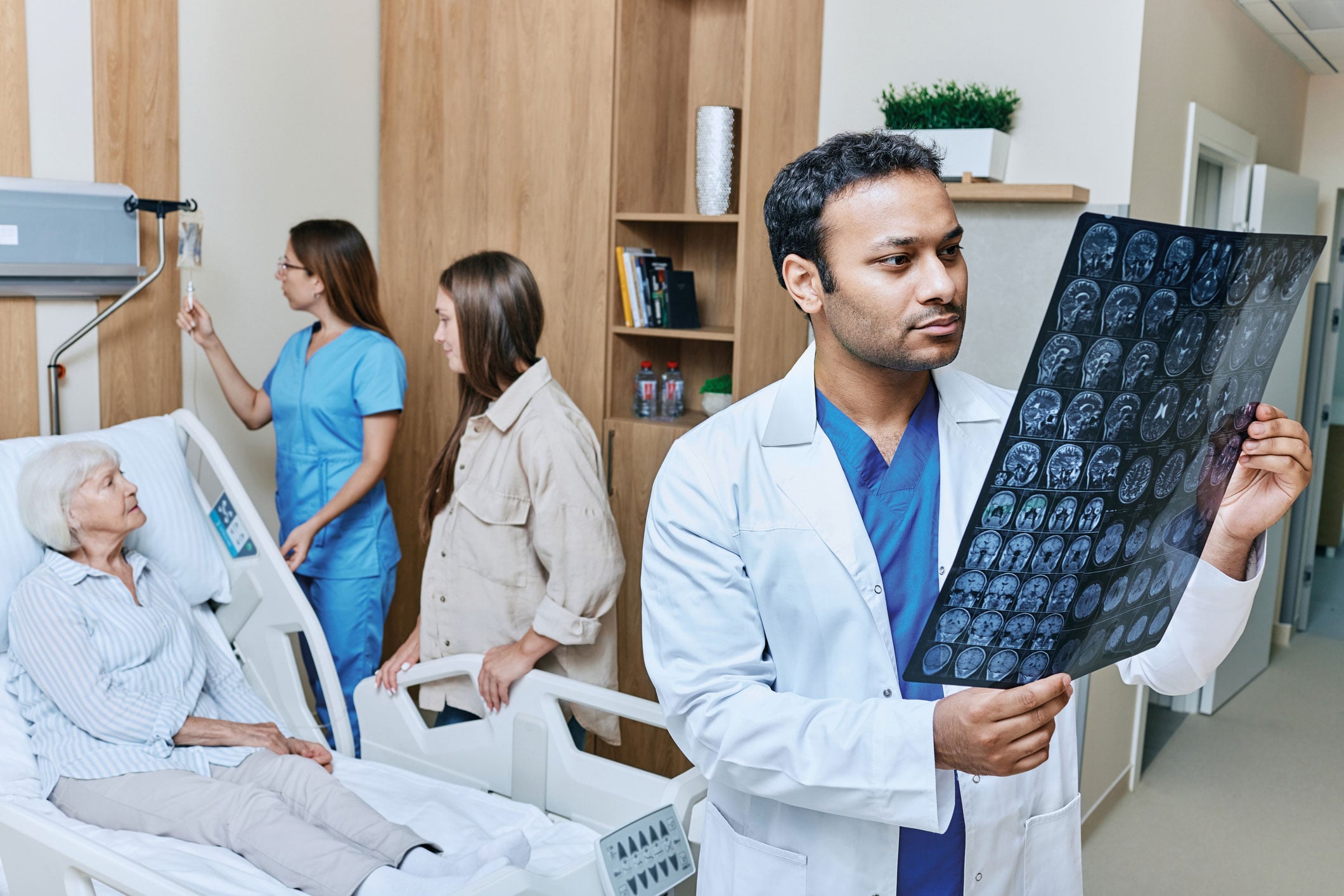
This content is machine translated Transient ischemic attack Comprehensive diagnostic testing can reduce the risk of stroke Anyone who experiences a transient ischemic attack (TIA) should undergo immediate and comprehensive diagnostic evaluation using imaging studies of the brain, the cerebrovascular system, and the heart. This is because...…
View Post 4 min This content is machine translated Psychiatric Self-Diagnoses When ADHD and Autism Suddenly Become “Trendy” Identifying with a psychiatric disorder—or believing one has such a disorder without a formal professional evaluation (self-diagnosis)—seems to be becoming increasingly “trendy” among young people. Among other things, this is...…
View Post 5 min This content is machine translated Long COVID/Fatigue Clinic An Innovative Approach: Neuroplasticity and Predictive Processing At the University Hospital of Basel (USB), a promising neuroplastic therapeutic approach is being tested as part of the fatigue clinic. Based on the fundamental assumption that while fatigue and...…
View Post 6 min This content is machine translated Interbrain Synchrony Two Brains, One Thought Social interaction contributes to physical and mental health and promotes communication, collaboration, learning, and social bonds. It is believed that reciprocal behavior may be accompanied by a coupling and temporal...…
View Post 13 min This content is machine translated Diabetic Polyneuropathy Clinical Presentation, Diagnosis, and Treatment of DSPN Distal symmetric sensorimotor polyneuropathy (DSPN) is the most common form of diabetic neuropathy. About one-third of all diabetes patients are affected by it. They often develop neuropathic pain, although a...… CME-Test
View Post 14 min This content is machine translated Fibromyalgia Syndrome Development, Diagnosis, Epidemiology, and Treatment of a Disease Entity According to the 2010 and 2011 ACR diagnostic criteria, as revised in 2016, fibromyalgia syndrome is a multisymptomatic disorder whose primary symptom is chronic tendon-muscle pain that shifts and spreads...… CME-Test
View Post 4 min This content is machine translated Preclinical Study on a Special Ginkgo biloba Extract What role do proanthocyanidins play? In a laboratory study published in 2025, proanthocyanidins (PACs) were isolated from the specialized ginkgo extract EGb 761® and evaluated using in vitro and in vivo assays in combination with...…
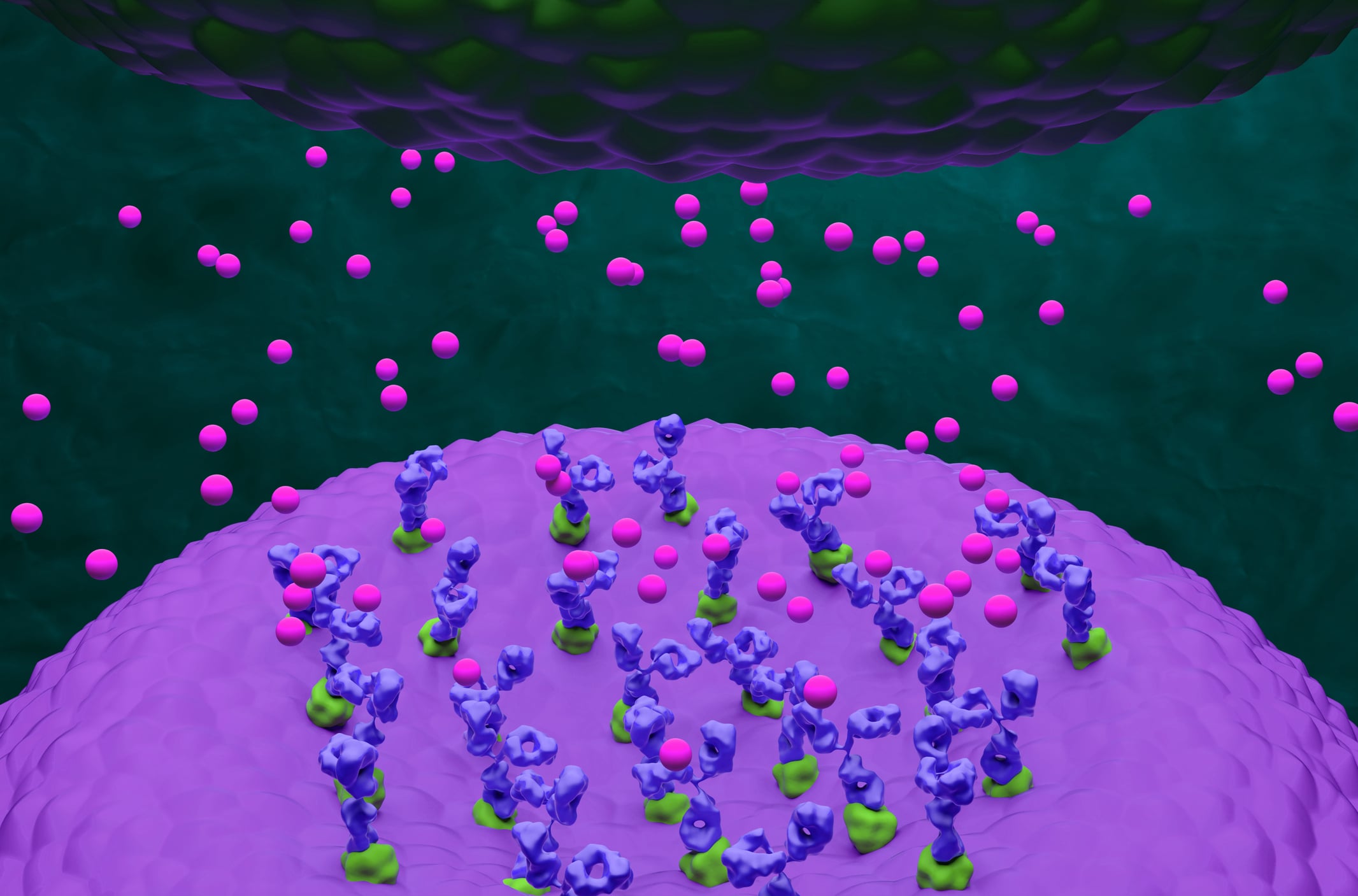
View Post 6 min This content is machine translated Myasthenia gravis: immunomodulatory therapies for long-term treatment Expanded Possibilities Thanks to Innovative Classes of Active Ingredients Myasthenic syndromes result from a disturbance in neuromuscular transmission. Although there is still no curative treatment for myasthenia gravis, the drug treatment options available today offer tailored therapeutic approaches aimed...…
View Post 7 min This content is machine translated Ischemic stroke: Are smaller or larger brain arteries affected? Recent study findings on intravenous lysis therapy with fibrinolytic agents Intravenous thrombolysis, with or without mechanical thrombectomy, is a key pillar in the treatment of ischemic stroke. There are now two approved treatment options available—alteplase and tenecteplase—and Phase II data...…
View Post 7 min This content is machine translated Interview “On par with the gold standards for trauma” Stress-related disorders, chronic pain, and mental health comorbidities are encountered daily in the clinical practice of many medical specialties. Psychological interventions are increasingly recognized as an important component of multidisciplinary...…
View Post 5 min This content is machine translated Psychology: Emotional Freedom Techniques (EFT) Emotional Healing Through Tapping Emotional Freedom Technique (EFT) is an integrative mind-body therapy that is increasingly being used to treat trauma- and stress-related disorders. It combines tapping on acupuncture points (known as “tapping”) with...…