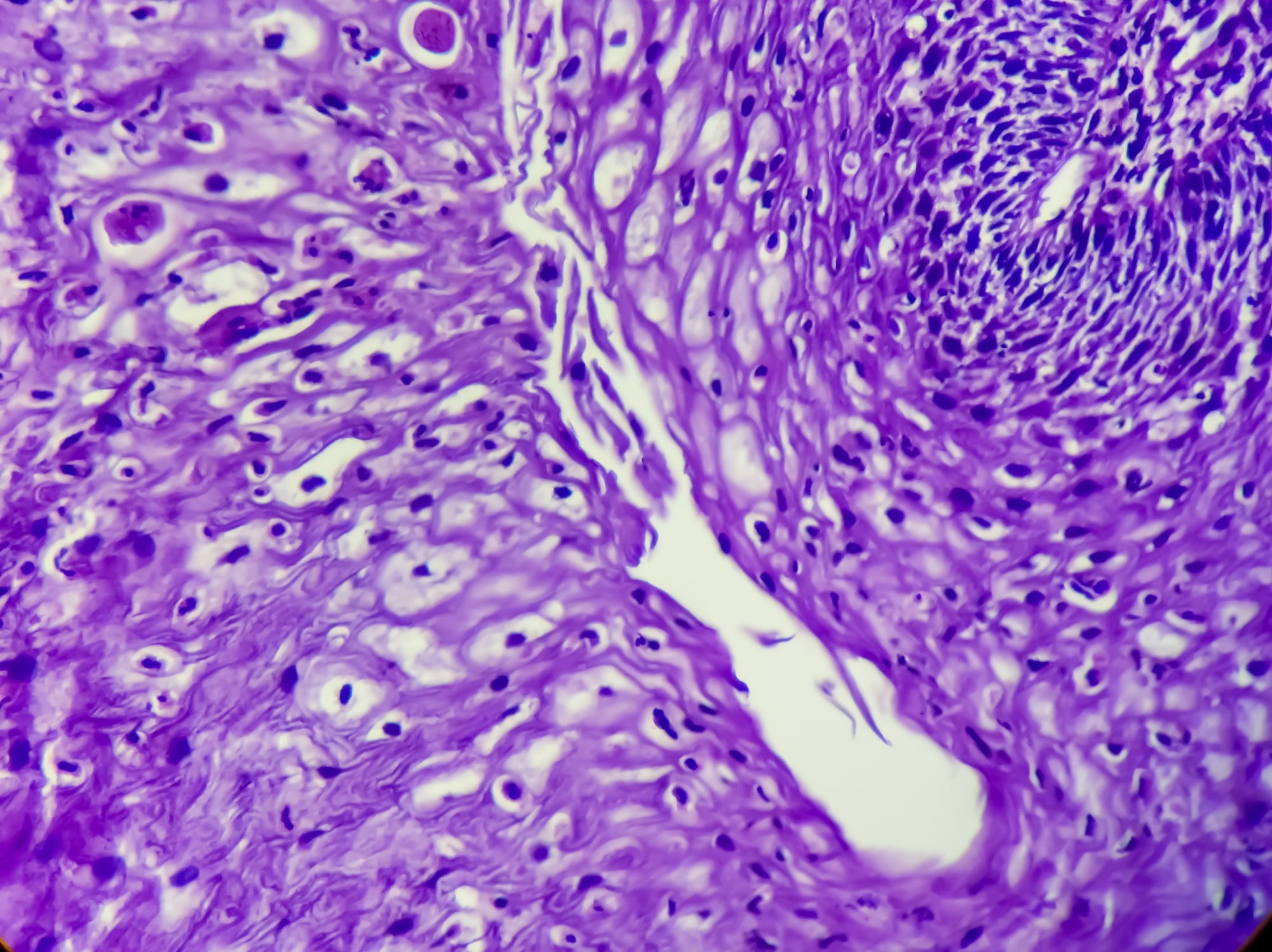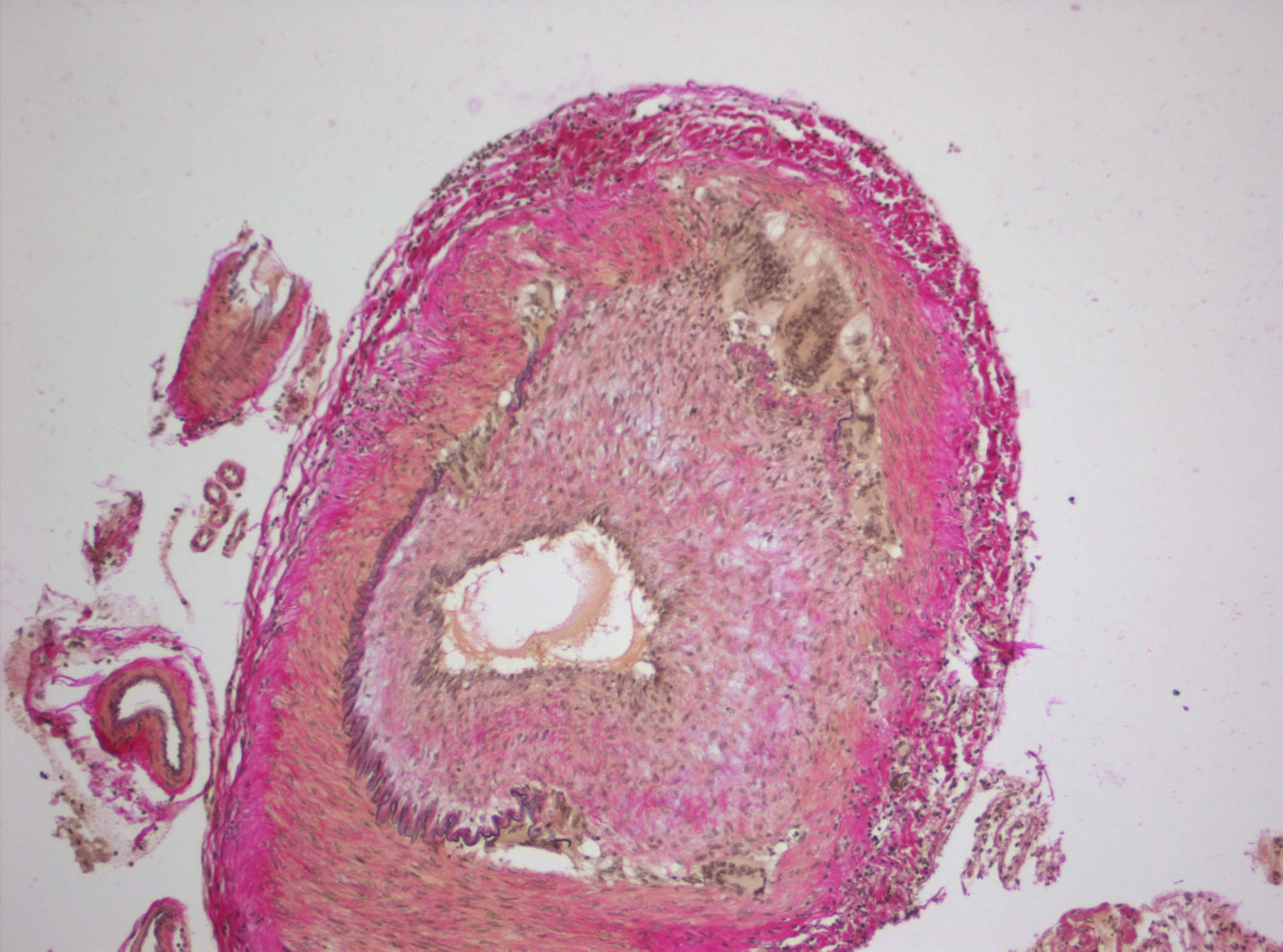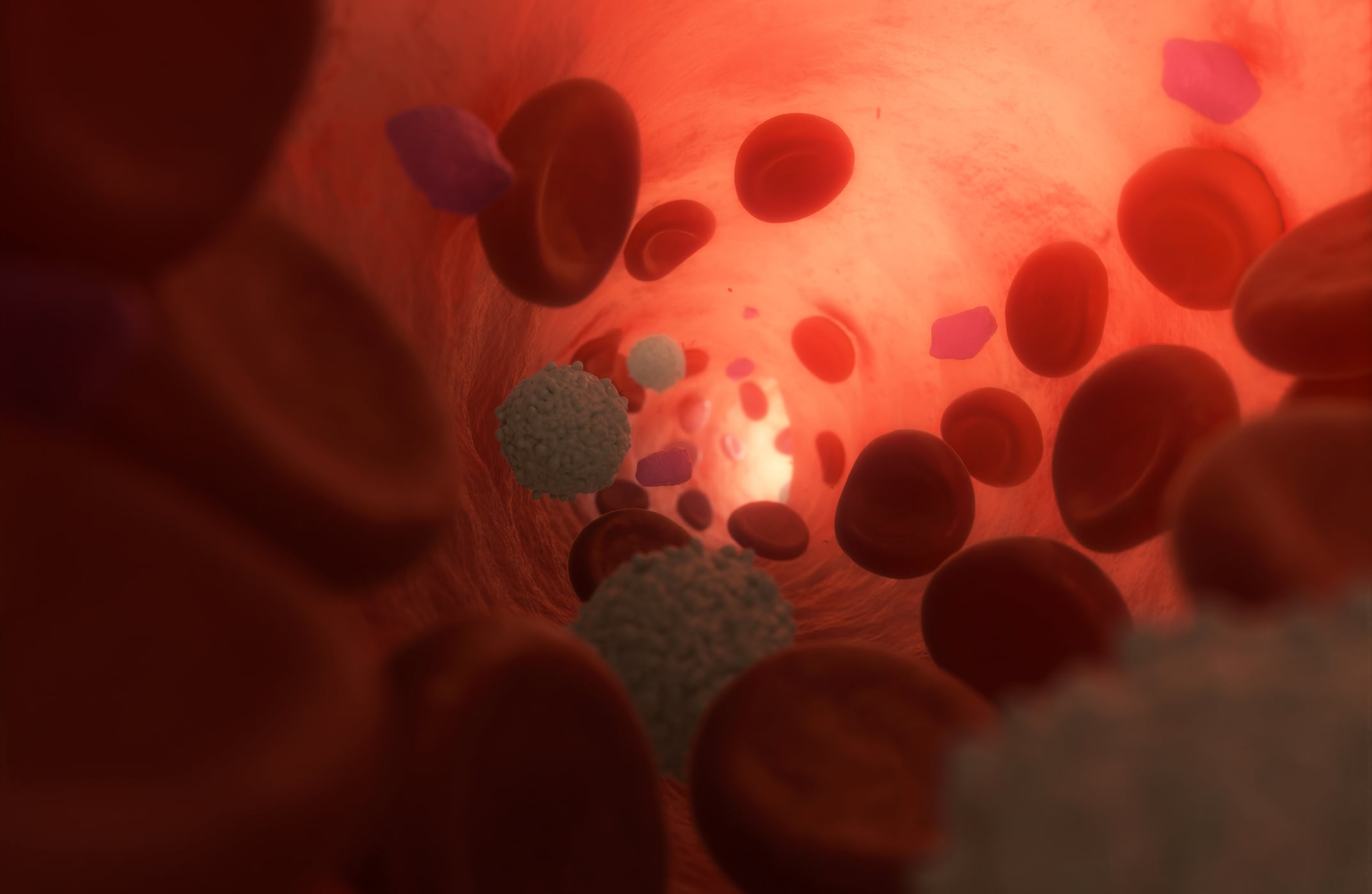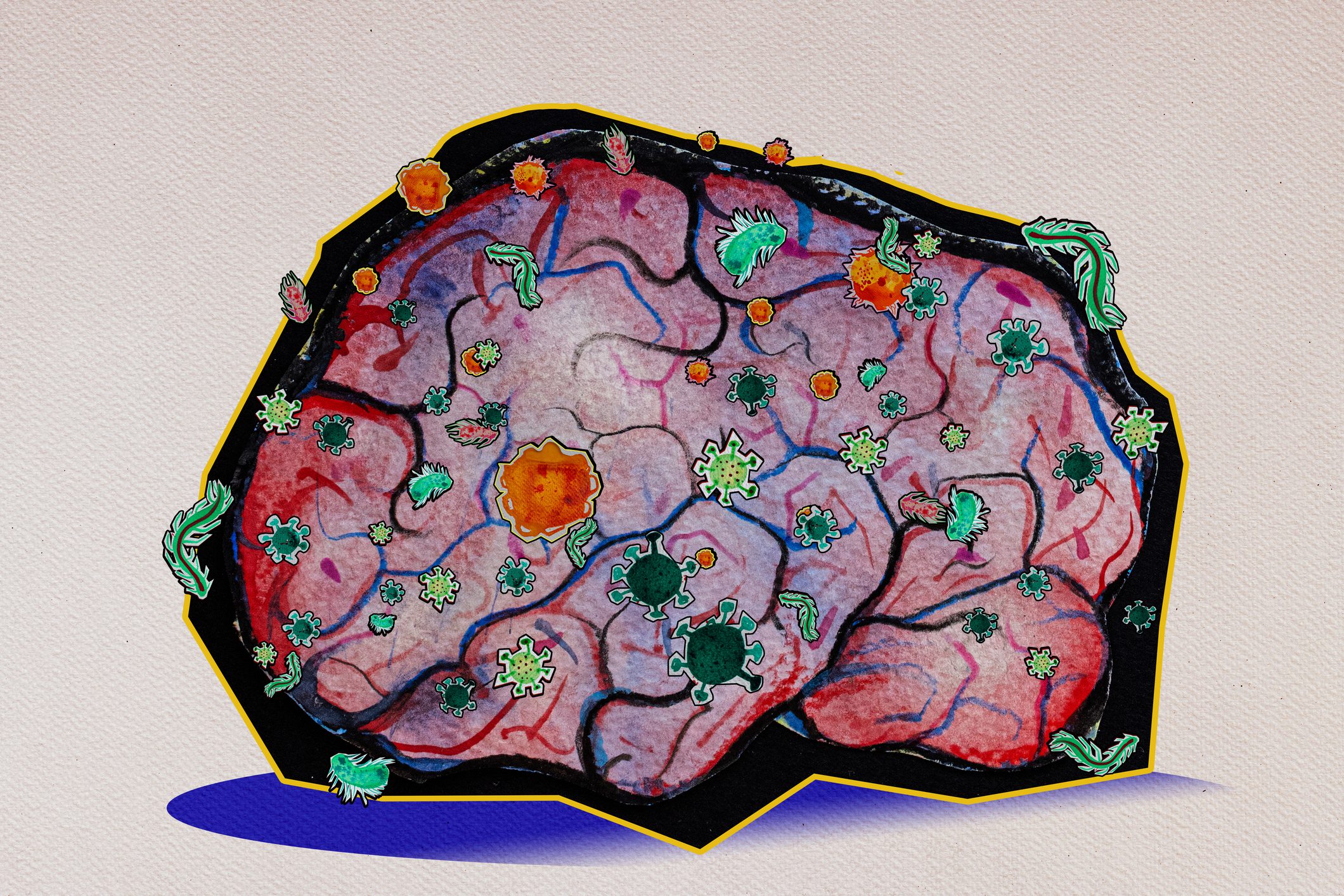
Infectious strokes are rarer than those caused by classic vascular risk factors, but play a significant role, particularly in resource-poor regions. Bacterial, viral, fungal and parasitic pathogens can directly damage blood vessels or lead to cerebral infarctions and hemorrhages via systemic inflammatory and coagulation mechanisms.
Autoren
- Tanja Schliebe
Publikation
- InFo NEUROLOGIE & PSYCHIATRIE
Related Topics
You May Also Like
- Acute nonspecific back pain
Implementing a biopsychosocial approach
- Psychedelic-assisted therapy
Current status of PAT
- Neuropathic Pain
Evidence-Based Neuromodulation Based on Clinical Trials and Real-World Data
- Fibromyalgia Syndrome
Development, Diagnosis, Epidemiology, and Treatment of a Disease Entity
- Juvenile Idiopathic Arthritis
Early Detection and Targeted Treatment in an Interdisciplinary Setting
- Innovative Oral Treatment Options for Psoriasis: Icotrokinra and Zasocitinib
First-class immunomodulation combined with convenience—the data available so far is convincing
- Chronic hand eczema: common, long-lasting, and distressing
Non-steroidal anti-inflammatory treatment options are essential for long-term management
- Disorders of the Gut-Brain Interaction