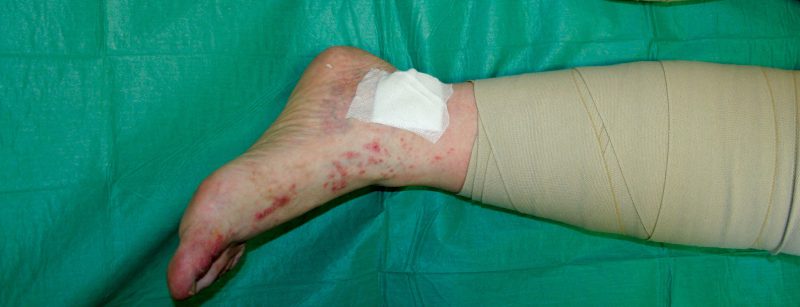
This content is machine translated Venous leg ulcer (UCV) How to treat the classic wound? UCV results from chronic overpressure in the venous system of the lower extremity. The correct diagnosis is made by a detailed history, clinical examination and ultrasound examination. The foundation of…
View Post 5 min This content is machine translated SGDV Congress Skin and vessels The 97th SGDV Congress, held this year at the University of Irchel, followed the motto “Without vessels no skin – without skin no vessels” and was dedicated to the multifaceted…
View Post 5 min This content is machine translated Stroke Symposium in Bern Endovascular therapy for large vessel occlusion gets a boost On August 20, 2015, the Stroke Symposium of the Department of Neurology of the Inselspital Bern took place for the fifth time. The focus of interest this year was endovascular…
View Post 6 min This content is machine translated Peripheral arterial occlusive disease Practical aspects of interventional therapy The indication for endovascular revascularization is an essential component for therapeutic success. There are immense technical possibilities for modern endovascular revascularization. Often, academic reappraisal of clinical efficacy and cost-effectiveness lags…
View Post 3 min This content is machine translated Venous thromboembolism Do patients with pancreatic cancer benefit from prophylaxis? Advanced pancreatic cancer is associated with a significantly increased risk of venous thromboembolism: within one year, approximately one fifth of patients suffer such a complication – with devastating consequences. What…
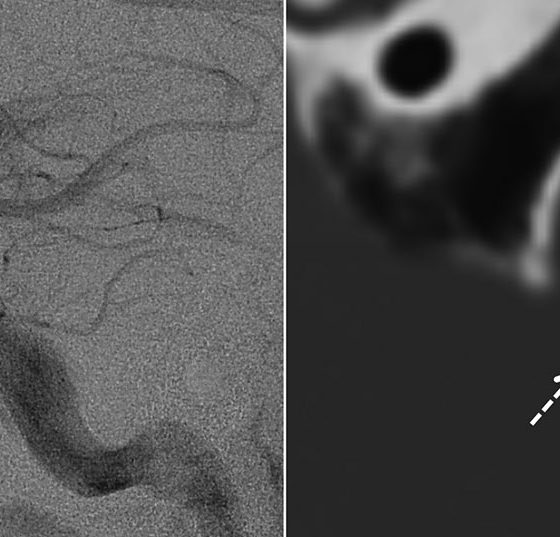
View Post 3 min This content is machine translated Pulse synchronous ear noise Experimental endovascular therapy for pulsatile tinnitus of venous origin. Introduction: In vascular anomalies near the inner ear, some patients perceive pathological blood flow in the form of rhythmic ear noise. This so-called “pulsatile tinnitus” is pulse-synchronous, i.e. it correlates…
View Post 6 min This content is machine translated Elimination of varicose veins Which method for which patient? Various procedures are available today for the treatment of varicose veins. The technique chosen depends on the anatomical conditions and patient characteristics. Endovenous techniques involve thermal, mechanical, and/or chemical destruction…
View Post 11 min This content is machine translated Carotid stimulation Update on the current state of research The carotid stimulator is a device that electrically activates the baroreflex mechanism. As a result, sympathetic tone is attenuated and the renin-angiotensin-aldosterone system is dampened, causing a reduction in blood…
View Post 7 min This content is machine translated PAVK Rehabilitation Comprehensive therapy for a disease whose risk is underestimated Peripheral arterial disease (pAVD) is the manifestation of a disease that is often misjudged in its importance by patients, but also by physicians. Even if the overall prevalence is between…
View Post 6 min This content is machine translated From different normal values to erectile dysfunction The top 10 problems of hypertension therapy Although the treatment of arterial hypertension is part of the “daily bread” in family practice, it also causes headaches time and again. This is because there are a number of…
View Post 7 min This content is machine translated Interventions in angiology Beyond the horizon it goes on… Catheter-based therapy for vascular disease has changed significantly in recent years. Rapid technical progress and greater clinical experience now allow recanalization of even severely calcified and long-stretch arterial occlusions. A…