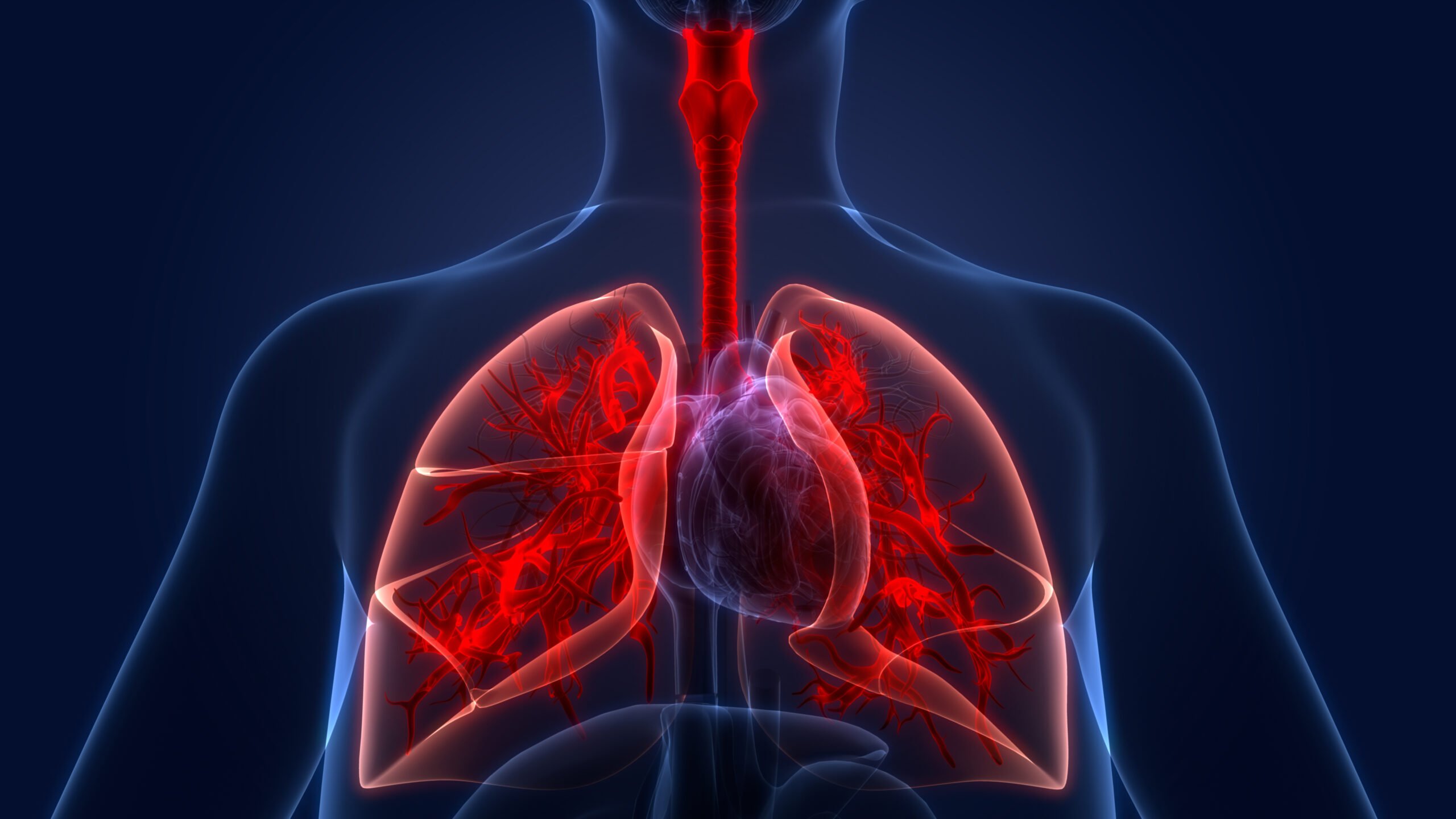
Pulmonary hypertension (PH) describes a hemodynamic condition with a pathological increase in pressure in the pulmonary vascular circulation. Clinically, PH causes reduced performance, shortness of breath, angina and syncope. Comprehensive diagnostics to exclude or classify the various underlying clinical pictures is essential, as the treatment of pulmonary hypertension sometimes differs considerably depending on the underlying disease.
Autoren
- Dr. med. Yaosi Li
- Dr. med. Daniel Grund
Publikation
- HAUSARZT PRAXIS

Related Topics
You May Also Like
- Asthma during pregnancy
Up to 40% suffer worsening of symptoms during pregnancy
- From symptom to diagnosis
Complicated renal cysts
- Atrial fibrillation
Anticoagulation after catheter ablation – for how long?
- Wound treatment and dermal defect coverage
Fish skin matrix for the treatment of complex ulcers
- Well-being of the medical profession in primary care
Findings of a nationwide survey in Switzerland
- Severe asthma and CRSwNP
Multidisciplinary collaboration between pneumology, allergology and ENT
- Myelofibrosis
New findings on the role of inflammation in pathogenesis
- Incretin mimetics for obesity and prediabetes