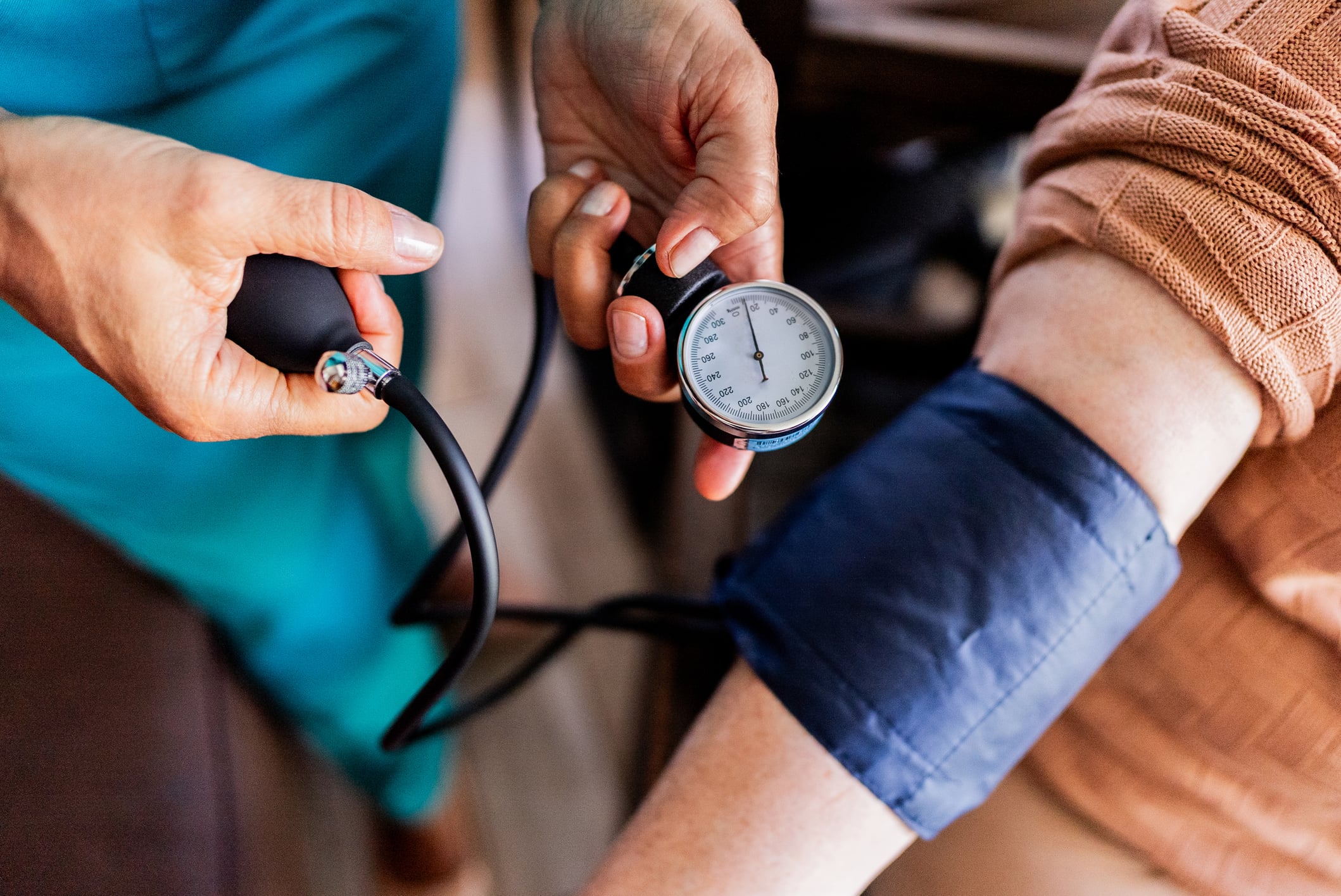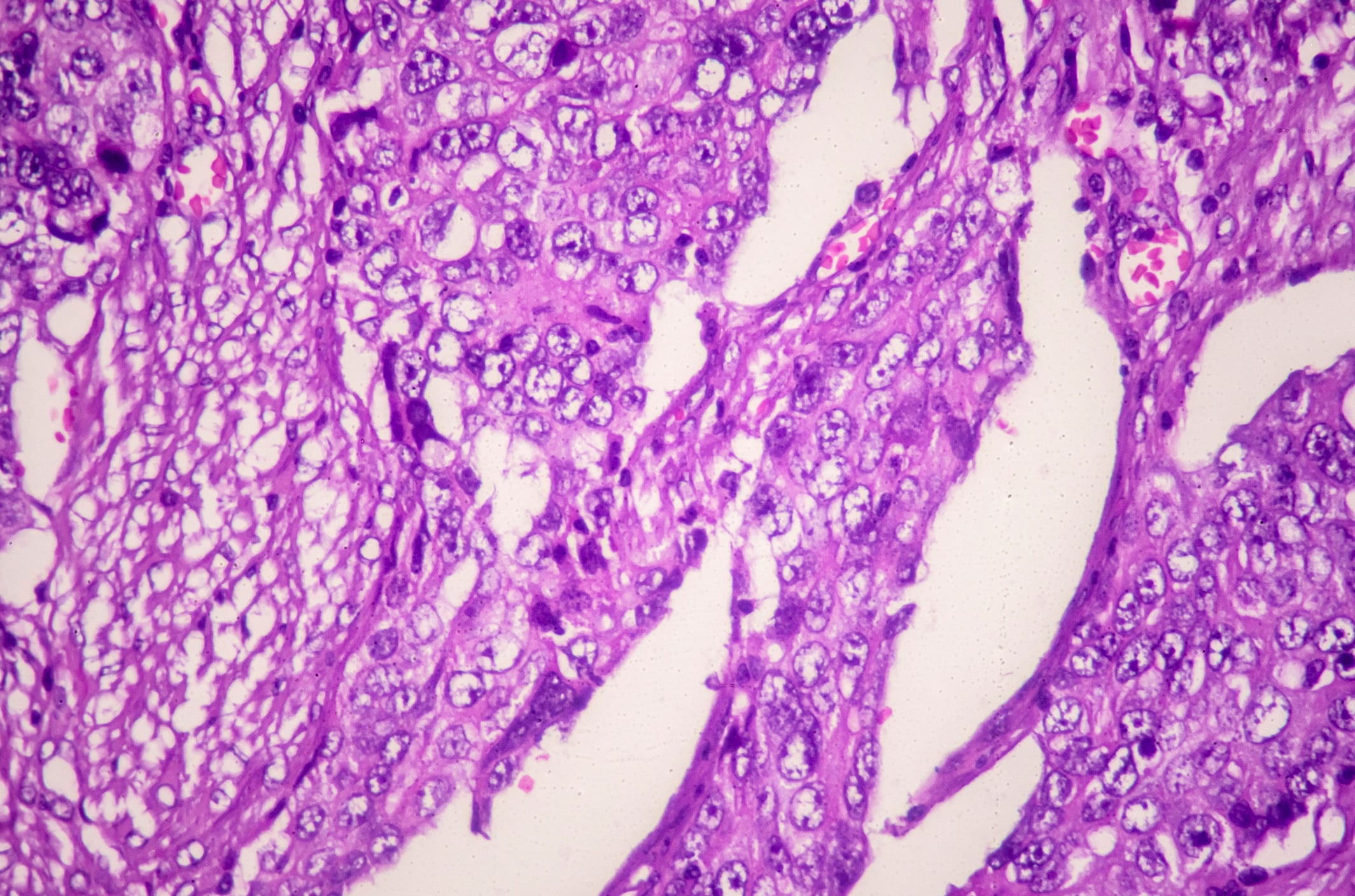
Cutaneous squamous cell carcinoma (cSCC) is currently the second most common type of skin cancer, and the number of cases continues to rise. While surgical resection alone is considered the gold standard for most low-risk tumors, individualized treatment approaches are necessary, particularly for high-risk patients. In terms of risk classification, there are newer approaches that expand upon internationally established classification systems—such as those of the AJCC, NCCN, and BWH by incorporating additional clinical, histological, and patient-related risk factors. This has the potential to have far-reaching implications for optimizing treatment strategies and follow-up care.
Autoren
- Mirjam Peter, M.Sc.
Publikation
- DERMATOLOGIE PRAXIS

Related Topics
You May Also Like
- SURPASS-CVOT
Tirzepatide versus Dulaglutide in T2D with ASCVD
- Secondary prevention after ACS: individually optimized lipid management
Trend towards early combination therapy and new strategies for lowering Lp(a)
- Pediatric Brain Tumors
Psychiatry versus Neuro-Oncology: Diagnostic Pitfalls
- What the latest studies on the entire EF spectrum mean for clinical practice
Heart Failure – The 2026 Evidence Update
- Acute ischemic stroke
Alteplase and Tenecteplase Are on the Same Level
- CKD in People with Type 2 Diabetes: Evidence-Based, Optimized Treatment
SGLT-2 inhibitors and GLP-1 receptor agonists: significant improvement in renal outcomes
- Wearables: screening via smartwatch?
New study on atrial fibrillation in high-risk patients
- Planning a Family, Pregnancy, and Breastfeeding