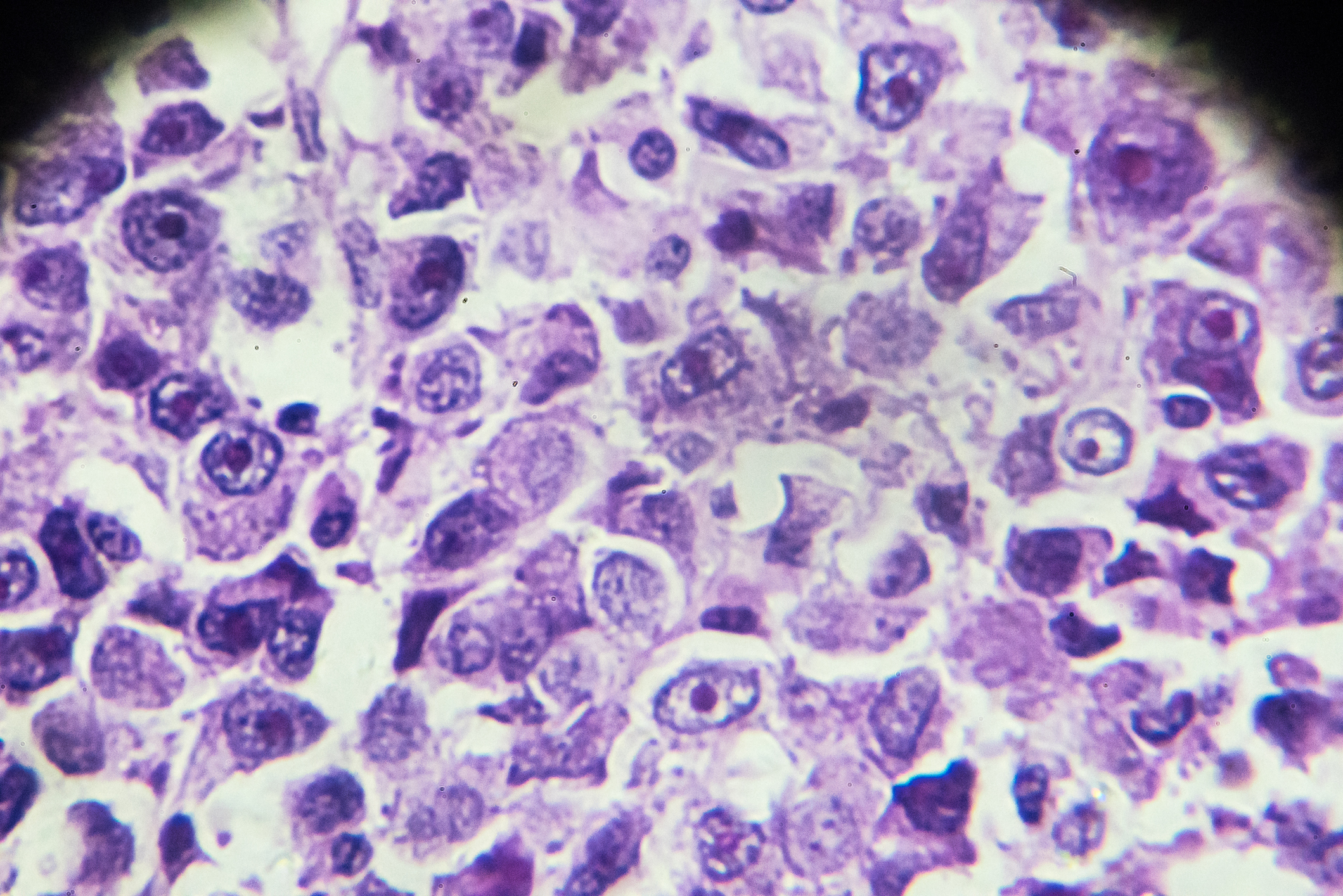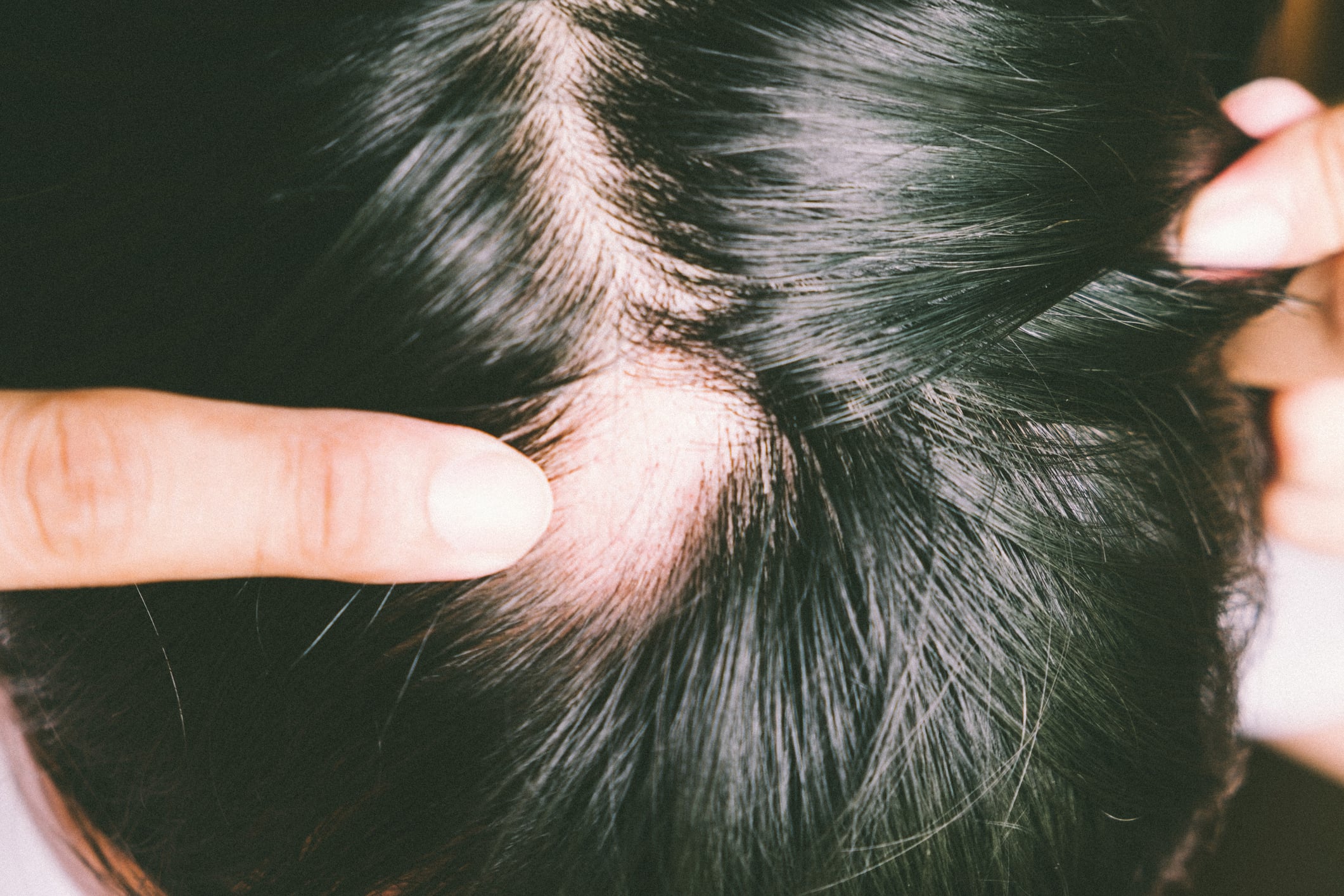
The severity of alopecia areata has significant implications for counseling and treatment planning; however, to ensure the best possible care, the patient’s age, the individual impact of hair loss, and other patient-specific factors must also be taken into account. The recently published new S3 guideline provides consensus-based, evidence-based recommendations for various clinical situations and patient subgroups. The recent approval of JAK inhibitors has significantly expanded the range of treatment options, but there have also been other developments.
Autoren
- Mirjam Peter, M.Sc.
Publikation
- DERMATOLOGIE PRAXIS
Related Topics
You May Also Like
- Alopecia areata in children, adolescents, and adults
New Guideline Classifies the Evidence Base for Topical and Systemic Therapies
- Cardiology and Nutrition
Ultra-Processed Foods and Cardiovascular Risk—The New AHA Position
- Actinic keratoses
Targeted Treatment of Multiple AK Lesions—Balancing Efficacy and Convenience
- Obesity: A Multimodal and Interdisciplinary Approach
New Swiss Clinical Practice Guideline Provides Guidance
- cSCC: Personalizing Treatment Strategies and Follow-up Care Plans
Comprehensive risk stratification is no simple matter: what’s new?
- Baxdrostat – a new class of drugs for treating difficult-to-control hypertension
First Aldosterone Synthase Inhibitor Is Here
- Geriatric Small-Cell Lung Cancer
Therapeutic Challenges
- Chronic Pruritus in Renal, Hepatic, and Biliary Tract Diseases