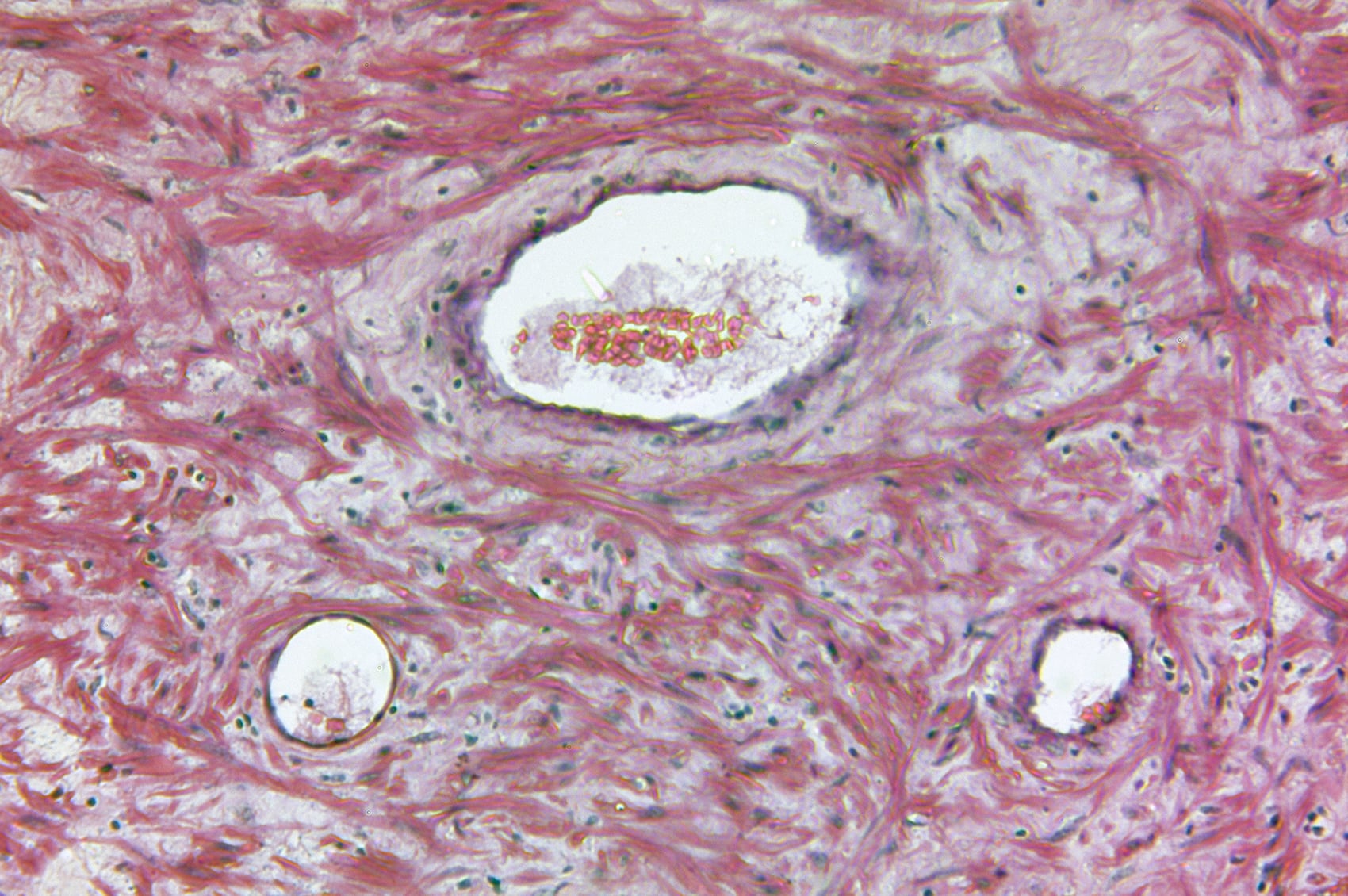
Androgen deprivation therapy (ADT) remains a cornerstone of prostate cancer treatment. It slows tumor growth but also triggers complex intracellular and metabolic response pathways. These tumor adaptations, which significantly influence the course of the disease, open up new possibilities for personalized treatment approaches.
Autoren
- Dr. oec. Odile Schwarz-Herion
Publikation
- InFo ONKOLOGIE & HÄMATOLOGIE

Related Topics
- Androgen-deprivation therapy (ADT)
- AR Damage Resistance
- AR Signaling Pathway in Prostate Cancer
- Beta Blockers and Prostate Cancer
- Effect of Beta Blockers on Response to ADT
- Effect of Green Tea Catechins on the AR Signaling Pathway and Metabolic Reprogramming
- Green Tea Catechins and Prostate Cancer
- Hypoxia miR-135b 5p
- Hypoxia-Induced miR-135b-5p-Mediated Neuroendocrine Transdifferentiation
- Hypoxia-Induced Tumor Programs
- Integration of Adaptive Tumor Programs into Treatment Decisions by Swiss Tumor Boards
- Integrative Pathology of Prostate Cancer
- Interdisciplinary Tumor Boards in Switzerland, ADT, Resistance Mechanisms, Prostate Cancer
- intracellular androgen synthesis
- Intracellular androgen synthesis as a resistance mechanism and vitamin D-dependent modulation
- Intracrine activity during ADT
- Liquid Biopsies for the Early Detection of Intracrine and Neuroendocrine Tumor Programs
- Liquid Biopsy for Prostate Cancer
- Liquid Biopsy for Resistance Detection
- Metabolic Reprogramming of Prostate Cancer
- metabolic tumor adaptation
- Molecular Tests for Prostate Cancer
- mpMRI and PSMA PET for Risk Stratification
- mpMRI for Prostate Cancer
- Multimodal diagnostics for assessing adaptive tumor activity
- Neuroendocrine Differentiation in Prostate Cancer
- Neuroendocrine transdifferentiation in prostate cancer
- Plant-Based Modulators: ADT Effect
- Platinum-based therapy for AR-independent tumors
- Platinum-based therapy for prostate cancer
- Preclinical inhibition of the SREBP axis by xanthohumol
- prostate cancer
- Prostate Cancer Care in Switzerland: Intracrine and Metabolic Tumor Adaptation Under Androgen Deprivation in Prostate Cancer
- Prostate Cancer in Switzerland
- PSMA PET Diagnostics
- Resistance Mechanisms in ADT
- SREBP Axis and Lipid Metabolism
- SREBP-Regulated Lipid Biosynthesis as a Therapeutic Target
- SREBP, Lipid Biosynthesis, Prostate Cancer
- The Importance of mpMRI and PSMA PET for Resistance Stratification
- The YAP1-NPM1-MYC axis as a driver of proliferative and AR-independent programs
- Use of platinum-based therapies for neuroendocrine and AR-independent tumor components
- Vitamin D Modulation of Intracrine Androgens
- Vitamin D-dependent intracellular modulation
- Xanthohumol and Prostate Cancer
- YAP1-NPM1-MYC axis
- YAP1, NPM1, and MYC Signaling Network
You May Also Like
- Peristomal skin health
Focus on preventive care options
- Case study
Discoid Lupus Erythematosus in a 38-Year-Old Woman
- Hand and Finger Injuries
Preventing Permanent Functional Limitations
- From an antidiabetic drug to a distinct class of cardiorenal therapies
The Incretin Revolution in Cardiology
- Prostate Cancer
Intracrine and Metabolic Tumor Adaptation Under Androgen Deprivation
- Alopecia areata in children, adolescents, and adults
New Guideline Classifies the Evidence Base for Topical and Systemic Therapies
- Cardiology and Nutrition
Ultra-Processed Foods and Cardiovascular Risk—The New AHA Position
- Actinic keratoses