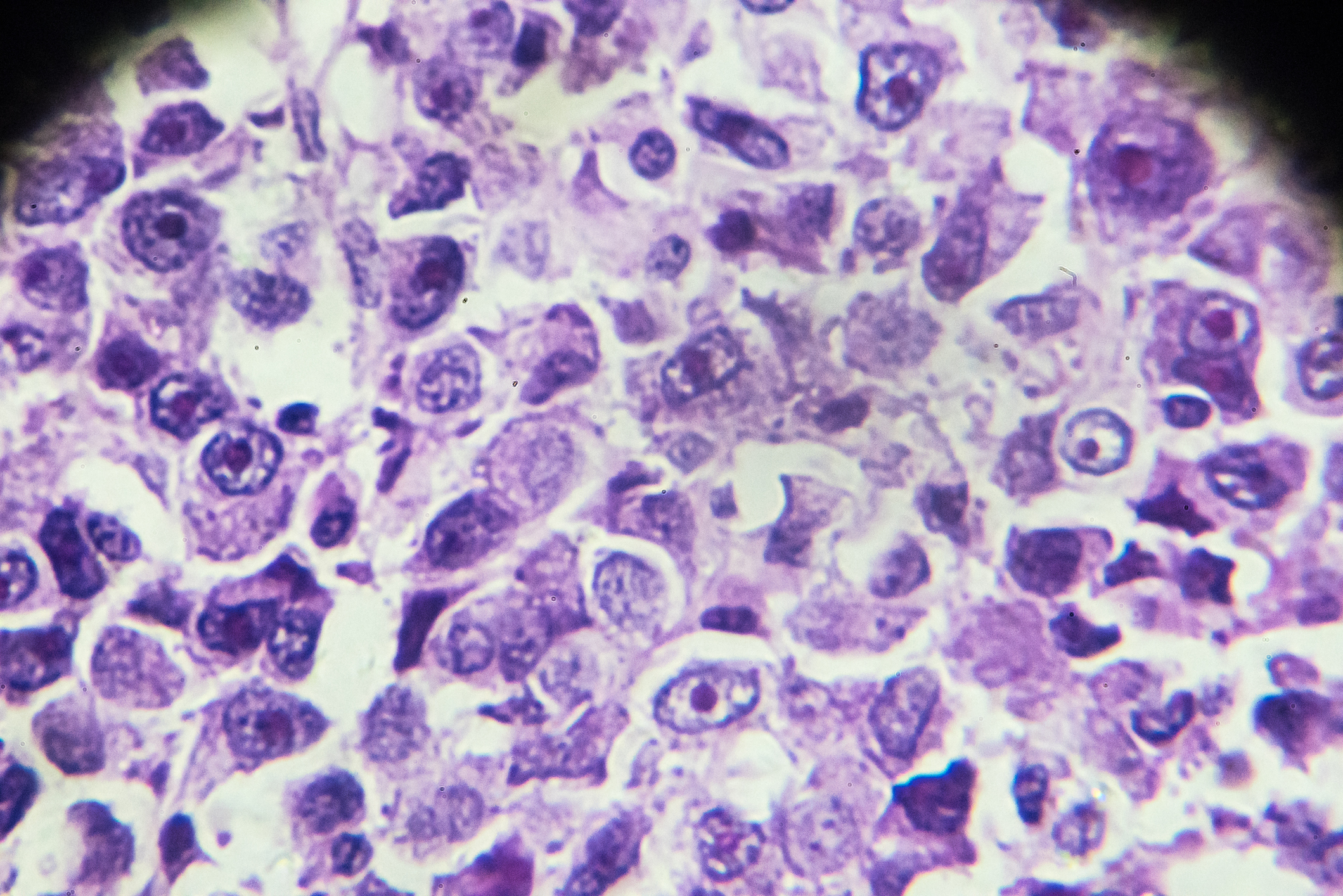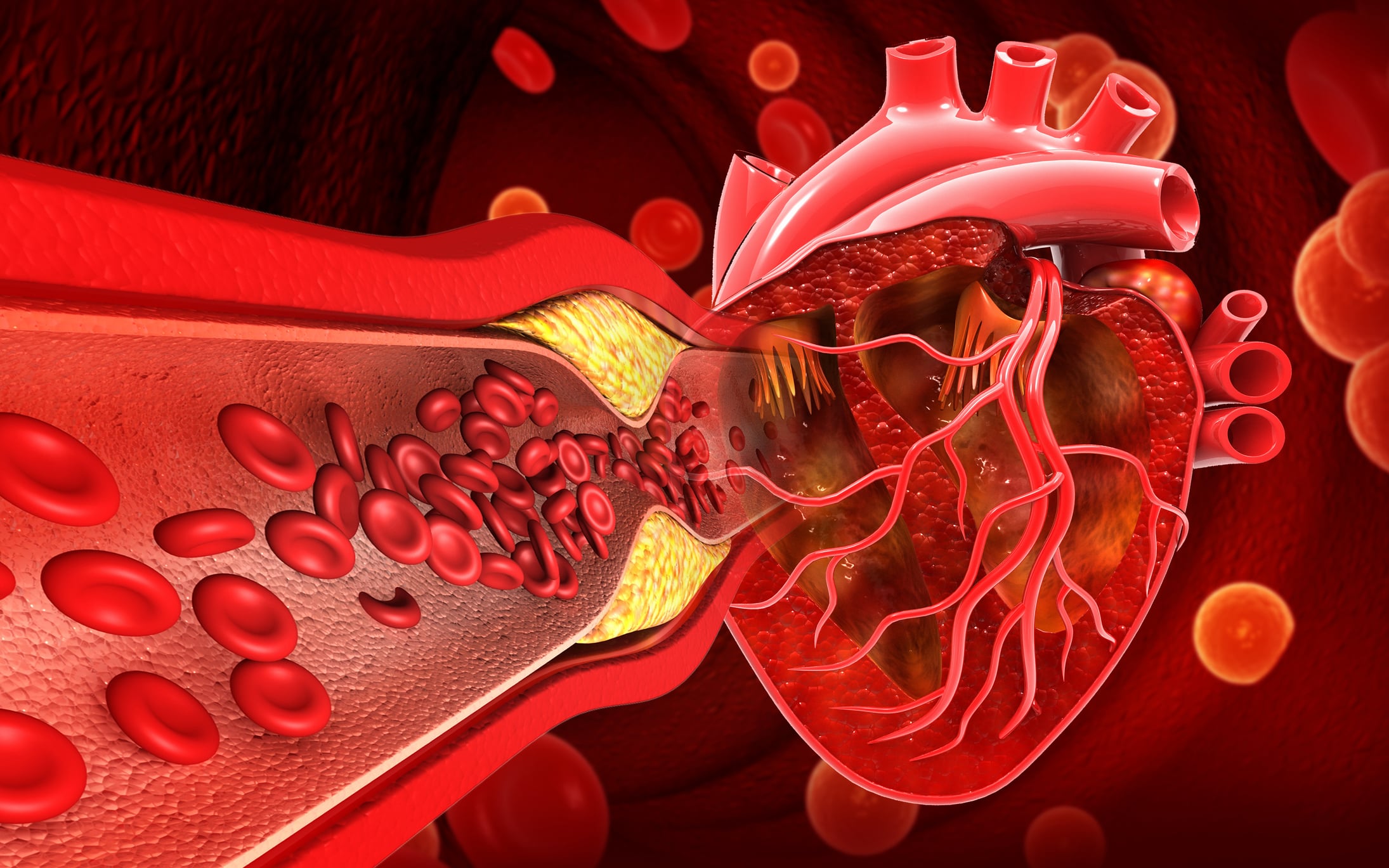
For decades, cardiovascular prevention was essentially a story about cholesterol. Yet a significant proportion of patients experience adverse events despite optimally controlled lipid levels—a reflection of a residual risk that is increasingly attributed to inflammation. The ORFAN study visualizes coronary inflammation on CT scans, IL-6 and high-sensitivity CRP (hsCRP) have proven to be powerful prognostic markers, and Paul Ridker’s concept of “SMuRF-less but inflamed” patients demonstrates that inflammation poses a risk even in the absence of classic risk factors. From detection, the path leads to intervention—with colchicine as the first approved anti-inflammatory agent and targeted cytokine blockade on the horizon.
Publikation
- CARDIOVASC