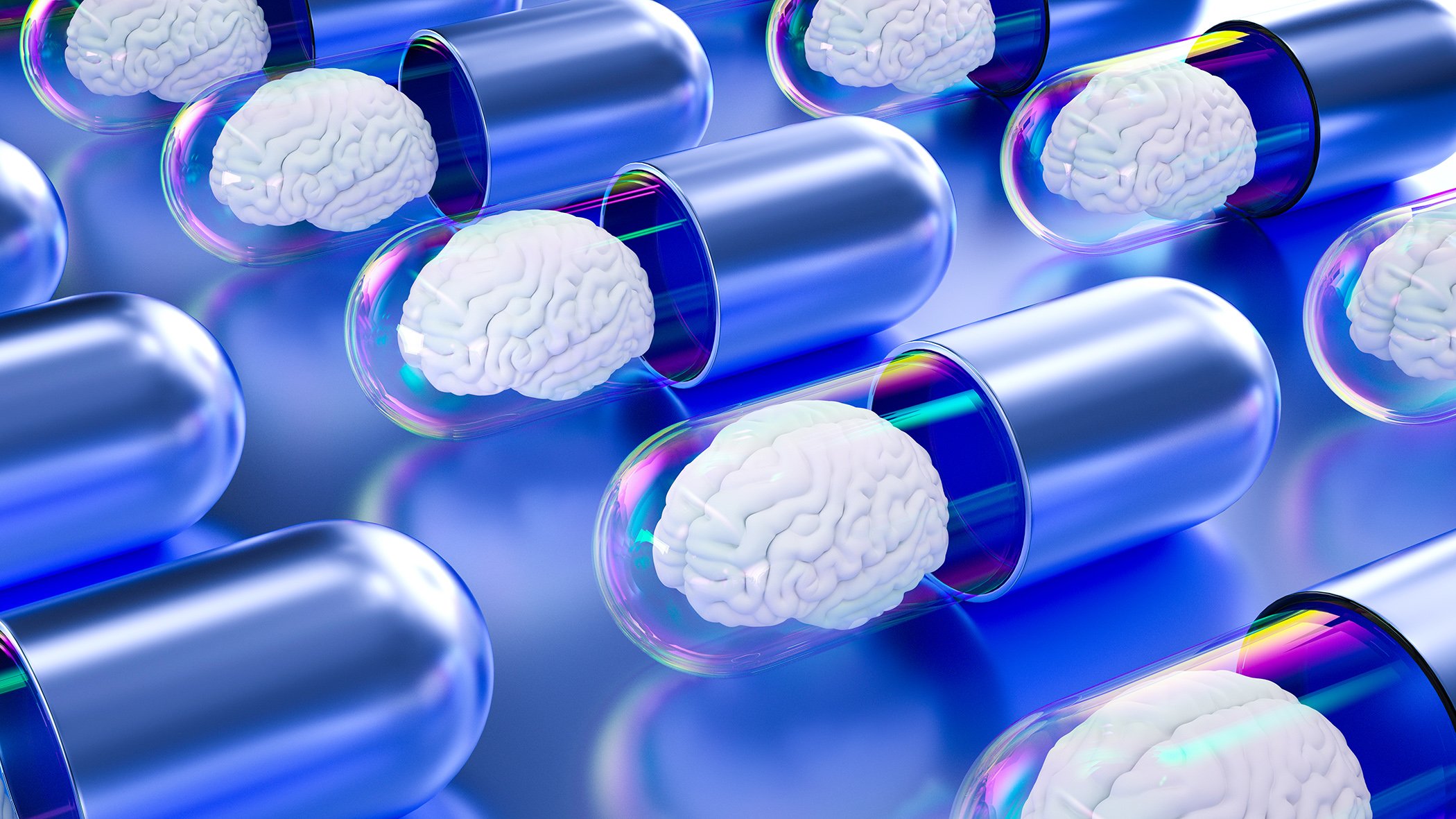
What neuroenhancement really improves – and what only works subjectively better. Those who use cognitive performance-enhancing substances particularly frequently. Between Ritalin, Modafinil and coffee, the line between therapy and optimization is blurred. The article classifies prevalences, motivations and risks, explains the mechanisms of action of the most important substance classes and shows why the benefits are often overestimated, with practical tips for medical education in everyday life.
Autoren
- Dr. Ulf Blanke
Publikation
- InFo NEUROLOGIE & PSYCHIATRIE

Related Topics
You May Also Like
- Autoimmune Liver Diseases
Innovative Treatment Approaches for PBC, PSC, and AIH: What’s New?
- Myelofibrosis
Mutations and Molecular Diagnostics in Treatment Decisions
- Psoriasis in the Age of Precision Medicine
Systemic Therapy for Patients with Comorbidities: What Is the Best Choice?
- The AMALFI study and the limits of digital screening for atrial fibrillation
Remote monitoring for atrial fibrillation: lots of detection, little stroke prevention?
- MASH
Pharmacotherapies as “Game Changers”—What Are the Upcoming Challenges?
- Obesity Treatment
Oral GLP-1 Therapies: ATTAIN-1 and OASIS-4—The Next Leap Forward
- Older patients with atopic dermatitis
Why the Use of Biologics Is Recommended
- Disorders of the Gut-Brain Interaction