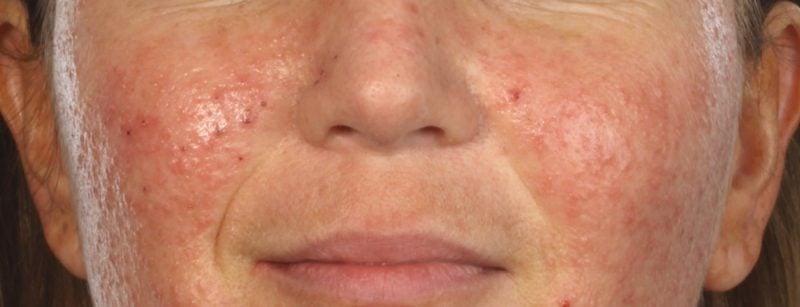
This content is machine translated Newer treatment options for rosacea Therapy depends on the subtype and severity of rosacea In general, triggering factors should be avoided in all subtypes of rosacea. Metronidazole, azelaic acid (Germany), and brimonidine are approved for local therapy, and doxycycline in subantimicrobial doses (40 mg/d) is…
View Post 7 min This content is machine translated Dizziness Meniere’s disease – clarification and therapy options The diagnosis of Meniere’s disease is based on history, audiometry, and instrumental vestibular function tests. Treatment should be provided by an experienced ENT specialist. A variety of therapeutic options exist,…
View Post 9 min This content is machine translated Palliative Care Mentally ill at the end of life In a more somatically oriented general palliative care, mental illnesses are often perceived only as “side effects” and thus remain unrecognized. However, psychopharmacological interventions or psychotherapeutic processes can only be…
View Post 7 min This content is machine translated Intensive care treatment of traumatic brain injury Severe SHT – An interdisciplinary challenge In the treatment of severe traumatic brain injury, there is much literature and little evidence. Strict adherence to a treatment protocol leads to better outcome; moreover, treatment should be provided…
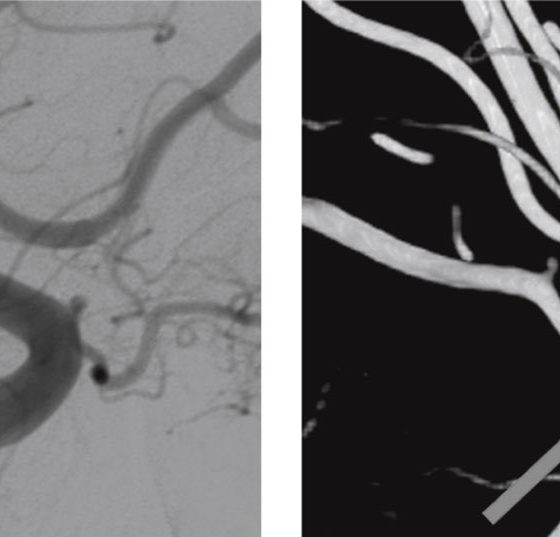
View Post 9 min Unruptured intracranial aneurysms To treat or to follow? Despite progress in the understanding of risk factors for aneurysm rupture, the decision whether or not to treat an unruptured intracranial aneurysm (UIA) should be treated remains a challenge. A…
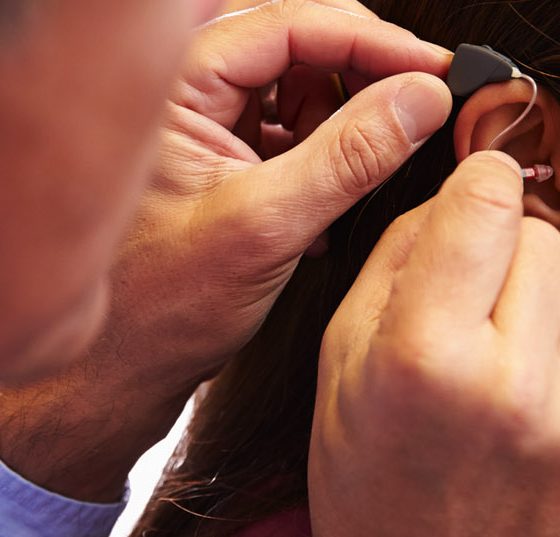
View Post 10 min This content is machine translated Measures for hearing loss Hearing aids, hearing amplifiers – which patient needs what? Hearing loss often goes unnoticed or uncompensated for a long time, but affects the lives of those affected in many ways. It is useful to systematically include questions about hearing…
View Post 8 min This content is machine translated Update burn treatment Which patients to treat yourself and which to send on? To assess the severity of the burn/scald, one needs an estimate of the area extent and depth of the burn after debridement. The degree of burn is determined by the…
View Post 8 min This content is machine translated Specific immunotherapy When, whom and how to treat? If neither exposure prophylaxis nor symptom-oriented medication can provide sufficient relief of allergic symptoms, specific immunotherapy (SIT) is indicated. A distinction is made between subcutaneous and sublingual SIT. Contraindications must…
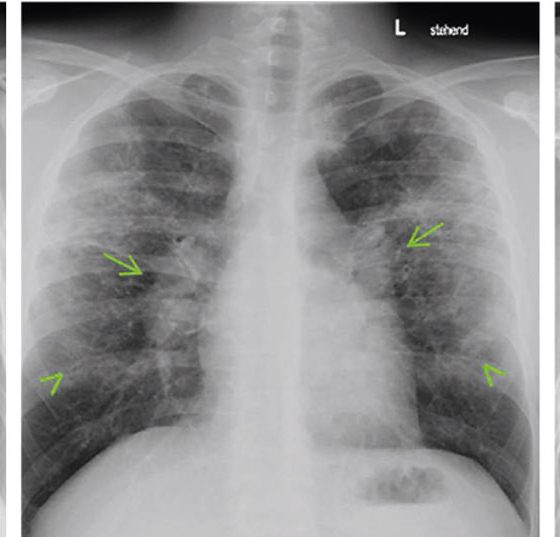
View Post 12 min This content is machine translated Non-necrotizing granulomas Diagnosis and therapy of sarcoidosis Sarcoidosis is a multisystemic granulomatous disease of as yet unclear etiology. The diagnosis of sarcoidosis is based on the typical clinical presentation and histologic evidence of non-necrotizing epithelioid cell granulomas,…
View Post 7 min This content is machine translated Pulmonary emphysema When is interventional therapy indicated? Often, even “out of treatment” emphysema patients can be offered improvement in dyspnea and exercise capacity through a lung volume reducing procedure. The postinterventional beneficial effects after surgical or bronchoscopic…
View Post 8 min This content is machine translated Thymomas and thymic carcinomas Thymus tumors – diagnostics and therapy Thymic tumors are rare and belong to the so-called “orphan malignancies”. The annual incidence is approximately 0.15 per 100,000 persons. The latest classification distinguishes three major groups: Thymomas, thymic carcinomas…