This content is machine translated Migraine: better quality of life thanks to multimodal care Broader selection of innovative migraine prophylactics and acute therapies The fact that migraine therapy is changing is also reflected in the recent publication of the updated S1 guideline “Treatment of migraine attacks and prophylaxis of migraine”. Although triptans are...…
View Post 3 min This content is machine translated Migraine Fremanezumab for comorbid migraine and depression Migraine and depression often reinforce each other and make treatment more difficult. The UNITE study shows that the CGRP antibody fremanezumab significantly reduces both migraine days and depressive symptoms –...…
View Post 6 min This content is machine translated Case study Moyamoya disease in a 23-year-old female patient Moyamoya disease is characterized by progressive narrowing of the internal carotid arteries and their branches. This can lead to ischemic and/or hemorrhagic disorders of the cerebral circulation. According to the...…
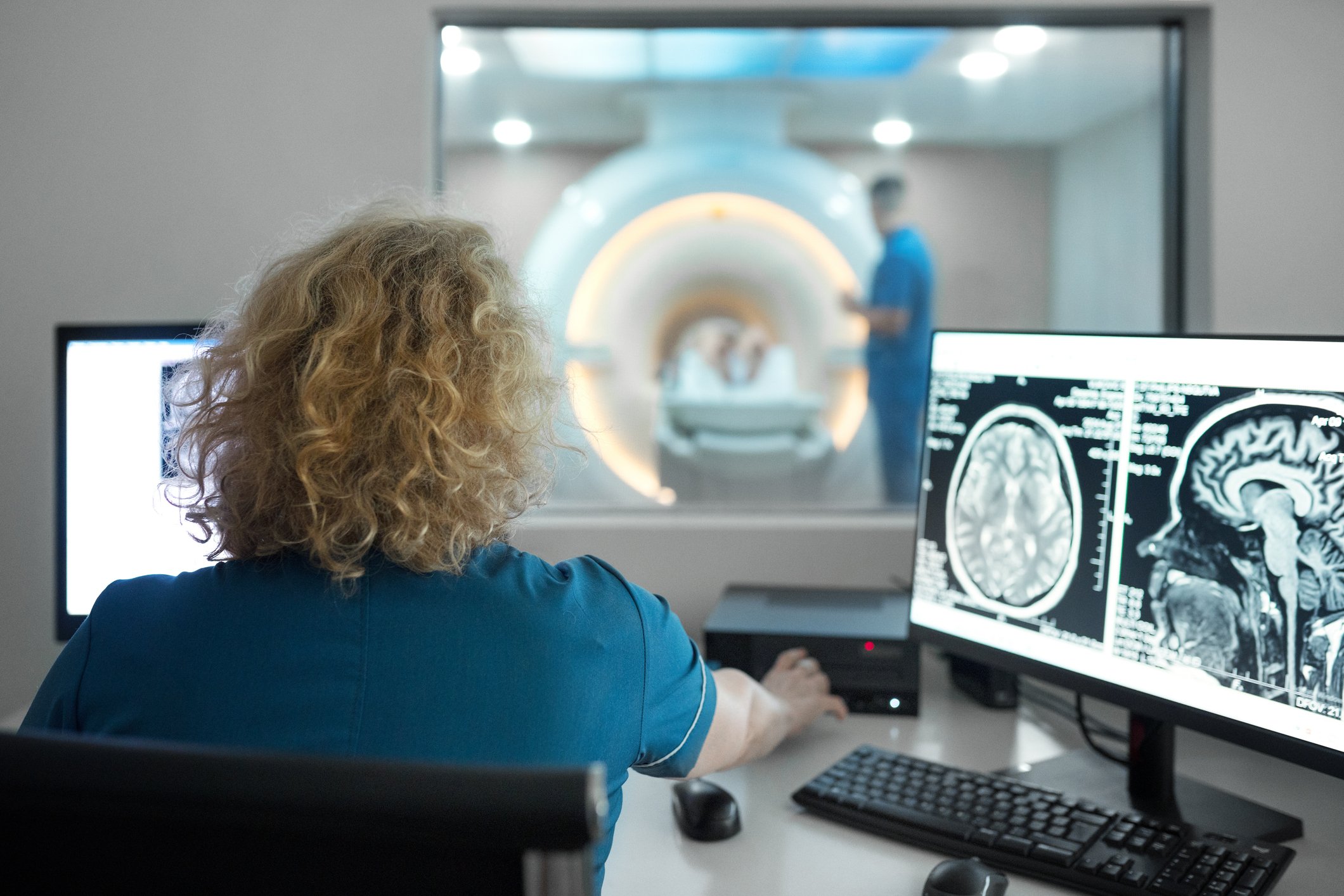
View Post 9 min This content is machine translated Parkinson's disease: progressive and clinically heterogeneous Individualized management of motor and non-motor symptoms Primary care providers are the central point of contact for the early detection of Parkinson’s disease, but collaboration with neurological specialists is essential. The diagnosis is still primarily made clinically....…
View Post 4 min This content is machine translated Dementia Delirium risks and treatment strategies Delirium is a common and serious neuropsychiatric disorder in elderly hospitalized patients. A large review shows: Numerous medications increase the risk of delirium, especially opioids, antipsychotics, benzodiazepines and certain antibiotics....…
View Post 7 min This content is machine translated From biomarkers to gene therapies Getting to know ataxias New developments in imaging, digital biomarkers and gene therapy are significantly changing the diagnosis and treatment of ataxia. Experts emphasize the clinically central distinction between sensitive and cerebellar ataxia, the...…
View Post 20 min This content is machine translated AI in neurology Control instead of a flood of data: AI makes big data and wearables usable Artificial intelligence has become a key technology in medicine, including in complex neurology. Modern methods such as machine learning and deep learning in combination with data and wearables (wearable sensor...… CME-Test
View Post 6 min This content is machine translated New ways of neuroregeneration CRISPR and artificial intelligence The combination of precise genome editing using CRISPR and AI-supported modeling of complex CNS damage marks a paradigm shift in neuroregeneration. Adaptive, closed therapy loops are designed to address multiple...…
View Post 5 min This content is machine translated Chronically active MS lesions New paradigm in the diagnosis and treatment of multiple sclerosis Focal chronic active lesions (CALs) play a key role in the increase in MS disability, which is due to smoldering neuroinflammation in the central nervous system. This inflammation, often behind...…
View Post 3 min This content is machine translated Sleep disorder Sleep medicine in transition: new goals and a reassessment of old hypnotics Sleep and circadian rhythm disorders (SCRDs) often occur as early comorbidities in neurodegenerative diseases such as Alzheimer’s disease (AD) and Parkinson’s disease (PD), often decades before typical symptoms appear. Sleep...…
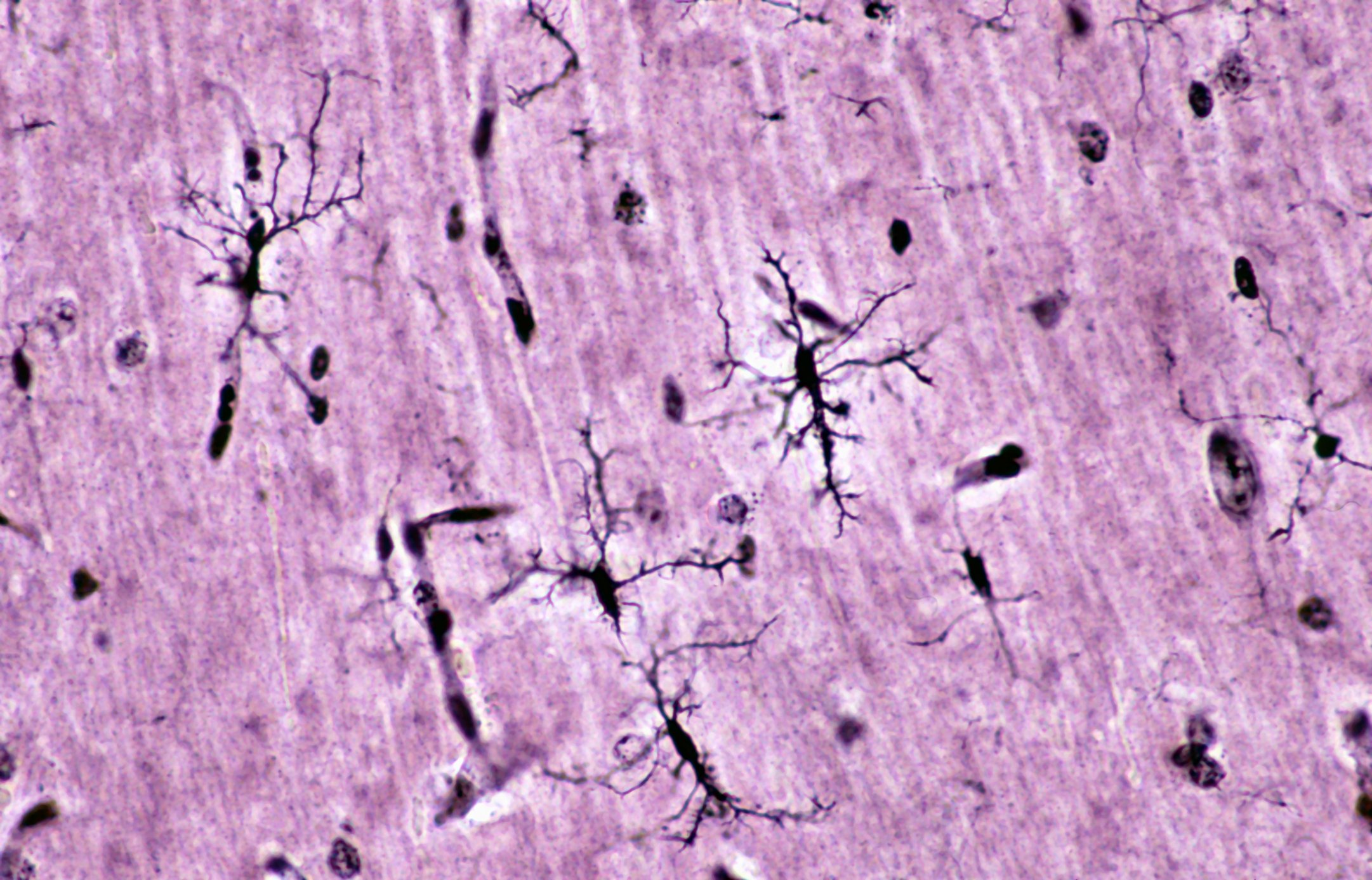
View Post 3 min This content is machine translated Ginkgo biloba extract in the Alzheimer's mouse model Effects on disease-associated microglia subpopulations During the progression of Alzheimer’s disease, microglial cells located in the vicinity of plaques become overactivated and release cytotoxic mediators such as TNFα. In an animal study published in 2025,...…