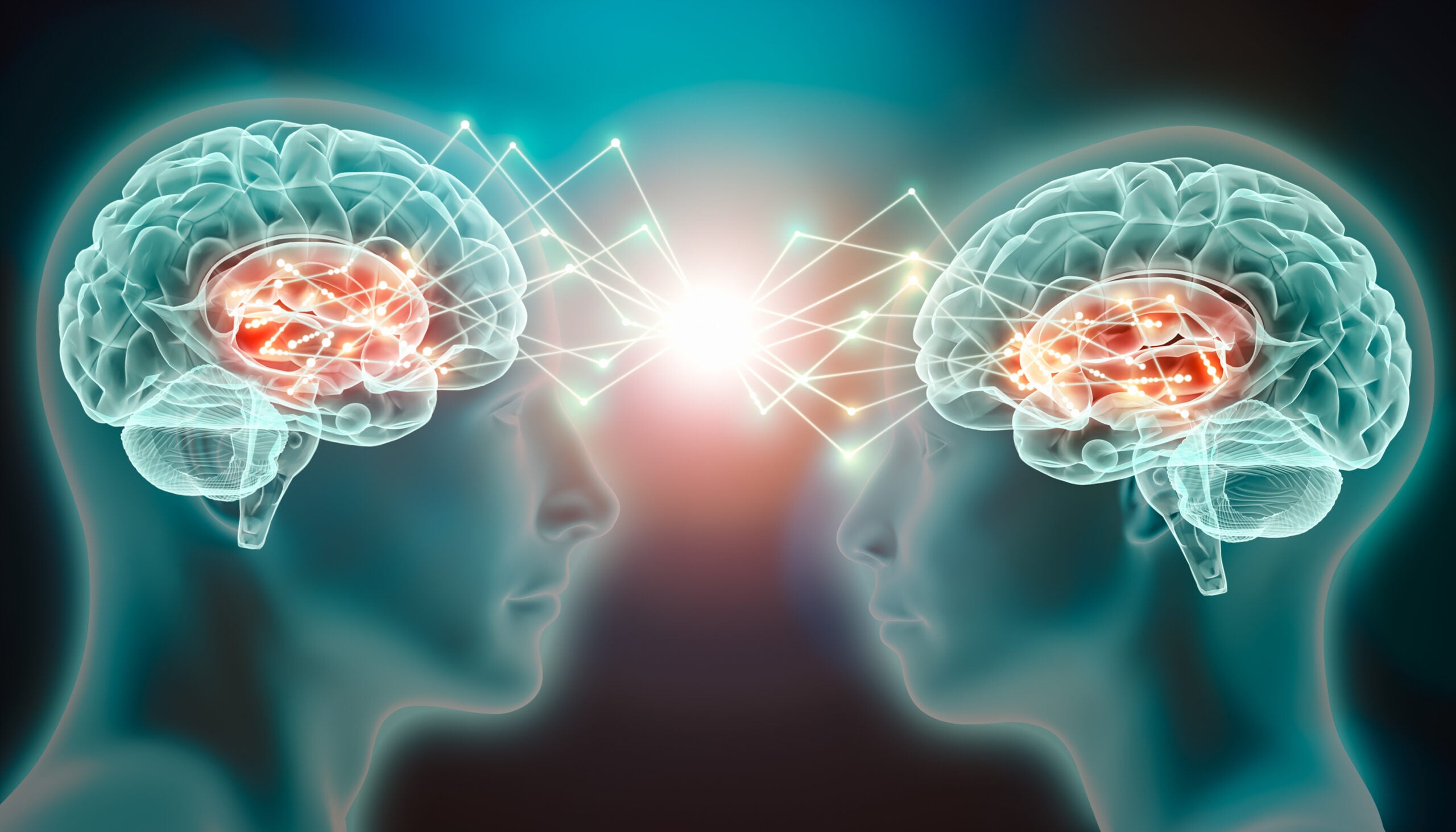
Sleep and circadian rhythm disorders (SCRDs) often occur as early comorbidities in neurodegenerative diseases such as Alzheimer’s disease (AD) and Parkinson’s disease (PD), often decades before typical symptoms appear. Sleep is central to brain health, as during slow-wave sleep (SWS) waste products such as amyloid beta (Aβ) and tau are removed via the glymphatic system. Pharmacological treatment of SCRDs must therefore be done carefully to avoid worsening the pathology.
Autoren
- Dr. Ulf Blanke
Publikation
- InFo NEUROLOGIE & PSYCHIATRIE

Related Topics
You May Also Like
- Psychedelic-assisted therapy
Current status of PAT
- Proteins in wound healing
Do special amino acids lead to success?
- Hepatitis B prophylaxis
Vaccination protection for healthcare staff with patient contact – an update
- Plastic surgery and reconstructive microsurgery for DFS
Functional limb preservation between infection control, vascular medicine and resurfacing
- Chronic urticaria: new treatment alternatives in sight
If antihistamines are not sufficient and IgE levels are low
- Adrenogenital syndrome
Clinical care from birth to adulthood
- Digital dermatology: innovative project examples
AI and eHealth tools in HS care
- Atopic dermatitis as a door opener for an atopic cascade?