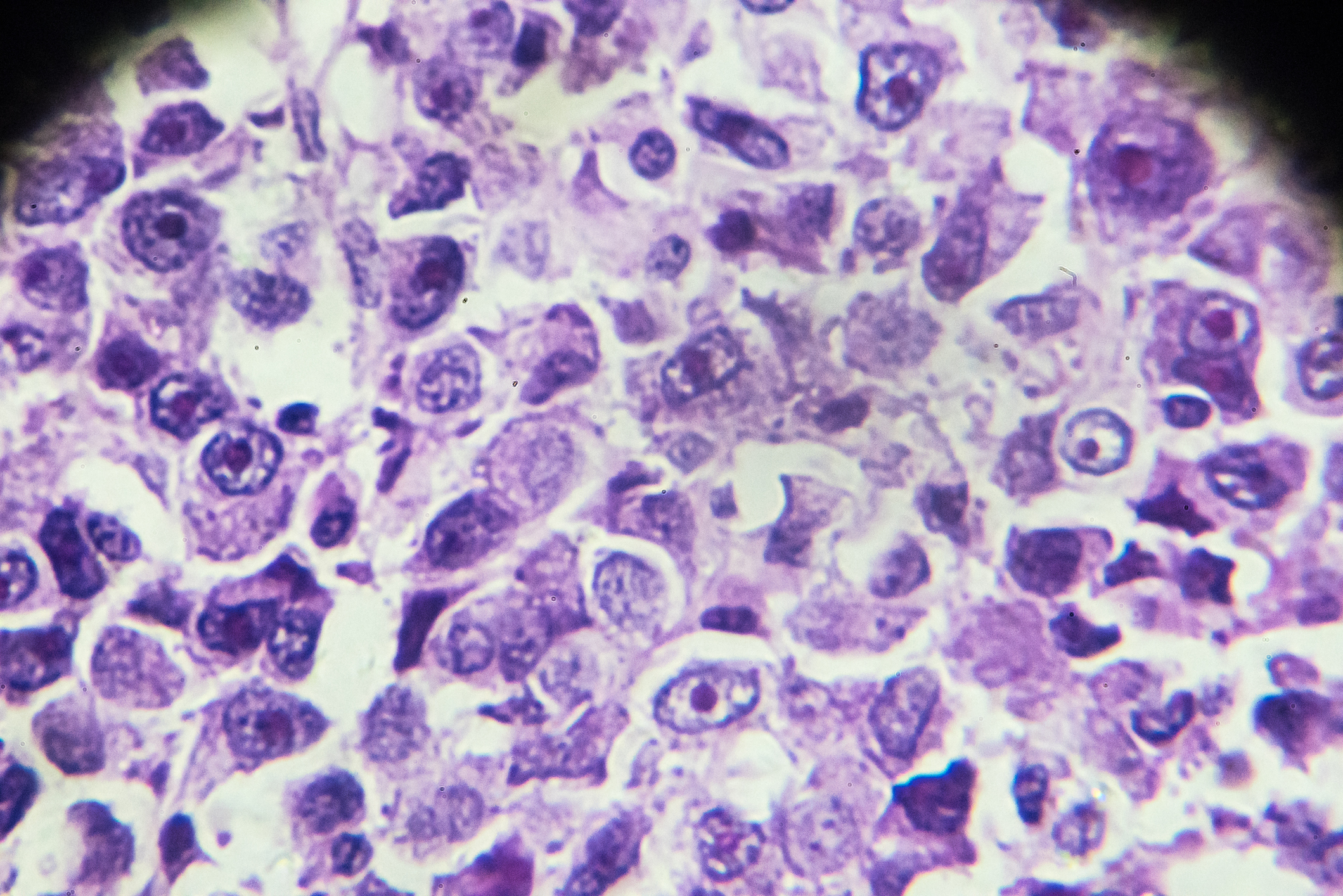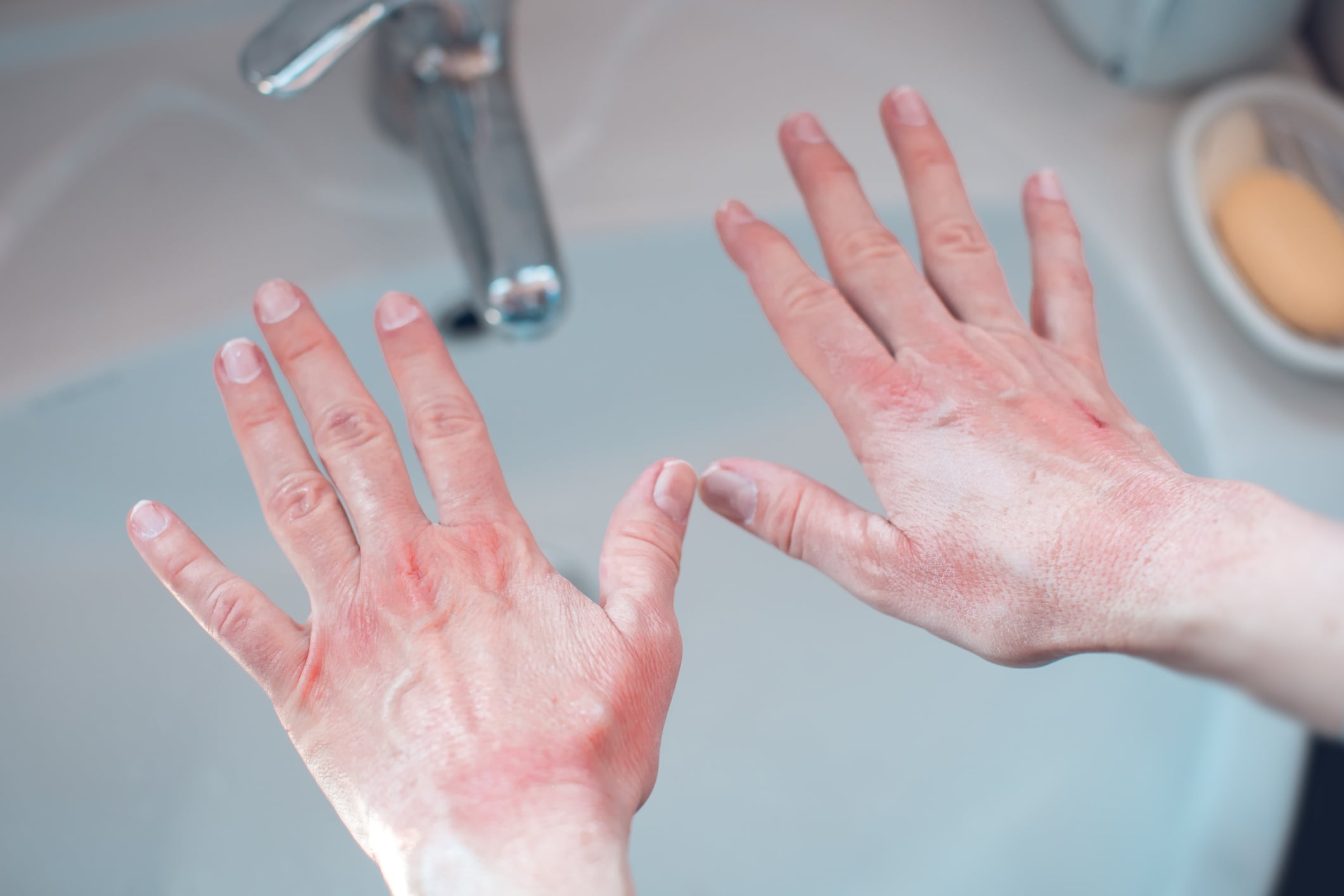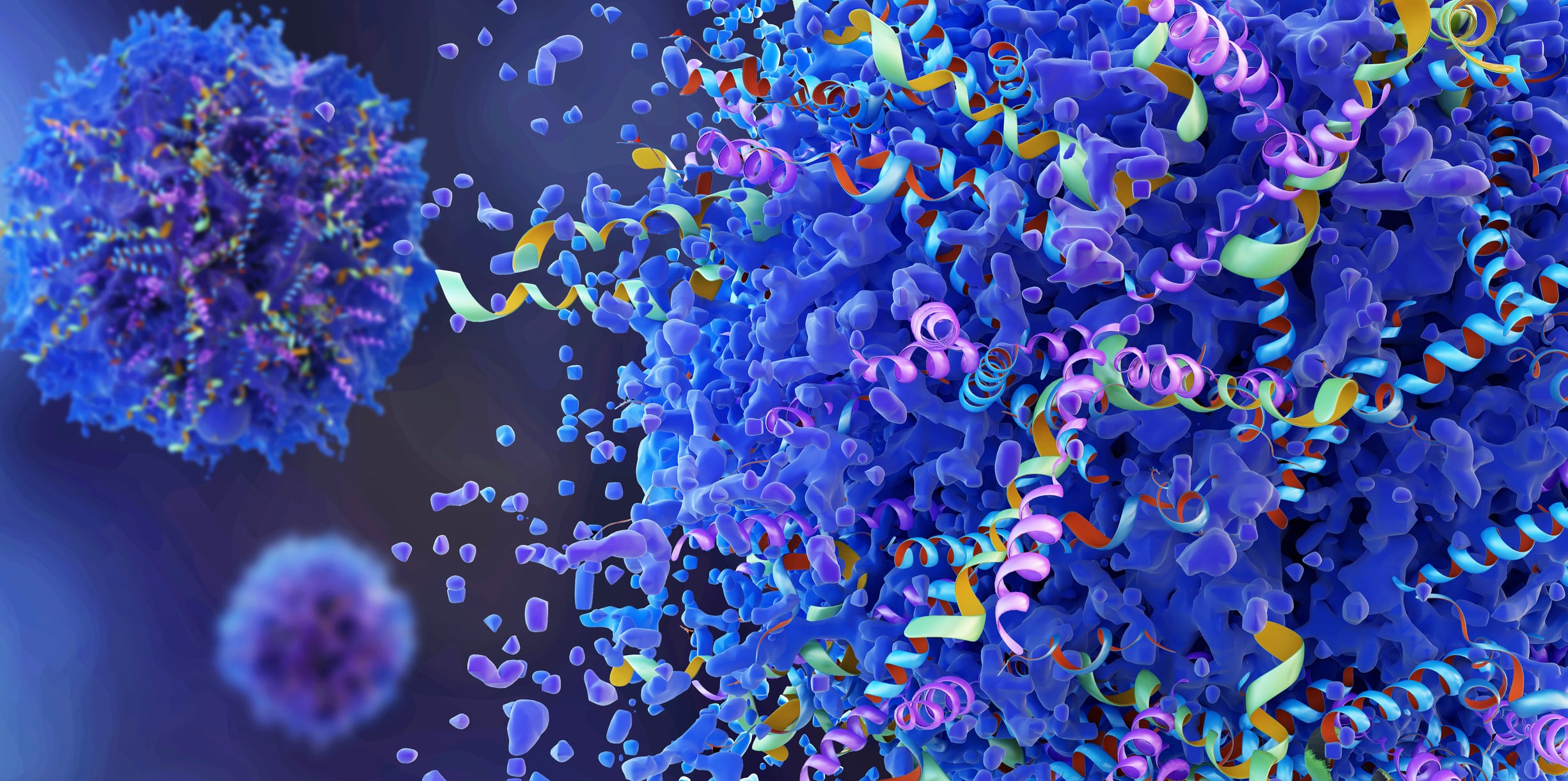
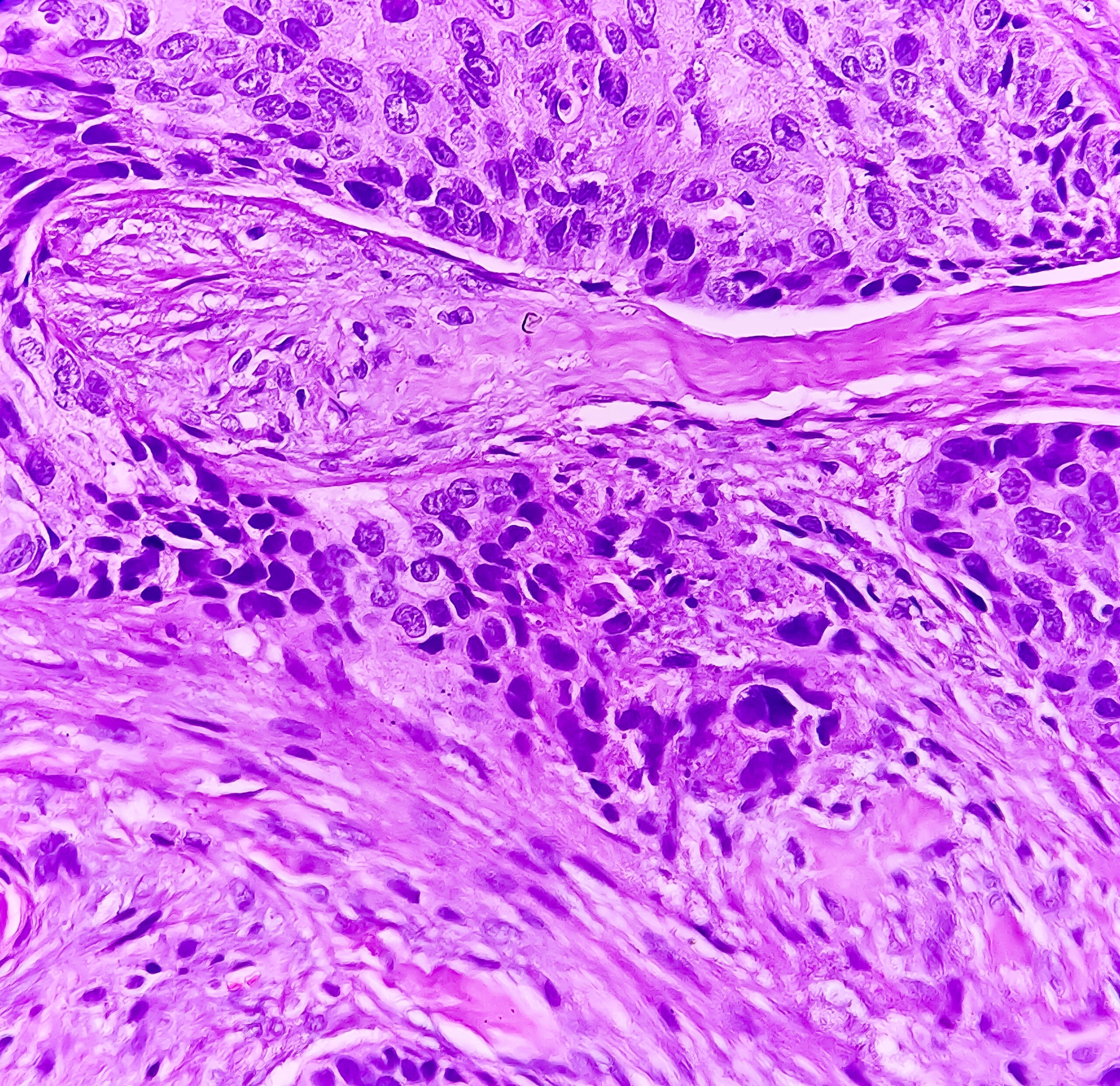
Wound healing is a complex process. Depending on which wound healing phase you are in, a wide variety of mediators are involved. A finely tuned combination of all basic nutrients (carbohydrates, proteins, fats), minerals, vitamins and trace elements is required as a basis for this. This shows the relevance of an adequate nutrient supply for wound healing.
Autoren
- Dr. med. Mirja-Katrin Modreker
Publikation
- HAUSARZT PRAXIS
Related Topics
You May Also Like
- Ischemic stroke: Are smaller or larger brain arteries affected?
Recent study findings on intravenous lysis therapy with fibrinolytic agents
- Interview
“On par with the gold standards for trauma”
- Psychology: Emotional Freedom Techniques (EFT)
Emotional Healing Through Tapping
- Systemic Lupus (SLE): What Does the Diagnosis and Treatment Toolbox Have to Offer?
Treat-to-Target – Consensus Recommendations for GC Tapering and the Use of DMARDs
- Psychedelic-assisted therapy
Current status of PAT
- Interstitial Lung Diseases
Update on Idiopathic Pulmonary Fibrosis
- Psoriasis and Obesity: Effects of Incretin-Based Therapies
Clinical trials shed light on the potential of semaglutide, liraglutide, and tirzepatide
- Eosinophils in the Blood in COPD