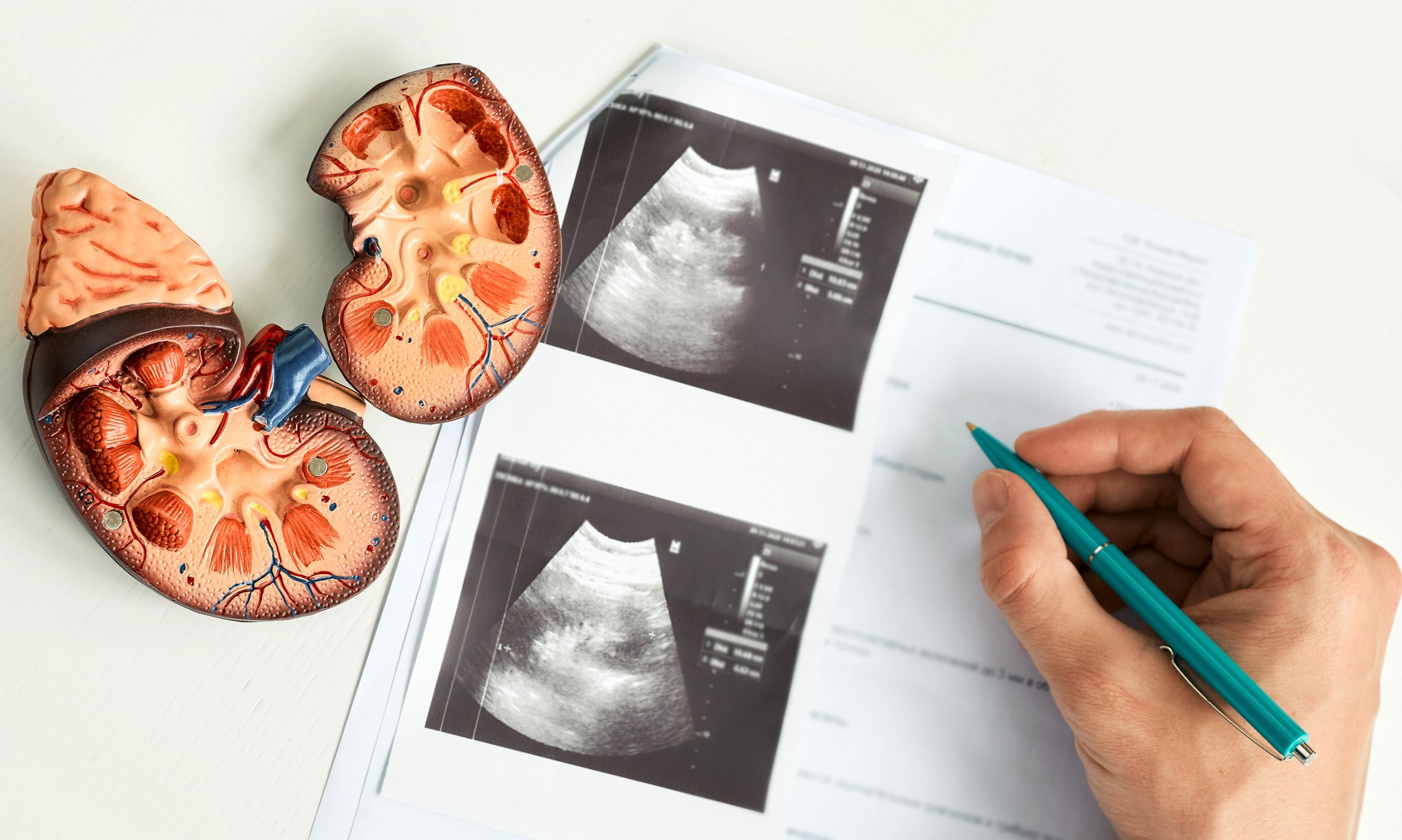
In a 5-year-old boy with renal ultrasound findings typical of autosomal recessive polycystic kidney disease (ARPKD), numerous large liver cysts were found – atypical for this disease. Genetic analyses revealed heterozygous missense mutations in the PKHD1 gene. Mutations in genes underlying polycystic liver disease could be excluded. In summary, comprehensive genetic analyses are crucial for the case-related clarification of polycystic kidney disease.
Autoren
- Mirjam Peter, M.Sc.
Publikation
- HAUSARZT PRAXIS

Related Topics
You May Also Like
- Case study
Autosomal recessive polycystic kidney disease: atypical phenotype
- Current evidence, risk classes and new counseling options
Hormonal contraception and cardiovascular risk
- Acute otitis media: self-limiting course vs. "red flags"
In which cases are antibiotics necessary?
- Prurigo nodularis: evidence-based treatment
Targeted therapy options on the rise
- MACE risk, heart failure incidence and all-cause mortality
Metabolic syndrome as a cardiovascular risk factor
- Glaucoma in old age: slowing down progression
IOP lowering is currently the only evidence-based treatment
- Vector-borne infections with skin manifestations
Arboviruses and leishmaniasis in Europe
- Multimorbidity and functional capacity in old age