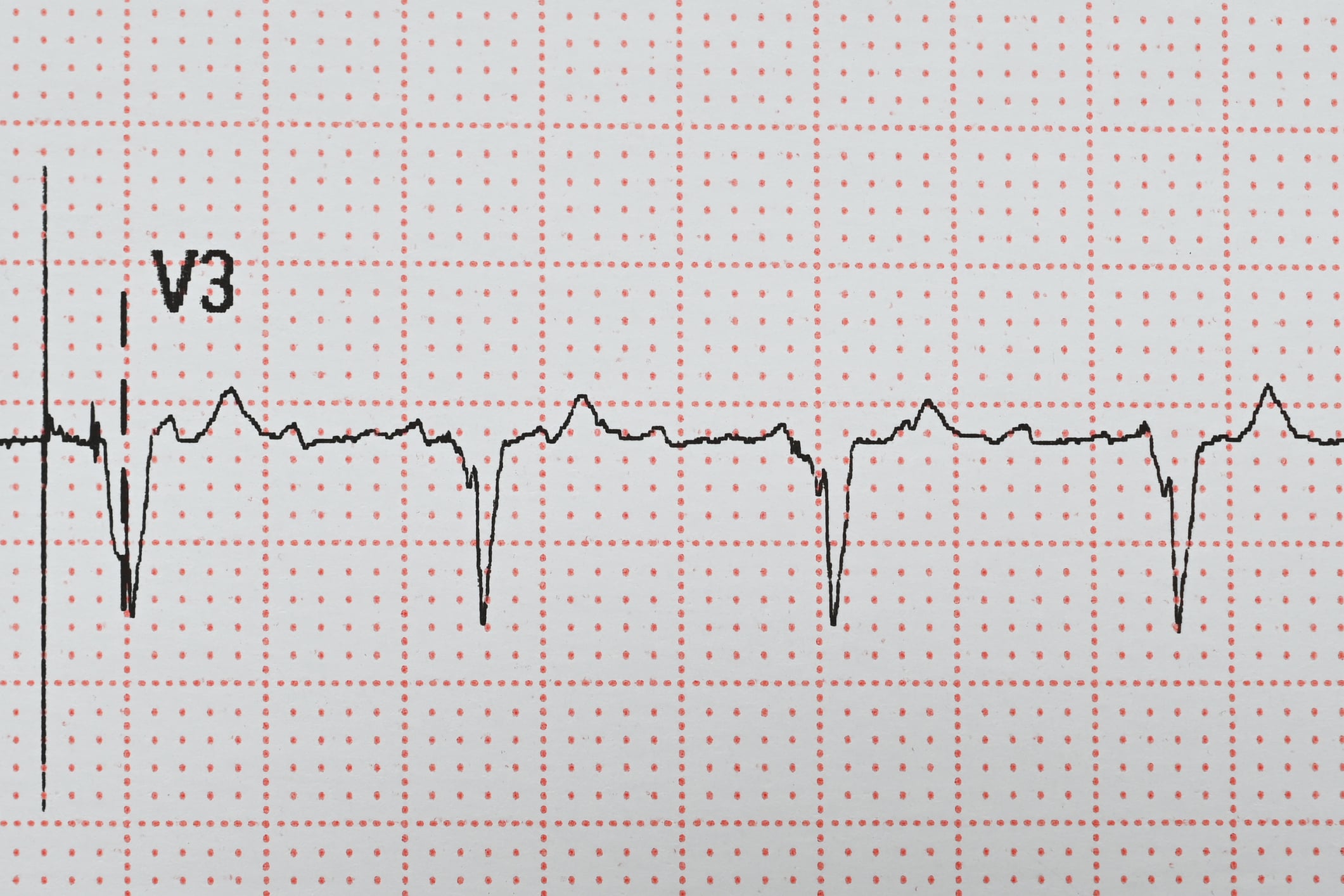
Atrial fibrillation (AF) is often asymptomatic, increases stroke risk and can be treated with anticoagulation – so the logic of screening seems compelling. New patches, loop recorders and smartwatches promise to detect hidden fibrillation before the first stroke occurs. However, the randomized AMALFI study presented at ESC Congress 2025 joins a series of high-quality investigations showing a sobering pattern: more technology detects more atrial fibrillation – but with hardly any reduction in strokes. This article places AMALFI in the context of the evidence and asks why the gap between detection and clinical benefit is so persistent.
You May Also Like
- The AMALFI study and the limits of digital screening for atrial fibrillation
Remote monitoring for atrial fibrillation: lots of detection, little stroke prevention?
- MASH
Pharmacotherapies as “Game Changers”—What Are the Upcoming Challenges?
- Obesity Treatment
Oral GLP-1 Therapies: ATTAIN-1 and OASIS-4—The Next Leap Forward
- Older patients with atopic dermatitis
Why the Use of Biologics Is Recommended
- Disorders of the Gut-Brain Interaction
Peppermint-Caraway Oil Supplement Proves Effective in Phase IV Trial
- Gepante for Migraines
Relief from pain, symptoms, and improved functional ability—both acute and preventive
- Why the Finerenon Boom Is Giving Hyperkalemia Treatment New Relevance
Potassium binders as enablers of RAASi optimization
- Asthma in Adults: Bronchodilation and Anti-Inflammatory Therapy