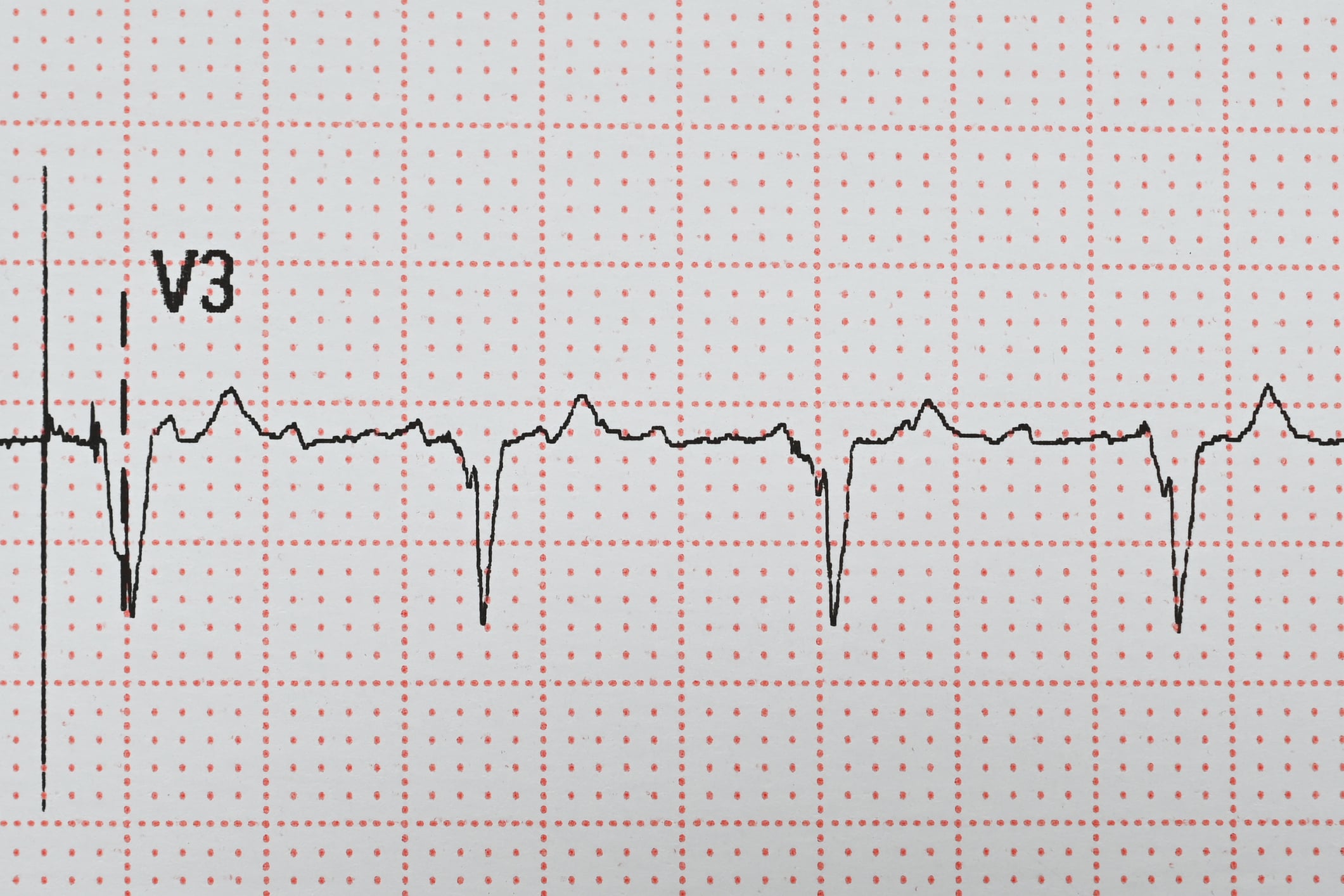
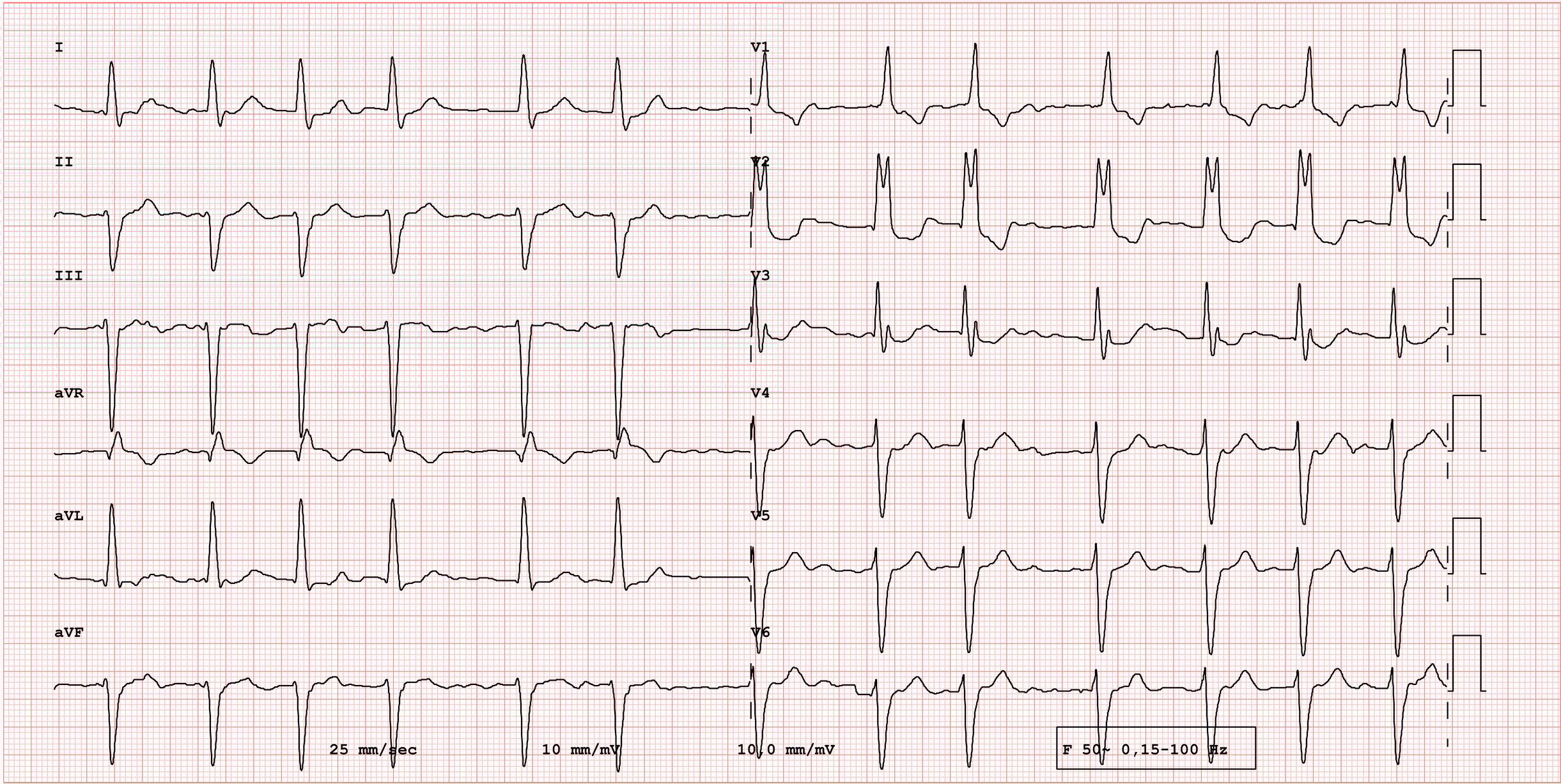
This content is machine translated The AMALFI study and the limits of digital screening for atrial fibrillation Remote monitoring for atrial fibrillation: lots of detection, little stroke prevention? Atrial fibrillation (AF) is often asymptomatic, increases stroke risk and can be treated with anticoagulation – so the logic of screening seems compelling. New patches, loop recorders and smartwatches promise...…
View Post 2 min This content is machine translated Wearables: screening via smartwatch? New study on atrial fibrillation in high-risk patients Wearable devices with photoplethysmography and ECG capabilities offer a non-invasive and scalable method of monitoring heart rate. A recently published randomized controlled trial provided evidence that six months of screening...…
View Post 12 min This content is machine translated Anticoagulation after cerebral hemorrhage with atrial fibrillation What PRESTIGE-AF answers – and what remains unanswered According to study results, direct oral anticoagulation (DOAC) can effectively prevent ischemic strokes in survivors of intracerebral hemorrhage with atrial fibrillation. However, the results also show a relevant increase in...…
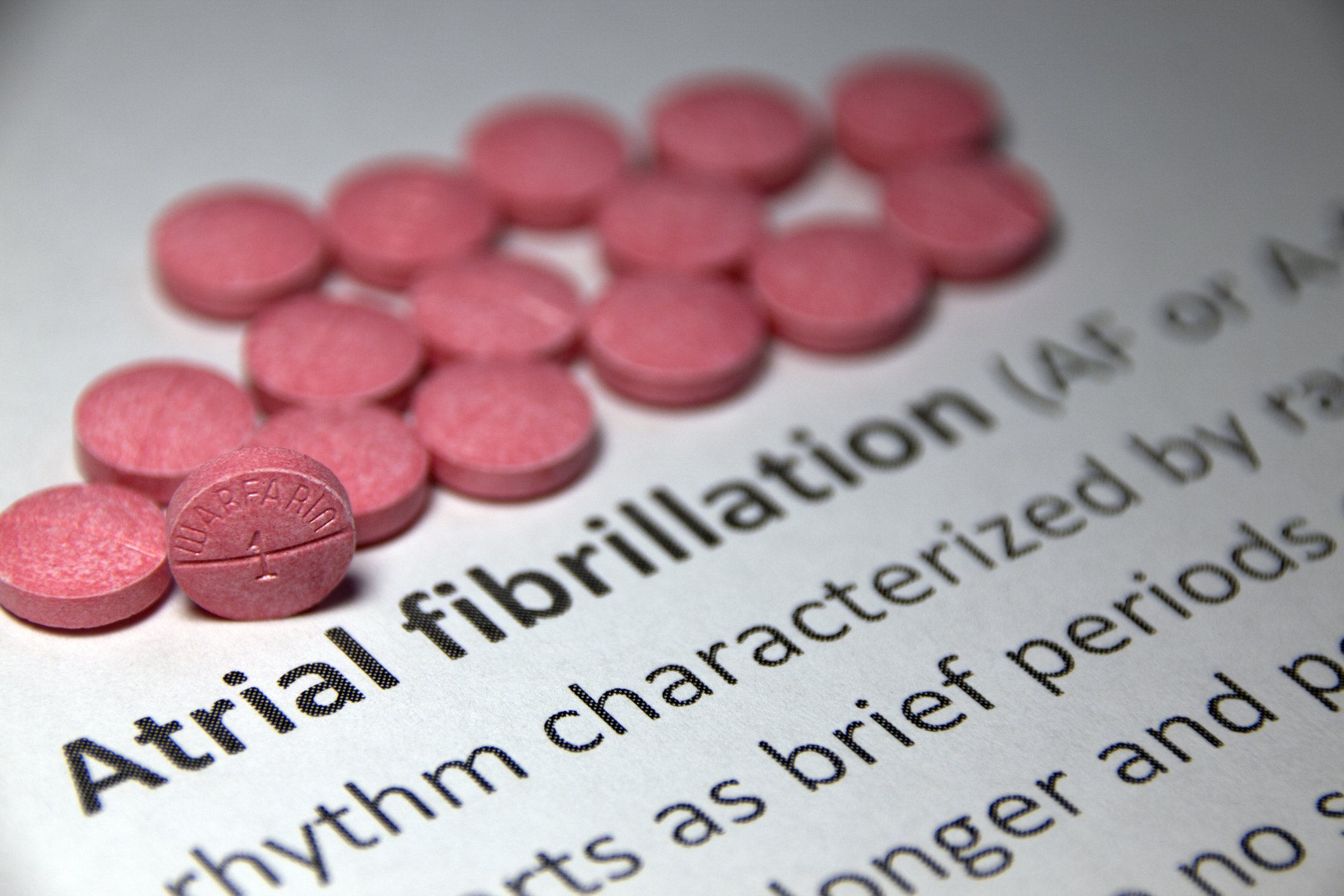
View Post 5 min This content is machine translated Atrial fibrillation Anticoagulation after catheter ablation – for how long? In selected groups of patients with atrial fibrillation, ablation can lead to an improvement in symptoms and/or prognosis. To avoid complications, anticoagulation before, during and after ablation should be criteria-driven....…
View Post 5 min This content is machine translated Clinical relevance, benefits and limitations Atrial Fibrillation Screening Screening for atrial fibrillation is considered a potentially effective strategy for preventing strokes at an early stage. But how great is the actual benefit in clinical care? A recent meta-analysis...…
View Post 7 min This content is machine translated Atrial fibrillation: interdisciplinary effort is crucial Managing risk factors and comorbidities in addition to rhythm control The previously used “ABC” scheme was replaced by the more comprehensive “CARE” approach in the ESC guideline published in 2024. Drug therapy for atrial fibrillation is primarily aimed at preventing...…
View Post 8 min This content is machine translated HFpEF 2025 Precision medicine and phenotypes In 2025, heart failure with preserved ejection fraction (HFpEF) is less than ever a single clinical picture – it is an umbrella over many phenotypes with different triggers, pathomechanisms and...…
View Post 9 min This content is machine translated Catheter ablation for atrial fibrillation 2025 Pulsed field versus radio frequency – where do we stand? In the treatment of atrial fibrillation (AF), catheter ablation has developed from a specialized option to the mainstay of a modern rhythm strategy within a decade. In 2025, two developments...…
View Post 6 min This content is machine translated DOAK optimization, ABC pathway and lessons learned from the FXI/XIa pipeline Stroke prevention for atrial fibrillation 2025 Atrial fibrillation is the most important treatable risk factor for ischemic strokes in 2025 – and at the same time an area where precision makes all the difference. The major...…
View Post 4 min This content is machine translated Study report Digital patient education for atrial fibrillation shows measurable effects The prevalence of atrial fibrillation is increasing and efforts are underway to implement innovative care concepts. In this context, a digitalized patient training course was evaluated as part of a...…
View Post 4 min This content is machine translated Atrial fibrillation What’s new with the “pace-and-ablate” strategy? Atrial fibrillation (AF) is the most common cardiac arrhythmia and is associated with increased morbidity and mortality. The guideline of the European Society for Cardiology (ESC), which was updated last...…