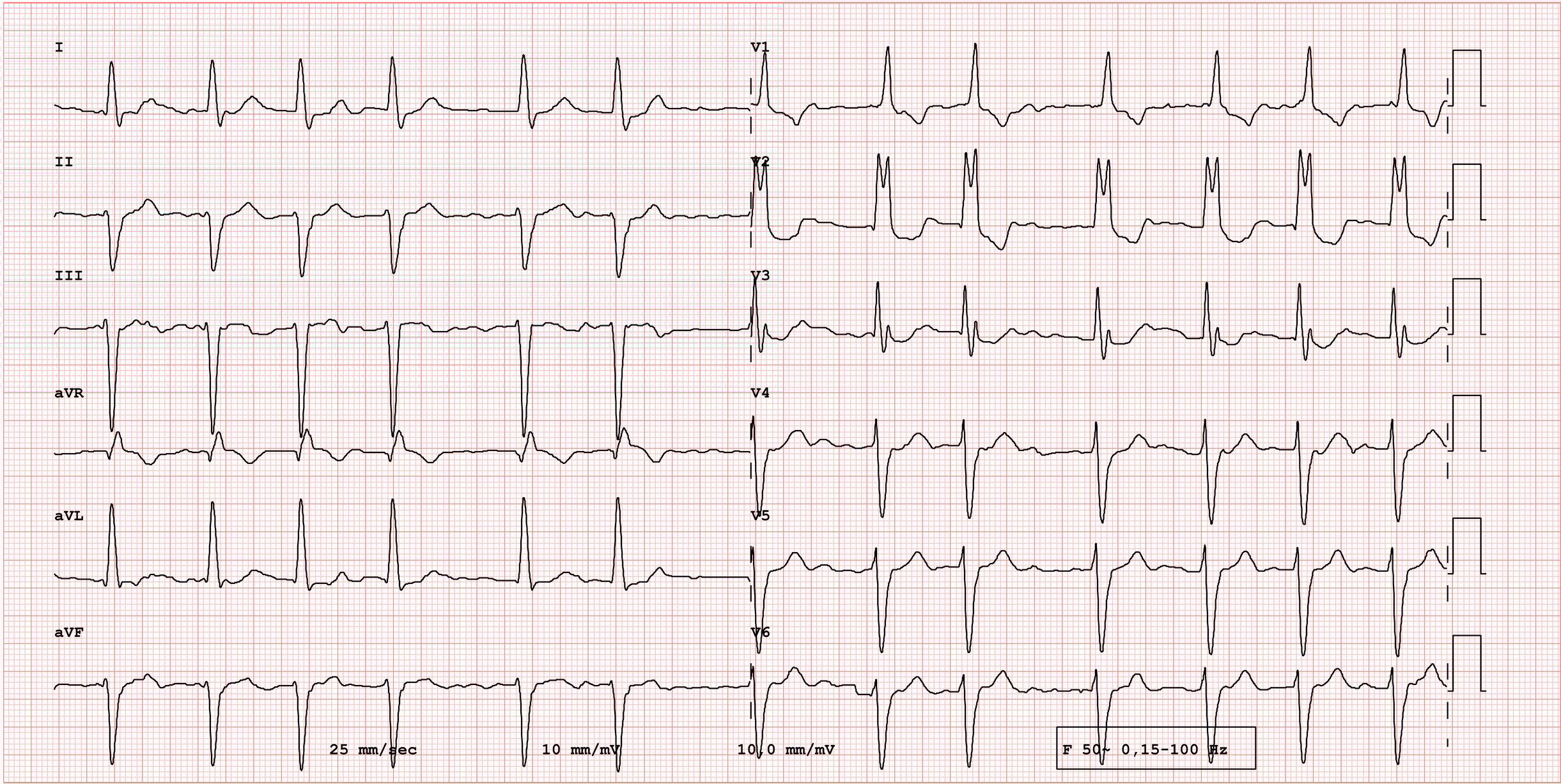
In selected groups of patients with atrial fibrillation, ablation can lead to an improvement in symptoms and/or prognosis. To avoid complications, anticoagulation before, during and after ablation should be criteria-driven. There is a consensus that periprocedural oral anticoagulation (OAC) is generally recommended regardless of the thromboembolic risk. On the other hand, the longer-term continuation of OAC is controversial. The ALONE-AF study published in 2025 has provided new evidence in this regard.
Autoren
- Mirjam Peter, M.Sc.
Publikation
- HAUSARZT PRAXIS

Related Topics
You May Also Like
- Multimorbidity and functional capacity in old age
Clarify individual health status and reduce risks
- Tick season: danger from early summer meningoencephalitis
TBE vaccination recommended for adults and children aged 3 and over
- New WHO guideline, updated stimulation protocols, focus on PGT-A
Fertility and reproductive medicine 2026
- Wound treatment
Surgical wound complications
- Proteins in wound healing
Do special amino acids lead to success?
- Proteins in wound healing
Do special amino acids lead to success?
- Psychedelic-assisted therapy
Current status of PAT
- Hepatitis B prophylaxis