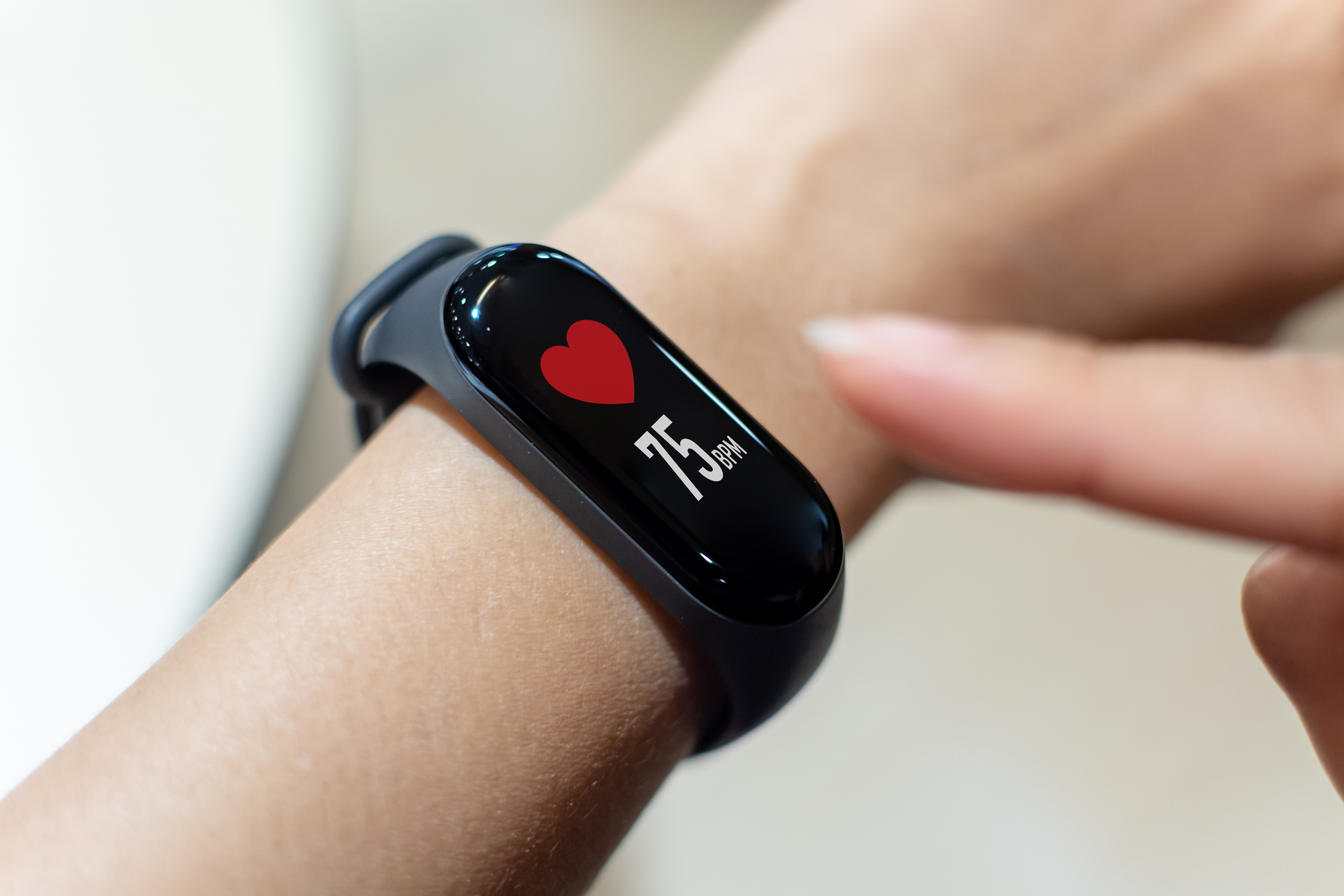
Wearable devices with photoplethysmography and ECG capabilities offer a non-invasive and scalable method of monitoring heart rate. A recently published randomized controlled trial provided evidence that six months of screening using a smartwatch improves the detection of new-onset atrial fibrillation compared to standard care in patients at increased risk of stroke.
Autoren
- Mirjam Peter, M.Sc.
Publikation
- HAUSARZT PRAXIS

Related Topics
You May Also Like
- Digital dermatology: innovative project examples
AI and eHealth tools in HS care
- Mantle cell lymphoma
Recurrence after BTK inhibition – prognostic factors and treatment options
- Dementia risk with type 2 diabetes
SGLT2 inhibitors with advantages vs. DPP4 inhibitors
- T helper 1 cells
Differentiation and activation of Th1 cells – a multi-omics approach
- Cannabis for schizophrenia
CBD pre-treatment could exacerbate side effects
- Type 2 diabetes: cardiovascular risk reduction is realistic
Modern active ingredients and lifestyle – every step counts
- Case study
8-year-old girl with Pätau syndrome aka trisomy 13
- Lichen sclerosus