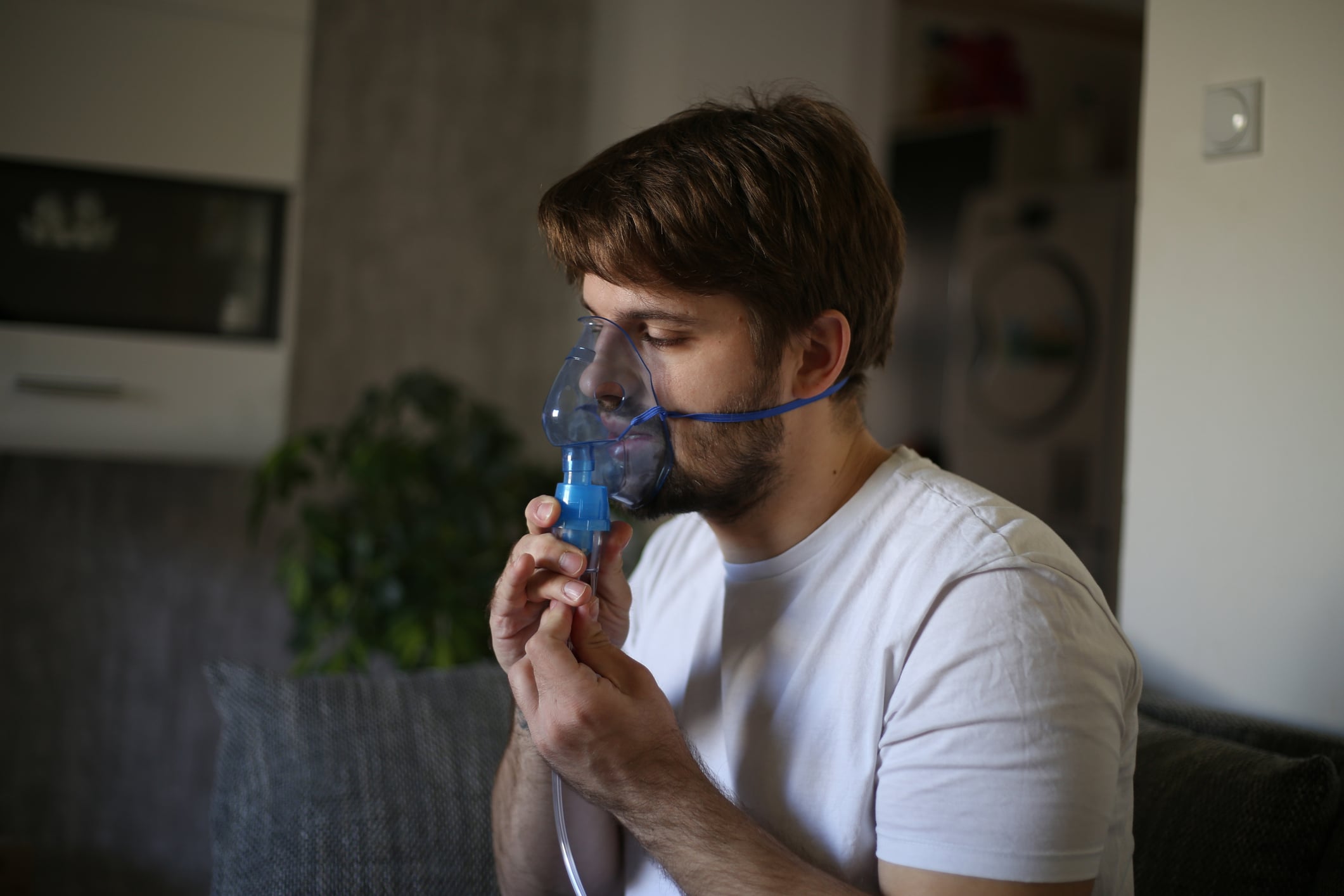
Approximately 20–40% of all COPD patients exhibit Type 2 inflammation, which is characterized by elevated BEC. This eosinophilic phenotype is associated with an increased risk of exacerbations and a favorable response to inhaled corticosteroids (ICS) as well as biologic therapies. However, BEC is subject to significant fluctuations over time. How many measurements are needed to reliably identify patients with an eosinophilic phenotype?
Autoren
- Jens Dehn
Publikation
- InFo PNEUMOLOGIE & ALLERGOLOGIE
Related Topics
You May Also Like
- CKD and High Blood Pressure
Keeping an Eye on Bidirectional Interactions
- Molecular Classification, FIGO 2023, and Chemoimmunotherapy
Endometrial carcinoma
- Psoriatic Arthritis
Older patients at risk for tachyarrhythmias
- Genetic Kidney Disease: DOUBLE PROTECT Alport
The SGLT-2 inhibitor dapagliflozin as an add-on to RAS blockade
- Case Study: Cystic Fibrosis in Adults
Recurrent Pneumonia as a Manifestation of Cystic Fibrosis
- Long COVID/Fatigue Clinic
An Innovative Approach: Neuroplasticity and Predictive Processing
- T-cell lymphomas
Diagnostic Challenges and New Treatment Options
- Interbrain Synchrony