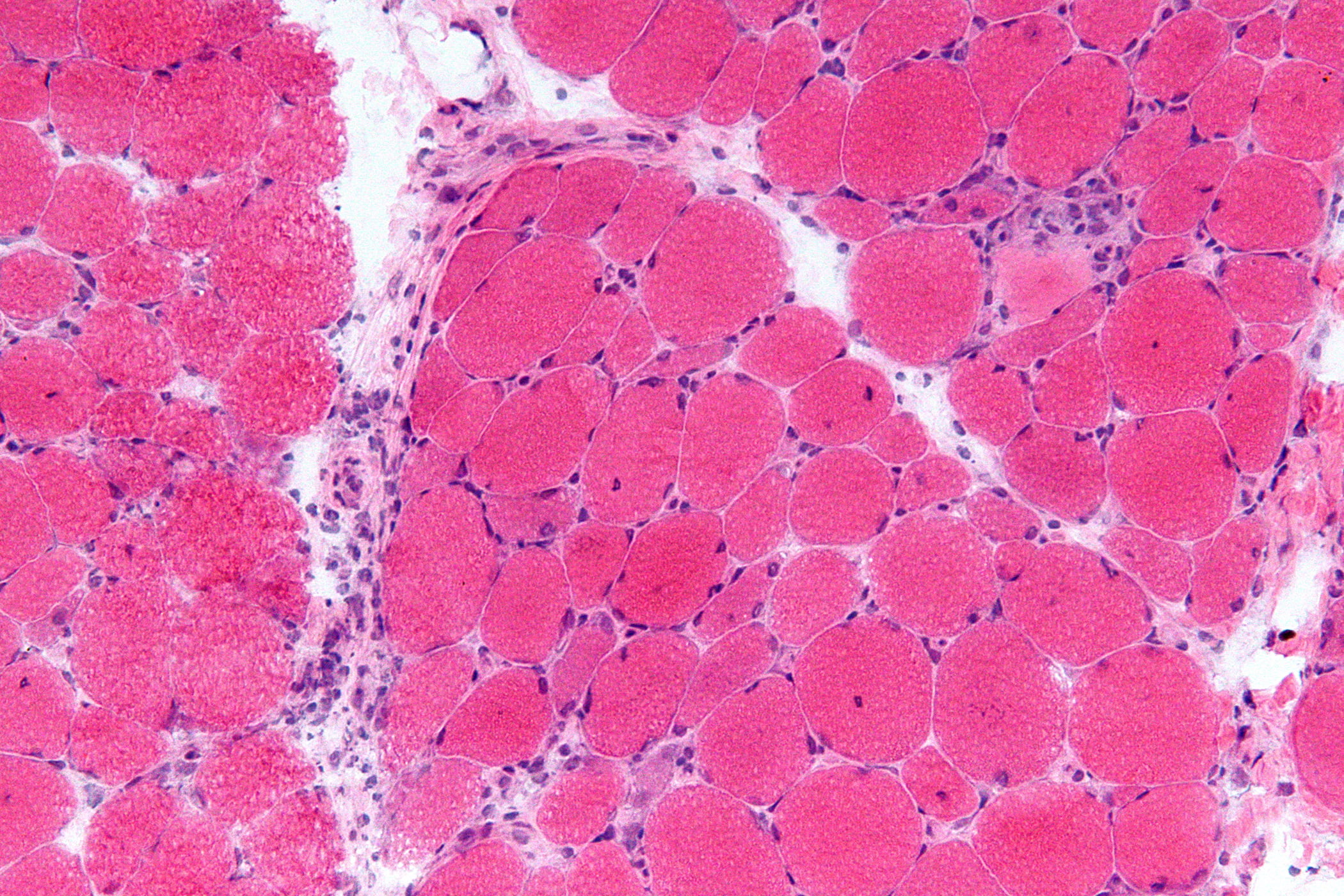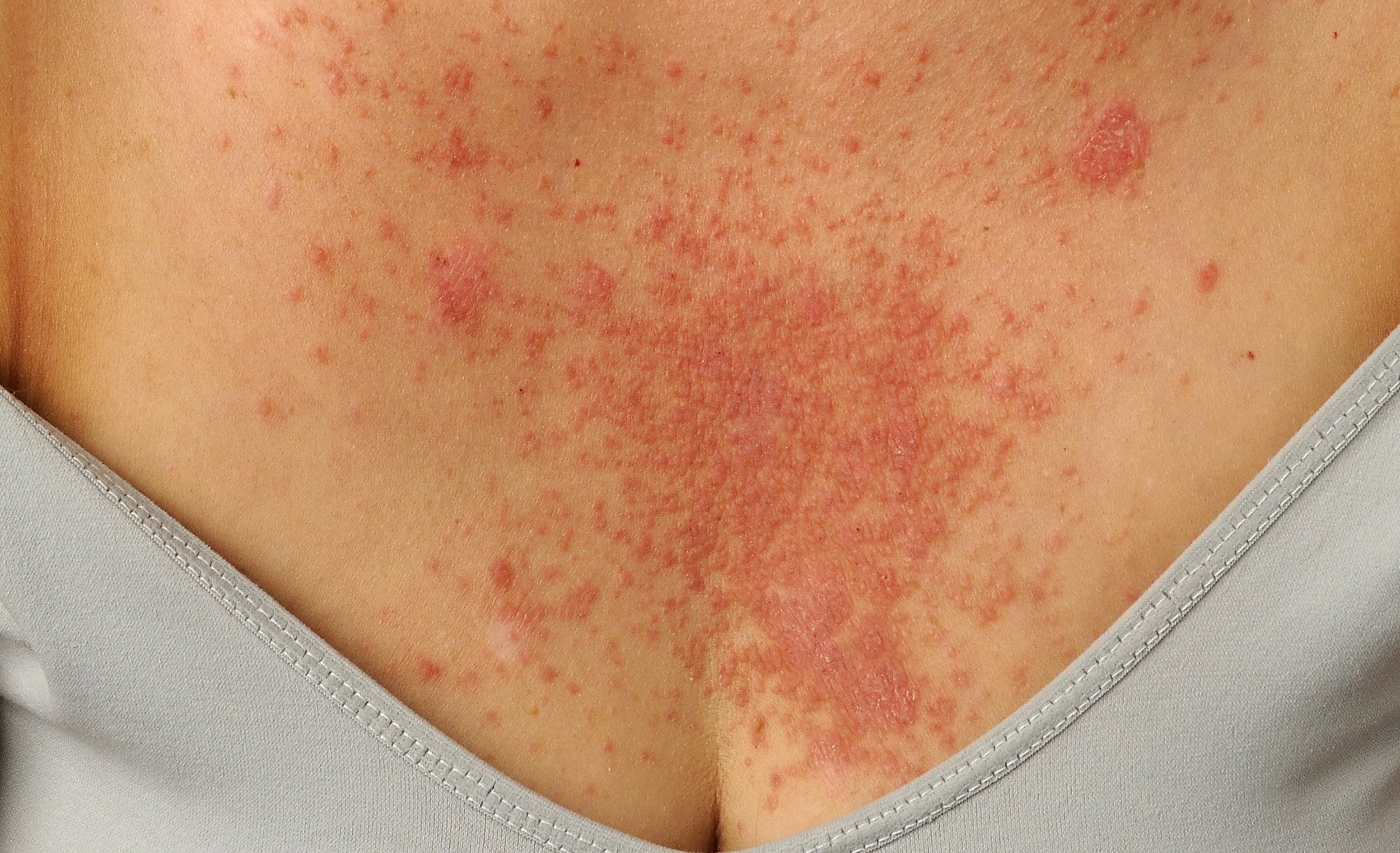
Darier’s disease is caused by pathogenic variants in the ATP2A2 gene. Advances in our understanding of its pathophysiology have paved the way for the development of innovative therapeutic approaches, but further research is needed to optimize patient outcomes. This is also reflected in the establishment of the International Task Force for Darier’s Disease (DD-ITF) in 2025. For patients with severe or refractory disease, oral retinoids are still considered the first-line systemic therapy, but there are an increasing number of case reports documenting the successful use of anti-inflammatory immunomodulatory therapies (JAK inhibitors, biologics). This suggests that complex inflammatory processes are involved in the pathogenesis.
Publikation
- DERMATOLOGIE PRAXIS