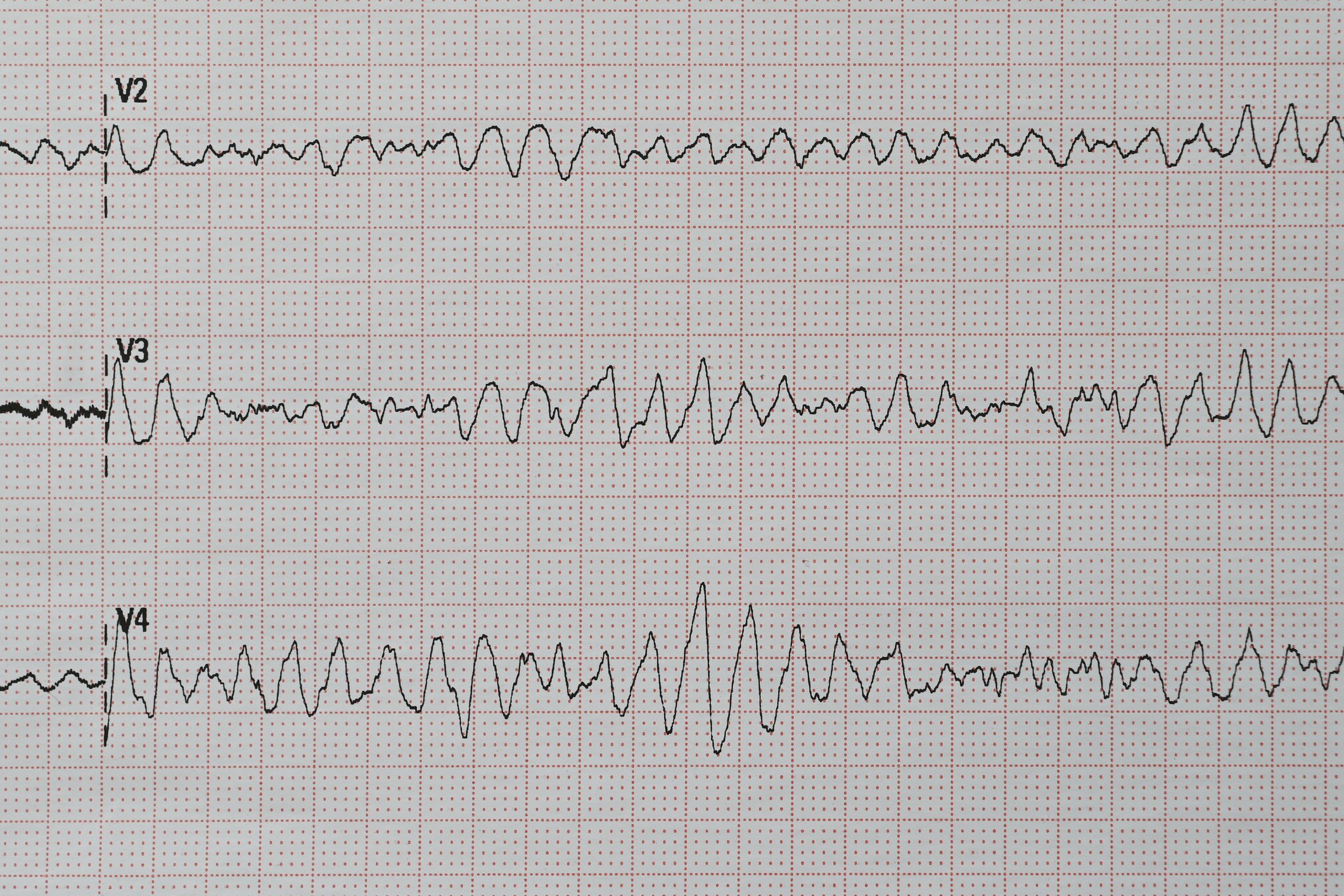
The previously used “ABC” scheme was replaced by the more comprehensive “CARE” approach in the ESC guideline published in 2024. Drug therapy for atrial fibrillation is primarily aimed at preventing strokes and achieving the best possible symptom control. To this end, oral anticoagulation and rhythm and/or rate control are recommended. Catheter ablation can be highly effective, but is only one part of a holistic concept, for the implementation of which interdisciplinary cooperation is essential. The German S3 guideline published in 2025 also offers practical recommendations in this regard.
Autoren
- Mirjam Peter, M.Sc.
Publikation
- HAUSARZT PRAXIS
Related Topics
You May Also Like
- From symptom to diagnosis
Gynecomastia and Adipomastia
- Plastic surgery and reconstructive microsurgery for DFS
Functional limb preservation between infection control, vascular medicine and resurfacing
- SURPASS-CVOT
Tirzepatide versus Dulaglutide in T2D with ASCVD
- Secondary prevention after ACS: individually optimized lipid management
Trend towards early combination therapy and new strategies for lowering Lp(a)
- Pediatric Brain Tumors
Psychiatry versus Neuro-Oncology: Diagnostic Pitfalls
- What the latest studies on the entire EF spectrum mean for clinical practice
Heart Failure – The 2026 Evidence Update
- Acute ischemic stroke
Alteplase and Tenecteplase Are on the Same Level
- CKD in People with Type 2 Diabetes: Evidence-Based, Optimized Treatment