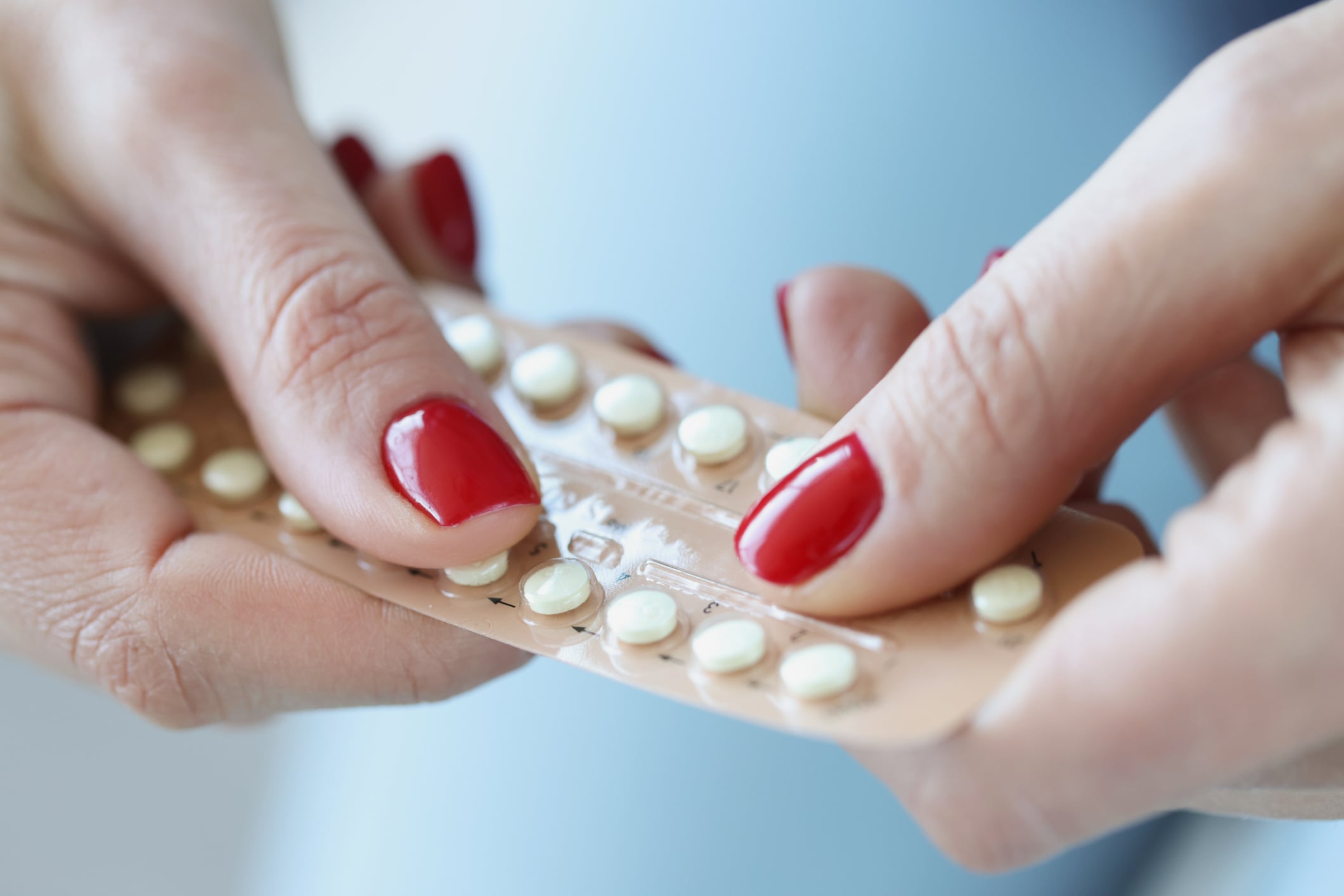
This content is machine translated Current evidence, risk classes and new counseling options Hormonal contraception and cardiovascular risk Over 247 million women worldwide use hormonal contraception – the majority with combined oral contraceptives (COCs). This prevalence is accompanied by an ongoing medical responsibility: venous thromboembolism, ischemic strokes and...…
View Post 6 min This content is machine translated Multimorbidity and functional capacity in old age Clarify individual health status and reduce risks The term “frailty” describes the state of increased vulnerability to an unfavorable health outcome and includes, among other things, falls, acute confusion (delirium) and restrictions in functional skills relevant to...…
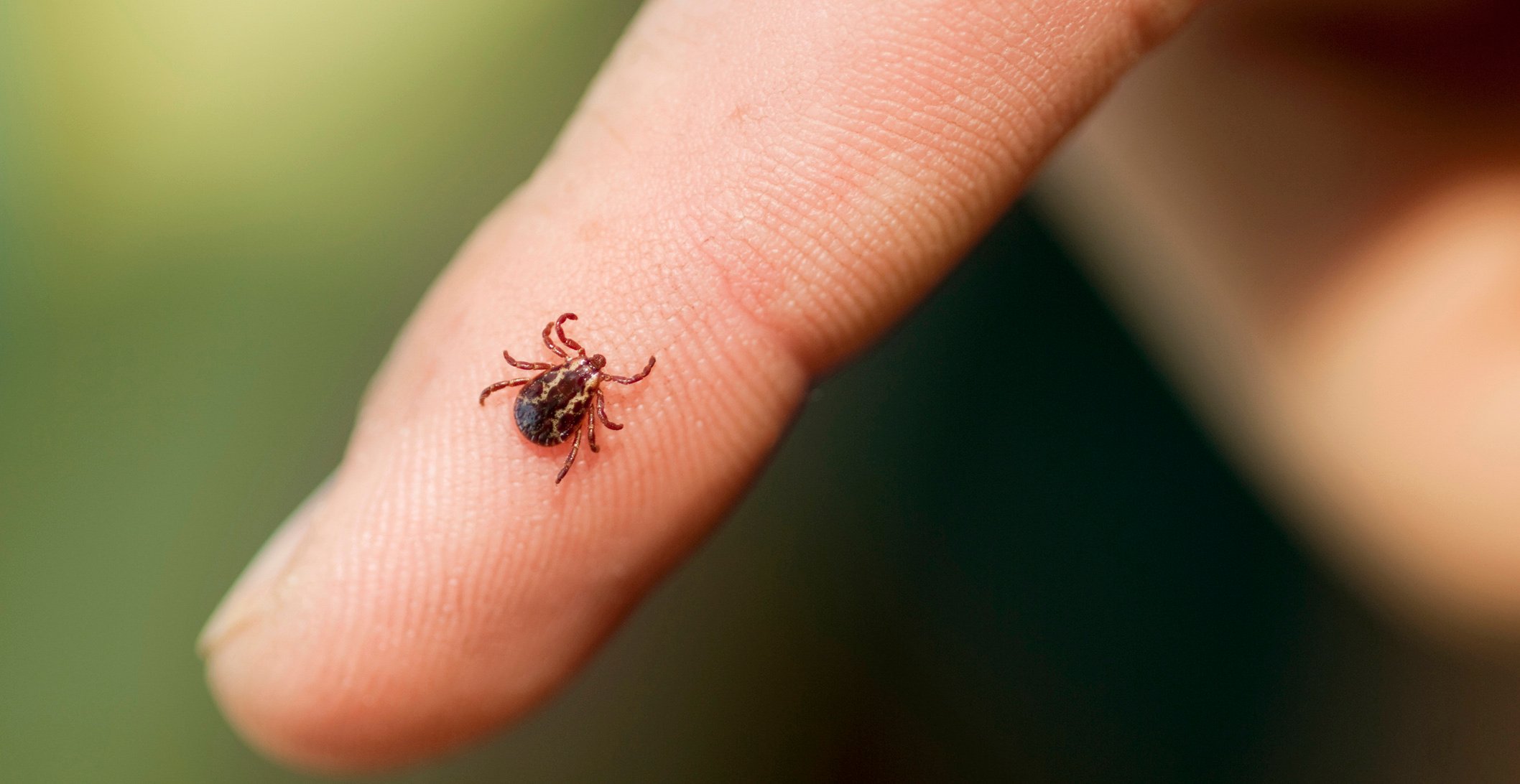
View Post 6 min This content is machine translated Tick season: danger from early summer meningoencephalitis TBE vaccination recommended for adults and children aged 3 and over In Switzerland, all regions except Ticino are considered risk areas. The spread of the common wood tick (Ixodes ricinus) is also increasingly affecting higher-altitude areas, with outbreaks detected up to...…
View Post 6 min This content is machine translated Age-related neurocognitive disorders Neuroprotective effects of Ginkgo biloba extract Ginkgo biloba extracthas pronounced antioxidant properties and acts specifically against the formation of free radicals and mitochondrial deficits caused by β-amyloid protein. According to current knowledge, the beneficial effects of...…
View Post 5 min This content is machine translated Neuro-ophthalmology Visual Snow Syndrome: From the mysterious disorder to effective treatment options Visual Snow is an independent neurological disorder with characteristic visual and non-visual symptoms. Chromatic filters and oculomotor training can significantly reduce the symptoms. Visual snow syndrome has long been considered...…
View Post 14 min This content is machine translated Lung cancer Multidisciplinary teams in oncology The treatment of cancer is one of the greatest challenges of modern medicine. The complexity of oncological diagnostics and therapy, the multitude of treatment options available and the need to...… CME-Test
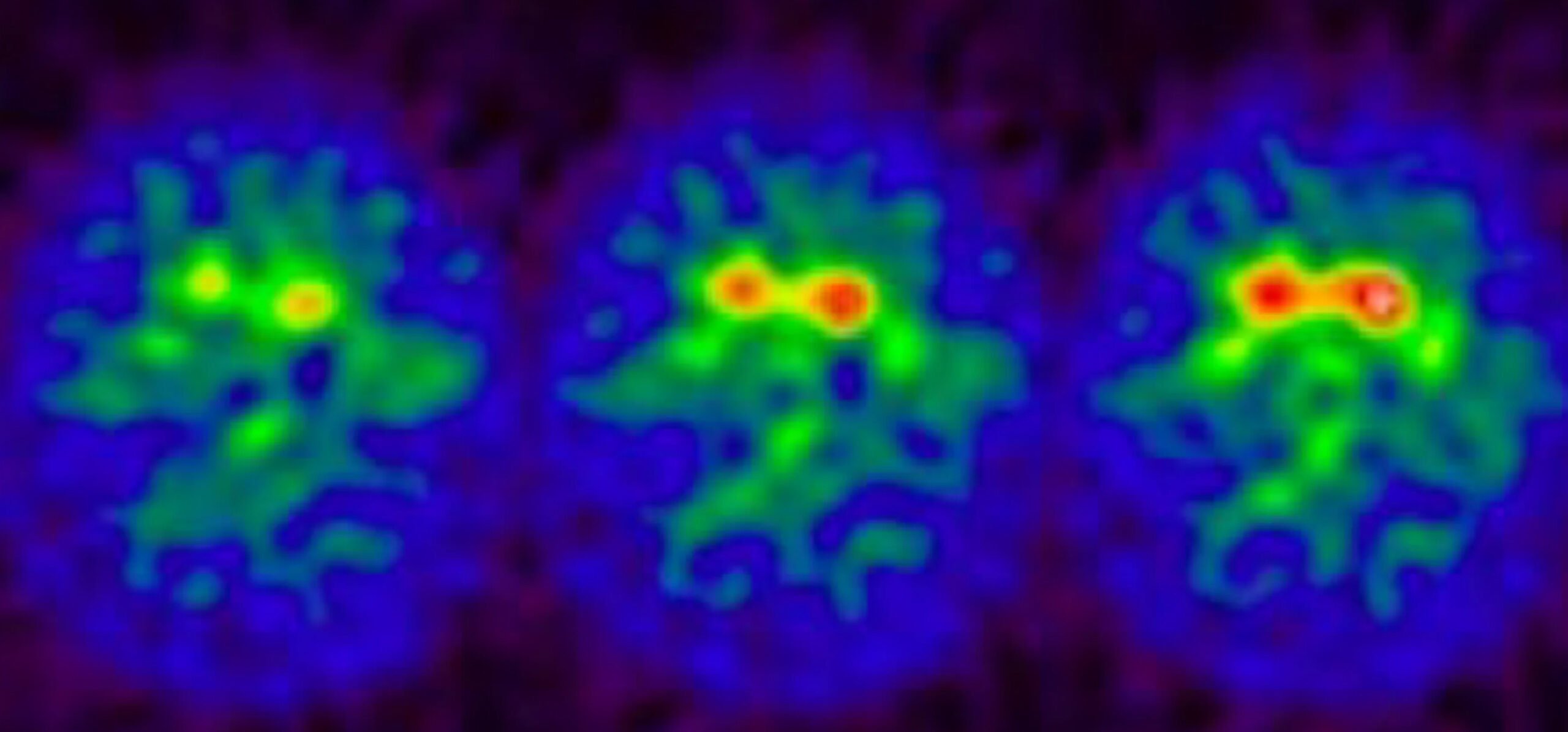
View Post 6 min This content is machine translated From diagnostics to personalized therapy Nuclear medical imaging for Parkinson’s disease Nuclear medicine imaging enables early objectification of dopaminergic deficits and supports differential diagnosis. Imaging findings help with therapy planning, follow-up and individualization of treatment. Nuclear medicine procedures are a crucial...…
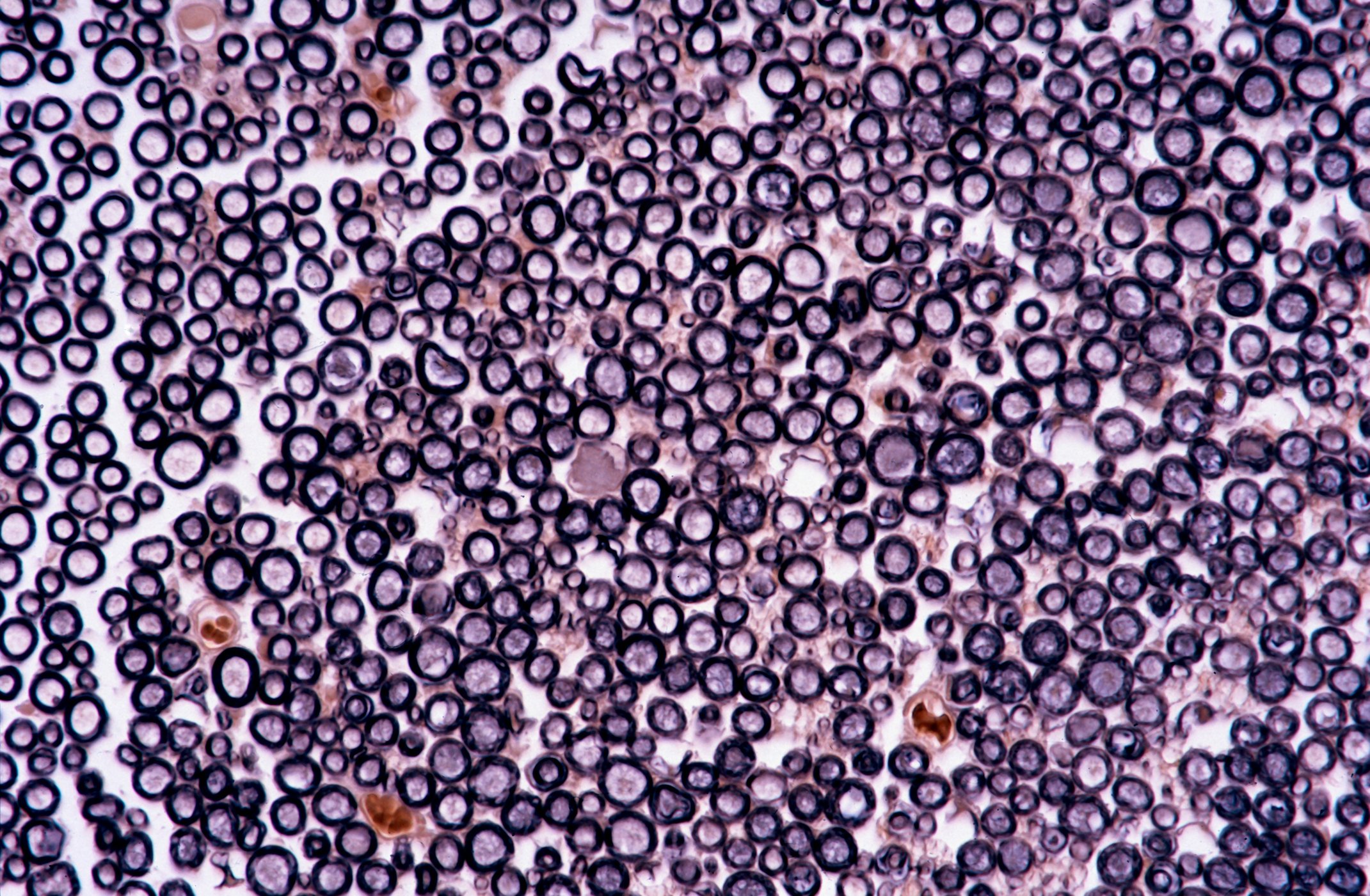
View Post 4 min This content is machine translated Neuropathies - CIDP Differentiate chronic inflammatory demyelinating polyneuropathy (CIDP) CIDP can only be reliably differentiated from clinical mimics through systematic diagnostics. Diagnostic findings guide the selection of suitable immunotherapy. Chronic inflammatory demyelinating polyneuropathy shows diverse phenotypes and is often...…
View Post 14 min This content is machine translated Lung cancer Multidisciplinary teams in oncology The treatment of cancer is one of the greatest challenges of modern medicine. The complexity of oncological diagnostics and therapy, the multitude of treatment options available and the need to...… CME-Test
View Post 5 min This content is machine translated Nutritional supplements and cognition 5-HTP: The serotonin booster for cognition in old age Can a dietary supplement measurably improve cognitive ageing processes? When 5-HTP is useful – and when caution is needed due to interactions. A randomized study shows: 5-HTP increases serotonin levels,...…
View Post 5 min This content is machine translated Friedreich's ataxia Interim analyses of the PROFA study show “Unmet needs” The PROFA study focuses, among other things, on patient-reported psychosocial effects of Friedreich’s ataxia (FRDA) at different stages of the disease. The study comprises a cohort of FRDA patients in...…