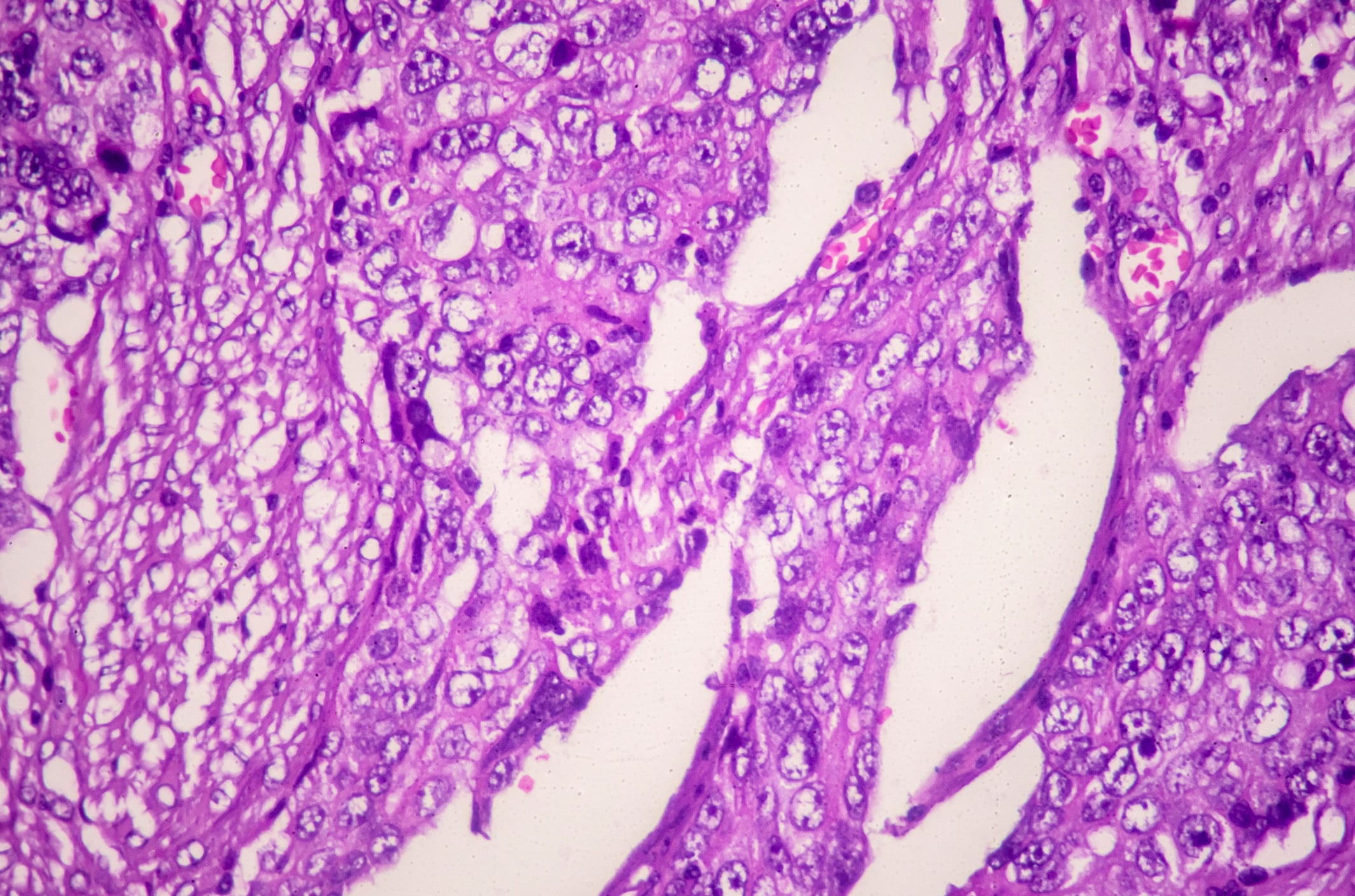
Energy deficiency instead of pure oxidative stress: New data show that in Friedreich’s ataxia, disturbances in fatty acid and ketone body metabolism in particular contribute to selective neurodegeneration. The article explains the pathophysiology, explains the neuronal vulnerability and shows which metabolic signaling pathways could be addressed therapeutically in the future.
Autoren
- Dr. Ulf Blanke
Publikation
- InFo NEUROLOGIE & PSYCHIATRIE

Related Topics
You May Also Like
- Psychological dependence on AI assistants, smartphones and short videos
Algorithms, avatars and the unburdened mind
- Psychooncology
Communication as the key to therapy adherence
- The Brain and the Motivation to Eat
Why is it so hard to lose weight?
- Omaveloxolone for Friedreich's Ataxia
Efficacy and Safety Studied Over 6 Years
- Psoriasis: therapy with biologics and TYK-2-i
Progress assessments based on current long-term and real-world data
- Hypertension: the most important facts for daily practice
Early dual antihypertensive therapy is usually indicated
- Escitalopram for anxiety disorders
Positive effect, but no immediate improvement in symptoms
- Helicobacter pylori infection