Medizinonline Medizinonline
  • News
    • News
    • Market & Medicine
  • Patients
    • Disease patterns
    • Diagnostics
    • Therapy
  • Partner Content
    • Diabetes
      • Dia-Month Club – Type 2 Diabetes
      • Diabetes in Motion
      • Diabetes Podcasts
    • Gastroenterology
      • IBD matters
    • Oncology
      • Swiss Oncology in motion
    • Orthopedics
      • Osteoporosis in motion
  • Departments
    • Allergology and clinical immunology
    • General Internal Medicine
    • Anesthesiology
    • Angiology
    • Surgery
    • Dermatology and venereology
    • Endocrinology and Diabetology
    • Nutrition
    • Gastroenterology and Hepatology
    • Genetics
    • Geriatrics
    • Gynecology
    • Hematology
    • Infectiology
    • Cardiology
    • Nephrology
    • Neurology
    • Emergency and intensive care medicine
    • Nuclear Medicine
    • Oncology
    • Ophthalmology
    • ORL
    • Orthopedics
    • Pediatrics
    • Pharmacology and toxicology
    • Pharmaceutical medicine
    • Phlebology
    • Physical medicine and rehabilitation
    • Pneumology
    • Prevention and health care
    • Psychiatry and psychotherapy
    • Radiology
    • Forensic Medicine
    • Rheumatology
    • Sports Medicine
    • Traumatology and trauma surgery
    • Tropical and travel medicine
    • Urology
    • Dentistry
  • CME & Congresses
    • CME continuing education
    • Congress Reports
    • Congress calendar
  • Practice
    • Noctimed
    • Practice Management
    • Jobs
    • Interviews
  • Log In
  • Register
  • My account
  • Contact
  • Publications
  • Contact
  • Deutsch
  • English
  • Français
  • Italiano
  • Português
  • Español
Subscribe
Medizinonline Medizinonline
  • News
    • News
    • Market & Medicine
  • Patienten
    • Krankheitsbilder
    • Diagnostik
    • Therapie
  • Partner Content
    • Diabetes
      • Dia-Month Club – Type 2 Diabetes
      • Diabetes in Motion
      • Diabetes Podcasts
    • Gastroenterology
      • IBD matters
    • Oncology
      • Swiss Oncology in motion
    • Orthopedics
      • Osteoporosis in motion
    • Phytotherapie
    • Rheumatology
  • Departments
    • Fachbereiche 1-13
      • Allergology and clinical immunology
      • General Internal Medicine
      • Anesthesiology
      • Angiology
      • Surgery
      • Dermatology and venereology
      • Endocrinology and Diabetology
      • Nutrition
      • Gastroenterology and Hepatology
      • Genetics
      • Geriatrics
      • Gynecology
      • Hematology
    • Fachbereiche 14-26
      • Infectiology
      • Cardiology
      • Nephrology
      • Neurology
      • Emergency and intensive care medicine
      • Nuclear Medicine
      • Oncology
      • Ophthalmology
      • ORL
      • Orthopedics
      • Pediatrics
      • Pharmacology and toxicology
      • Pharmaceutical medicine
    • Fachbereiche 26-38
      • Phlebology
      • Physical medicine and rehabilitation
      • Phytotherapy
      • Pneumology
      • Prevention and health care
      • Psychiatry and psychotherapy
      • Radiology
      • Forensic Medicine
      • Rheumatology
      • Sports Medicine
      • Traumatology and trauma surgery
      • Tropical and travel medicine
      • Urology
      • Dentistry
  • CME & Congresses
    • CME continuing education
    • Congress Reports
    • Congress calendar
  • Practice
    • Noctimed
    • Practice Management
    • Jobs
    • Interviews
Login

Sie haben noch keinen Account? Registrieren

  • Parkinson's

Coffee consumption and risk of levodopa-induced dyskinesias.

    • Neurology
    • Nutrition
    • RX
    • Studies
  • 2 minute read

Purpose: To investigate a possible association between coffee consumption and the risk of levodopa-induced dyskinesia in patients with Parkinson’s disease.

Background

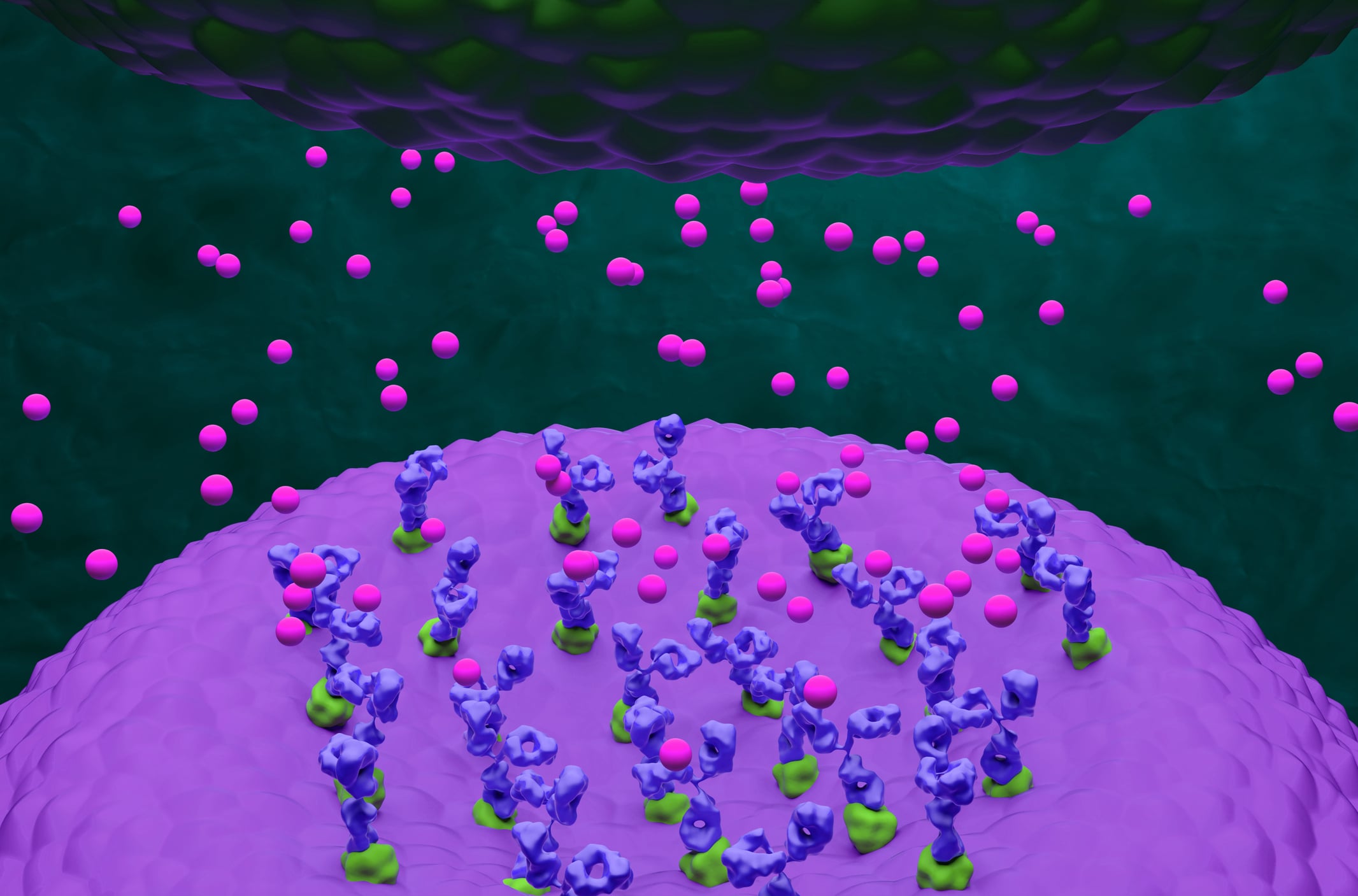
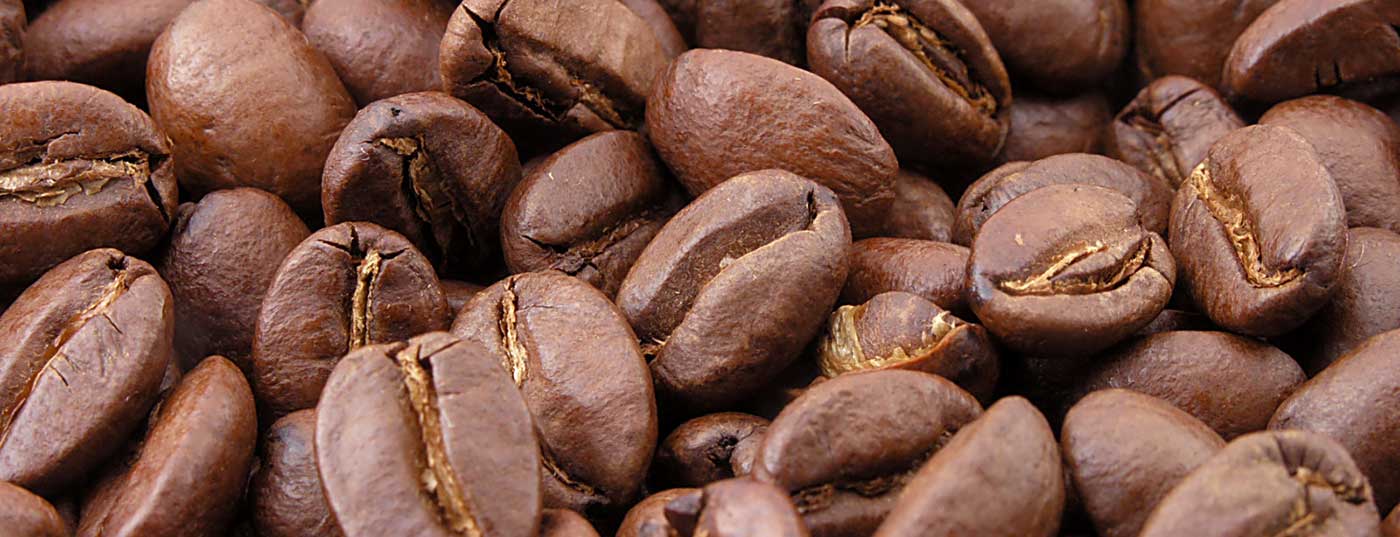
In recent years, some studies have found a consistent association between coffee consumption and reduced risk of developing Parkinson’s disease. The risk of Parkinson’s disease in coffee drinkers was about 30% lower than in the control group. The effect is greater the more coffee is drunk. Coffee is a methylxanthine. The main pharmacological effect is antagonism at the adenosine A2A receptor, which regulates the nigrostriatal dopaminergic system. Thus, pharmacological studies with adenosine A2A receptor antagonists show a reduction in OFF time in PD patients with motor fluctuations.

Patients and methodology

The FRAGAMP study is a multicenter Italian case-control study investigating possible environmental and genetic factors in Parkinson’s disease. A face-to-face interview was conducted by a qualified neurologist with the help of a standardized questionnaire. Motor severity of the disease was determined using the Unified Parkinson’s Disease Rating Scale (UPDRS Part III). Part IV of the UPDRS was used to evaluate the severity of dyskinesias. We examined the association between coffee consumption and levodopa-induced dyskinesias using logistic regression analysis. Parameters with a cutoff value of p=0.1 in the univariate analysis were included in the model.  

Results

A total of 485 patients were included in the study. Of the 485 patients, a total of 439 were taking levodopa (200 levodopa alone; 239 levodopa in combination with a dopamine agonist; 46 dopamine agonists only). Multivariate analysis showed a significant negative association between presence of dyskinesias and coffee consumption (“ever” vs “never”) with an adjusted odds ratio of 0.44 (95% CI; 0.23-0.85). A significant association was also found between dose (cups per day) and reduced risk (p<0.05).

Conclusions of the authors

A beneficial effect of adenosine A2A antagonists on levodopa-induced dyskinesia has already been found in several preclinical studies and substantiated in a recently published clinical trial. Therein, a reduction of levodopa-induced dyskinesias by a good 40% was shown in patients with a coffee consumption of >12 ounces of caffeine/d compared to <4 ounces/d [1]. The strengths of the current study are the neurological evaluation and the face-to-face interview. The weaknesses are the retrospective design and a “recall bias” that cannot be excluded.

Comment

Coffee consumption not only reduces the risk of Parkinson’s disease in a dose-dependent manner, but also appears to have a positive effect on an important and often therapy-limiting late motor complication, levodopa-induced dyskinesias, when the disease is already present. This positive effect is all the more impressive as it has also been shown that higher coffee consumption reduces all-cause mortality [2].


Literature:

  1. Wills AM, et al: Caffeine consumption and risk of dyskinesia in CALM-PD. Mov Disord 2013 Mar; 28(3): 380-383.
  2. Ding M, et al: Association of Coffee Consumption With Total and Cause-Specific Mortality in 3 Large Prospective Cohorts. Circulation 2015 Dec 15; 132(24): 2305-2315.

InFo NEUROLOGY & PSYCHIATRY 2016; 14(2): 32.
Autoren
  • Prof. Dr. med. Georg Kägi
Publikation
  • InFo NEUROLOGIE & PSYCHIATRIE
Related Topics
  • coffee
  • dyskinesia
  • levopoda
  • Parkinson's
Previous Article
  • Relapse prediction in depression

What role do feelings of guilt play?

  • Psychiatry and psychotherapy
  • RX
  • Studies
View Post
Next Article
  • α-Synuclein immunoreactivity at the enteric nervous system.

Biomarkers for prodromal parkinsonism syndrome?

  • Neurology
  • RX
  • Studies
View Post
You May Also Like
View Post
  • 5 min
  • Hepatitis B prophylaxis

Vaccination protection for healthcare staff with patient contact – an update

    • Congress Reports
    • General Internal Medicine
    • Infectiology
    • Prevention and health care
    • RX
View Post
  • 7 min
  • Plastic surgery and reconstructive microsurgery for DFS

Functional limb preservation between infection control, vascular medicine and resurfacing

    • Angiology
    • CME continuing education
    • Endocrinology and Diabetology
    • General Internal Medicine
    • Geriatrics
    • Physical medicine and rehabilitation
    • RX
    • Surgery
View Post
  • 14 min
  • Adrenogenital syndrome

Clinical care from birth to adulthood

    • CME continuing education
    • Endocrinology and Diabetology
    • Nephrology
    • Pediatrics
    • RX
    • Studies
View Post
  • 14 min
  • New approvals, current study data and ADC development

Antibody-drug conjugates in gynecologic oncology

    • Education
    • Gynecology
    • Oncology
    • RX
    • Studies
View Post
  • 11 min
  • Type 2 diabetes: cardiovascular risk reduction is realistic

Modern active ingredients and lifestyle – every step counts

    • Cardiology
    • Congress Reports
    • Endocrinology and Diabetology
    • Prevention and health care
    • RX
    • Studies
View Post
  • 5 min
  • From symptom to diagnosis

Pneumology – Covid-19: a review

    • Cases
    • Education
    • Infectiology
    • Pneumology
    • Prevention and health care
    • Radiology
    • RX
View Post
  • 10 min
  • Irritable Bowel Syndrome

Functional disorder of gut-brain interaction – a biopsychosocial concept

    • Congress Reports
    • Gastroenterology and Hepatology
    • General Internal Medicine
    • Nutrition
    • RX
    • Studies
View Post
  • 6 min
  • Abdominal aortic aneurysms in primary care

Risk-stratified screening and prophylaxis

    • Angiology
    • Congress Reports
    • Prevention and health care
    • Radiology
    • RX
    • Studies
    • Surgery
  • IBD matters

    Zum Thema
Top CME content
  • 1
    Functional limb preservation between infection control, vascular medicine and resurfacing
  • 2
    Minimally invasive – the quiet triumph of modern heart surgery
  • 3
    HPV prevention, screening innovation and sentinel lymph node biopsy
  • 4
    Clinical care from birth to adulthood
  • 5
    Multidisciplinary teams in oncology

Newsletter

Sign up and stay up to date

Subscribe
Medizinonline Medizinonline
  • Contact
  • General terms and conditions
  • Imprint

Input your search keywords and press Enter.