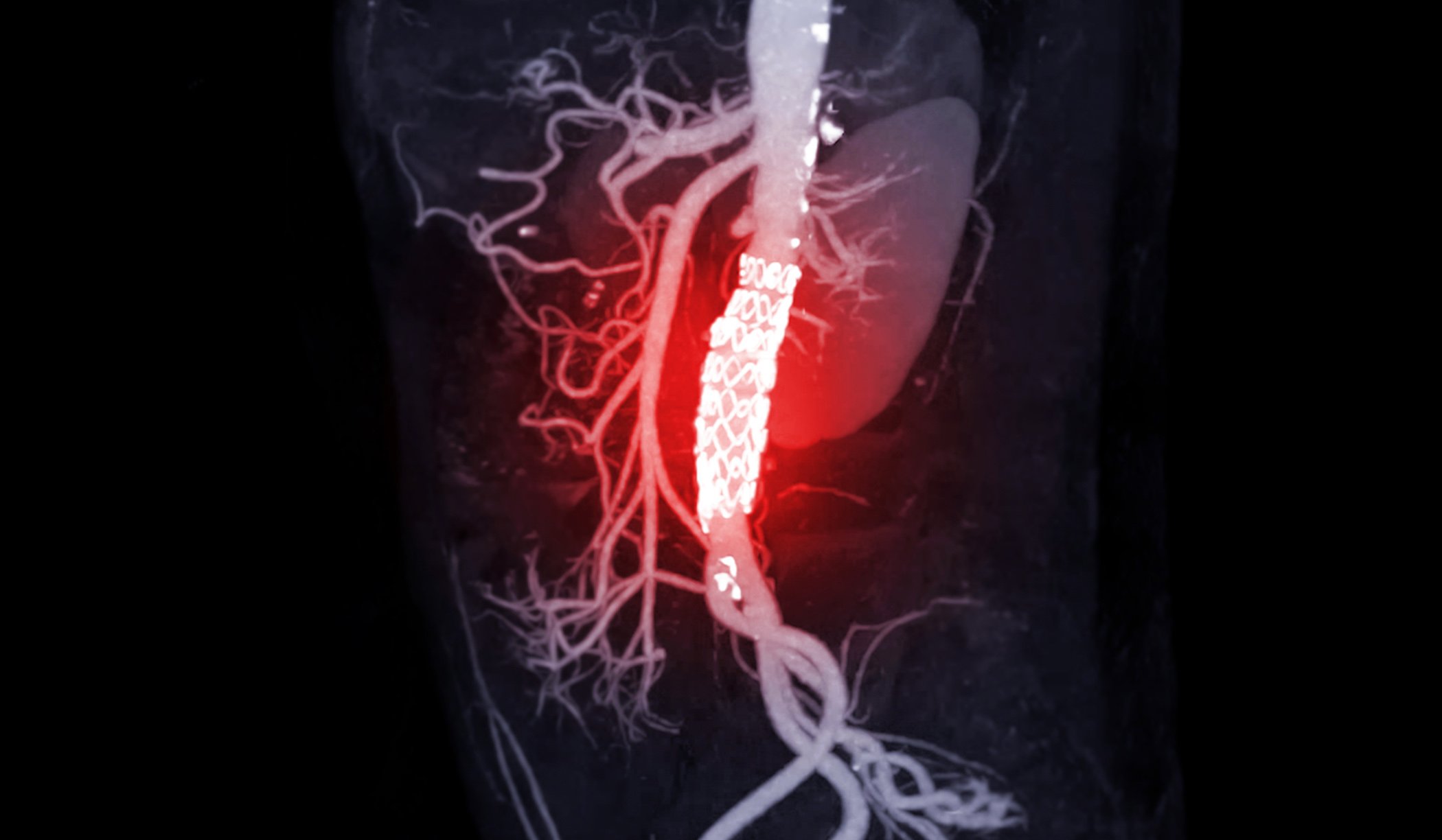
As abdominal aortic aneurysms are usually asymptomatic but potentially life-threatening, patients at risk should be screened in a targeted manner. These include in particular men over 65 and patients with a positive family history over 50. Low-threshold preventive measures include lifestyle modification (e.g. stopping smoking) and prophylactic medication (e.g. statins). For interventional aneurysm treatment, an open surgical procedure (OAR) or an endovascular procedure (EVAR) are available.
Autoren
- Mirjam Peter, M.Sc.
Publikation
- HAUSARZT PRAXIS

Related Topics
You May Also Like
- Irritable Bowel Syndrome
Functional disorder of gut-brain interaction – a biopsychosocial concept
- GLP1 receptor agonists
Positive influence on substance use and addiction
- Sleep apnea and cardiovascular diseases
Breathless through the night
- Diagnostics, differentiation and multimodal therapy
Vulvar diseases and vulvodynia
- From symptom to diagnosis
Abdominal pain – Prostate lipoma
- Acute pulmonary embolism: new AHA/ACC guideline
Practical recommendations for risk-stratified triage
- Why lipoprotein(a) is the biggest therapeutic vacuum in cardiology
Lp(a): The underestimated risk factor before the turning point
- Modern system therapeutics for hidradenitis suppurativa