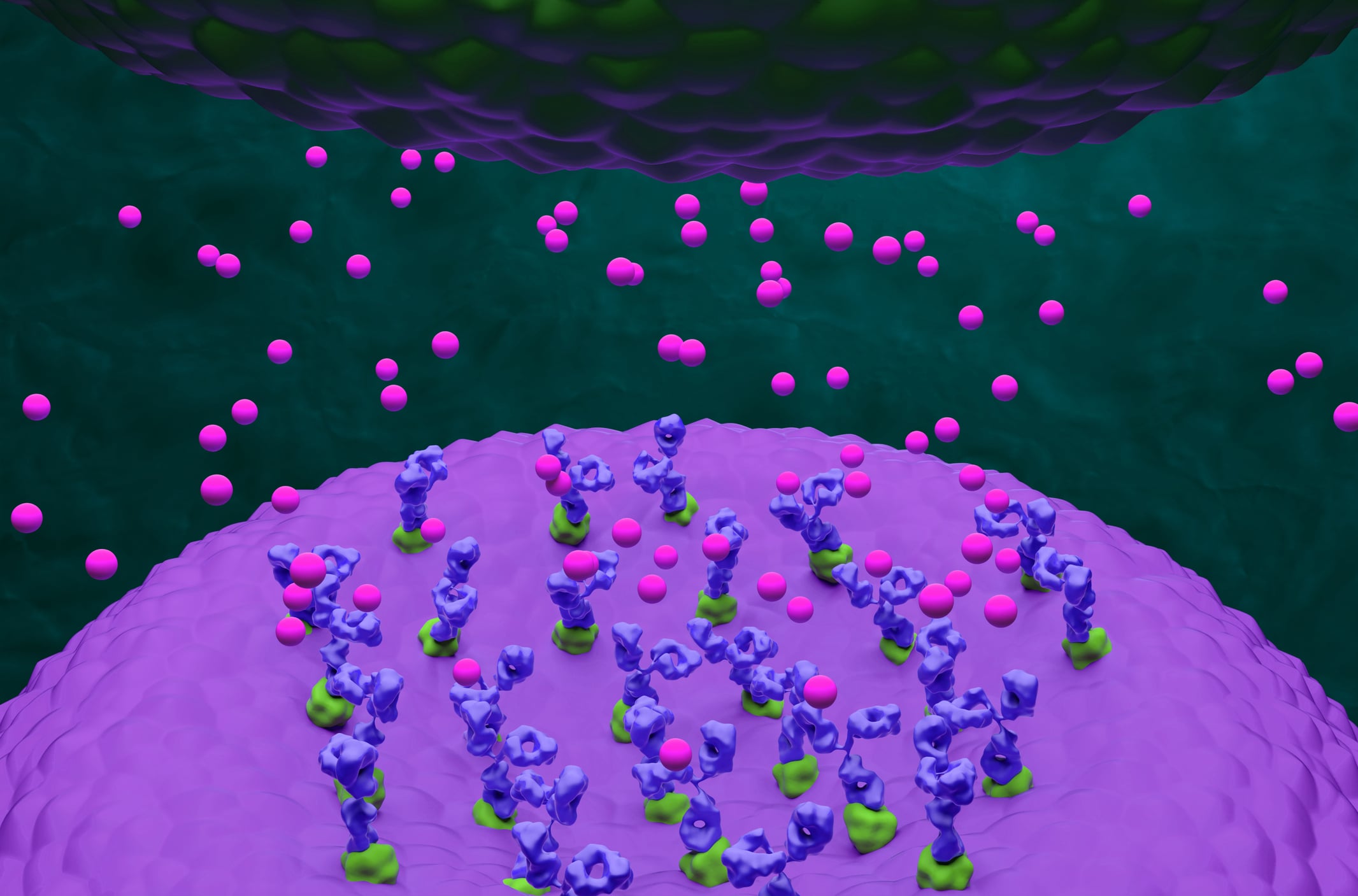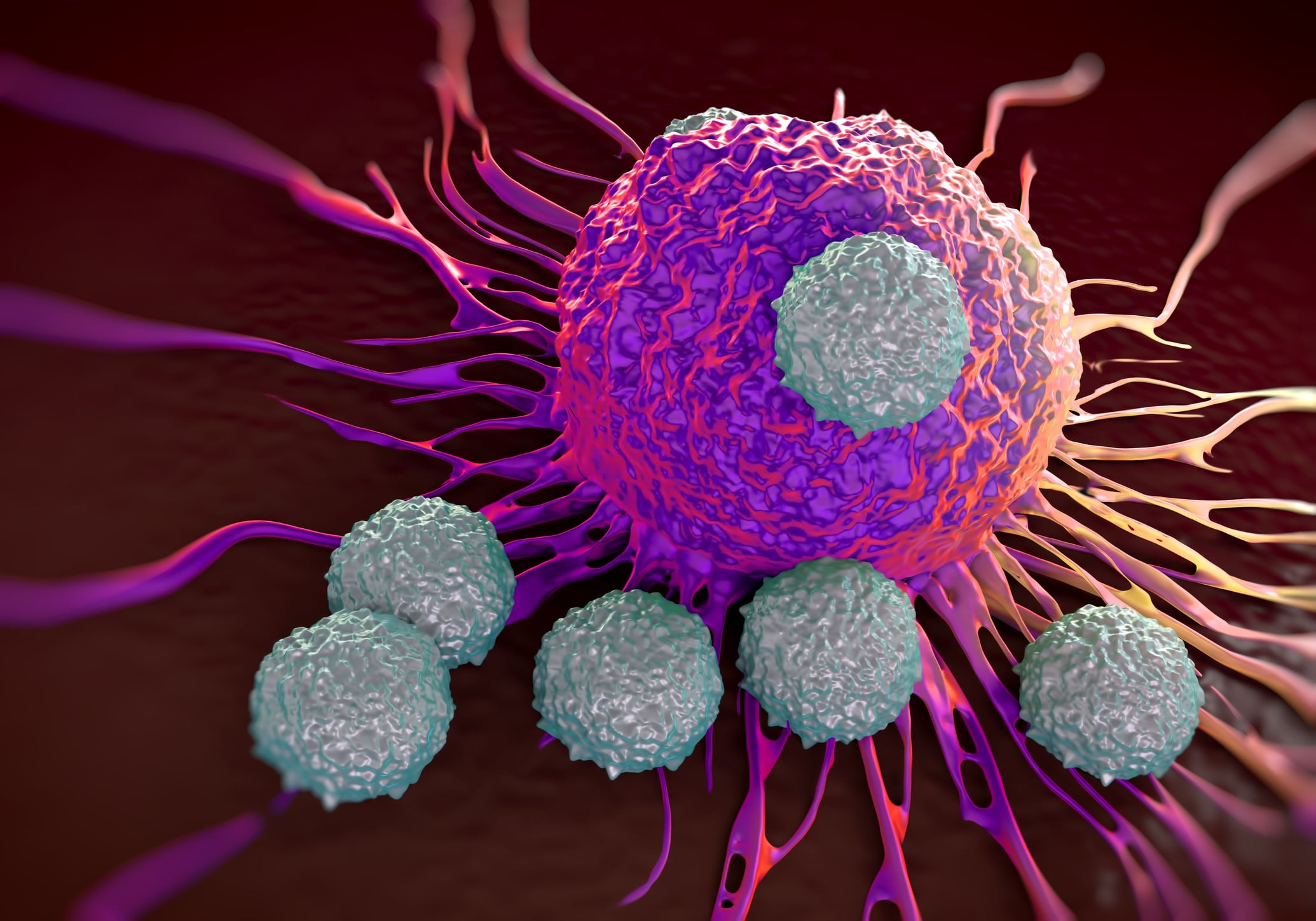
T cells are an important part of our immune system. T helper (Th) cells support and coordinate central functions of the adaptive immune response and thus contribute significantly to the defense against various pathogens and to the control of the body’s own cells. Various specialized Th cell populations, including Th1, Th2 and Th17 cells, have developed to cover the enormous variety of potential pathogens and to be able to react optimally to different conditions. The focus of this article is on a closer look at the Th1 cell population, highlighting differences to other Th cell types.
Autoren
- Jana Koch
- PD Dr. Katja Baerenfaller
Publikation
- InFo ONKOLOGIE & HÄMATOLOGIE
Related Topics
You May Also Like
- Ulcerative colitis: current evidence on anti-inflammatory therapies
Remission induction and maintenance with biologics and JAK-i
- Bronchiectasis
New strategies against neutrophilic inflammation
- IBD in childhood
Pneumococcal vaccination without negative consequences
- Seborrheic Dermatitis in Adults and Adolescents
Current State of Knowledge and New Therapeutic Approaches
- Plastic surgery and reconstructive microsurgery for DFS
Functional limb preservation between infection control, vascular medicine and resurfacing
- Orthobiologics for knee osteoarthritis
PRP and hyaluronic acid injections as building blocks in a multimodal concept
- Soft tissue sarcomas of the lower extremity
Diagnostics, subtypes and treatment options
- Psychological dependence on AI assistants, smartphones and short videos