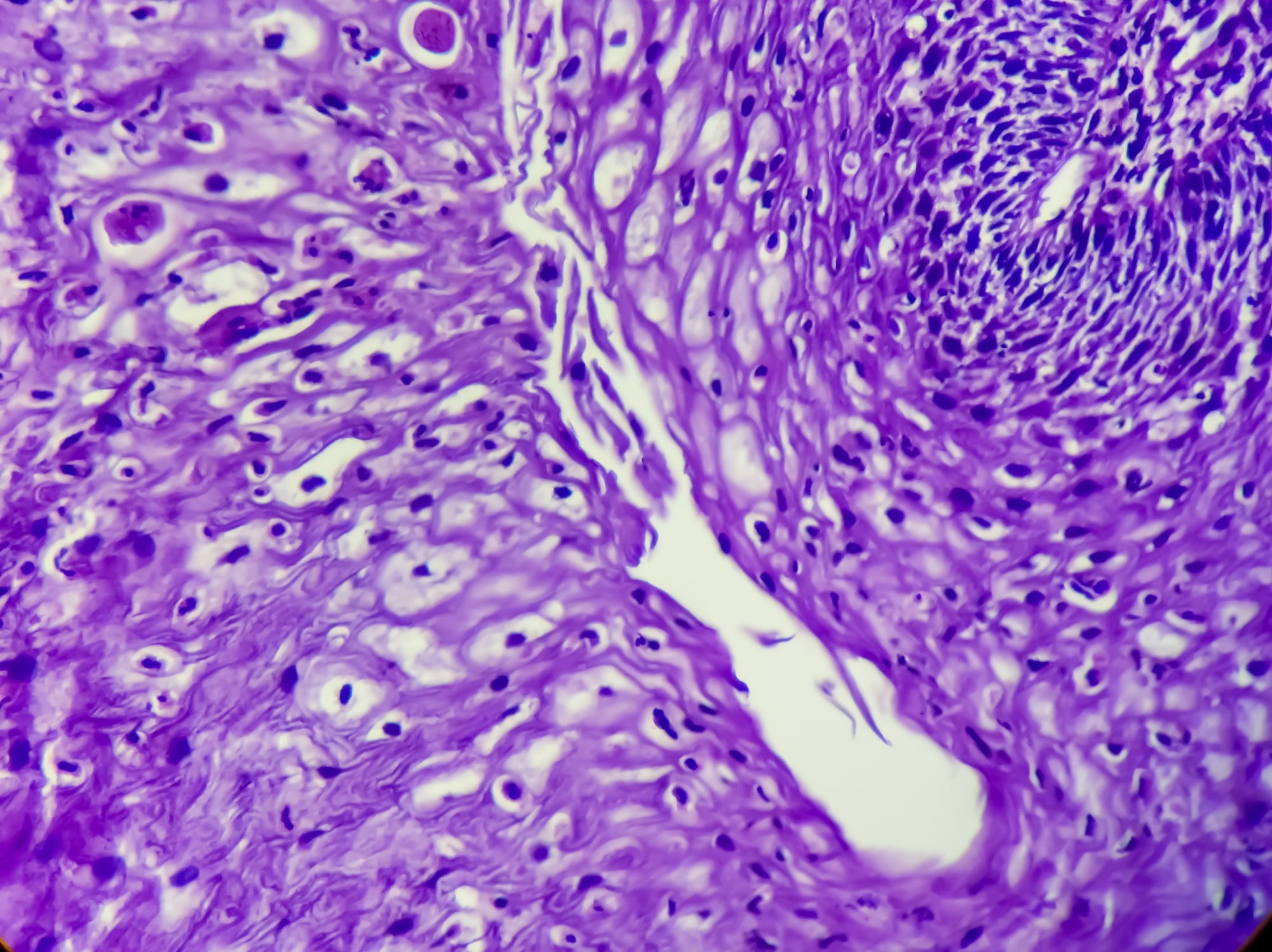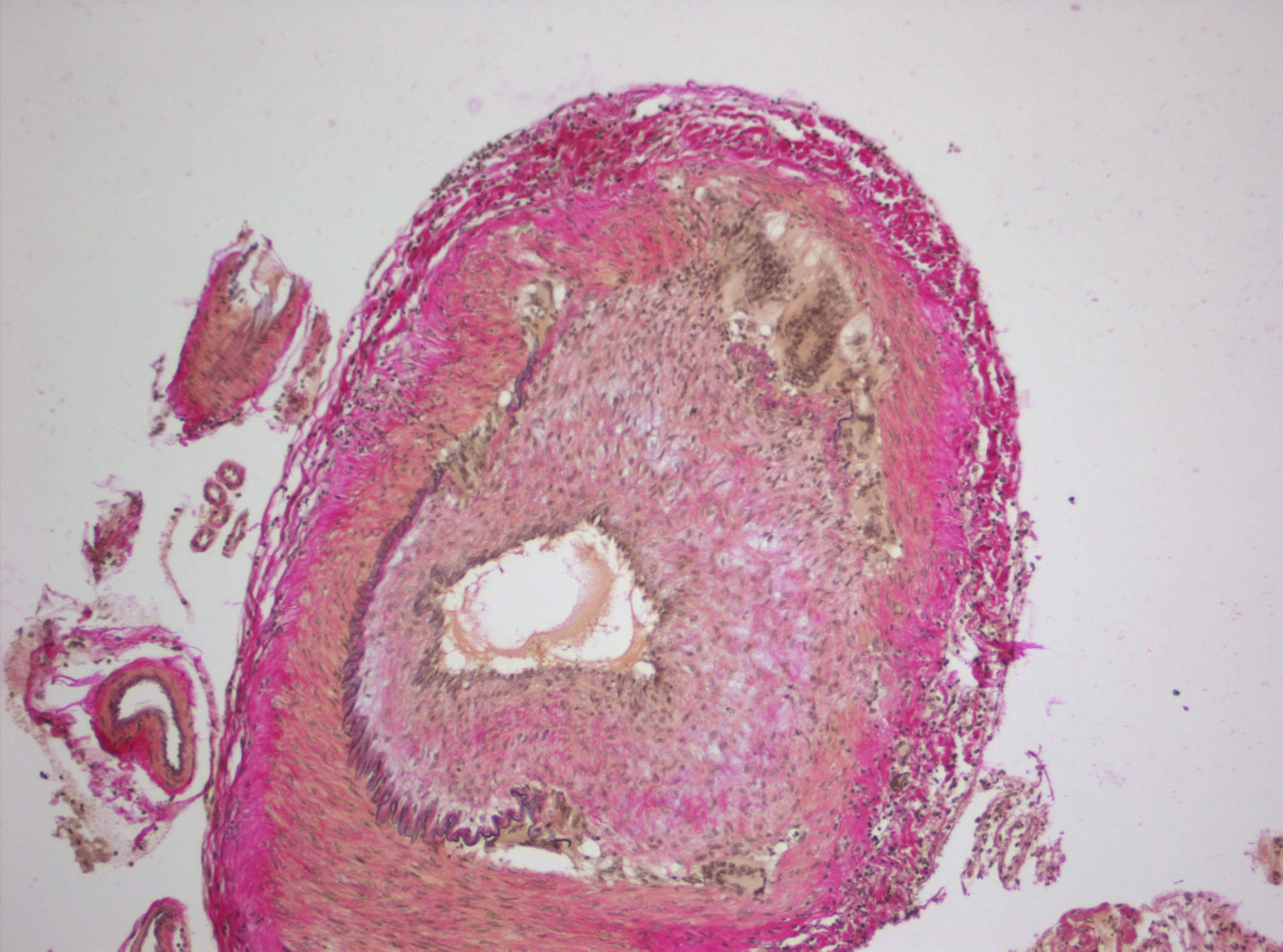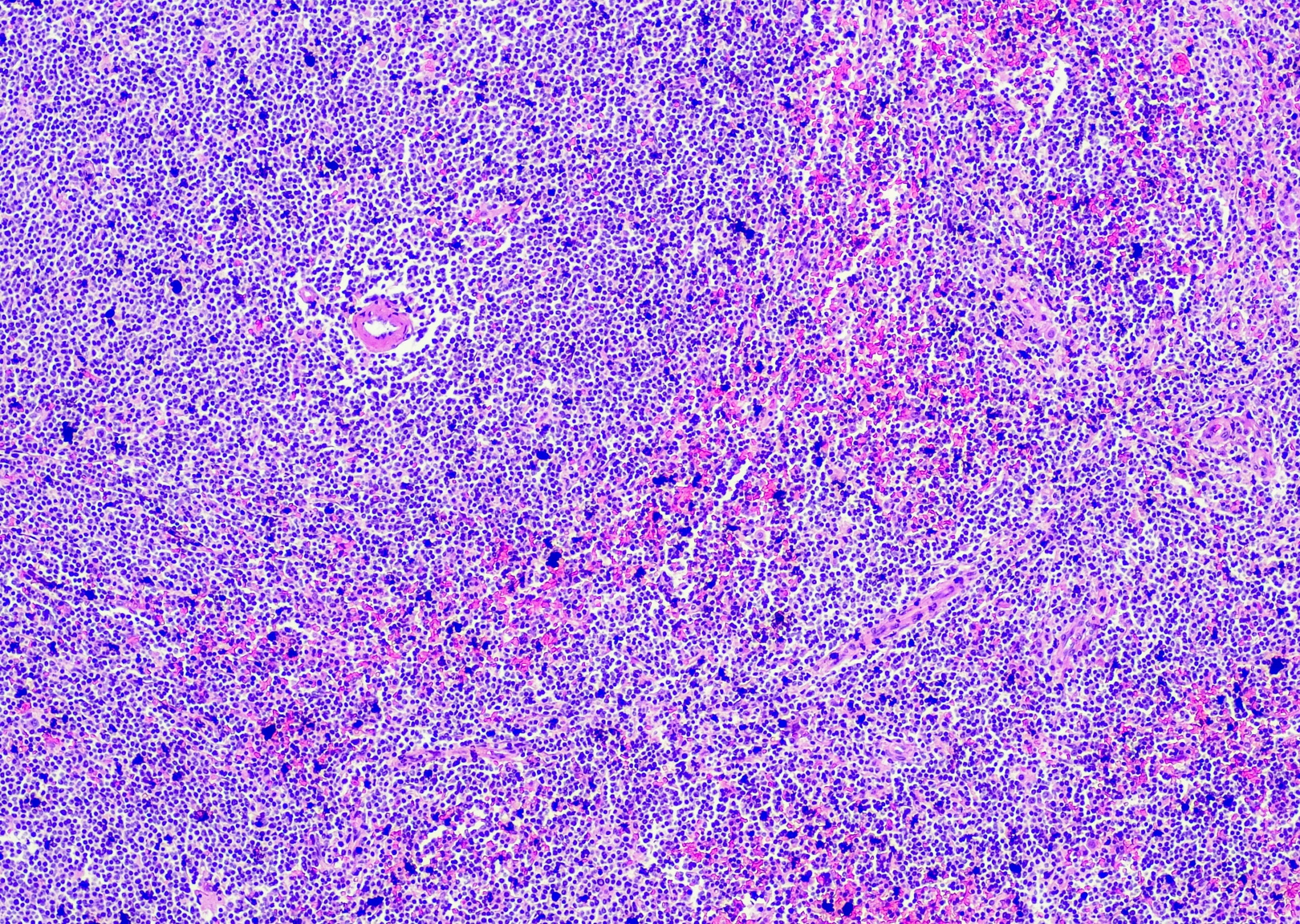
Mantle cell lymphoma (MCL) is a rare B-cell non-Hodgkin’s lymphoma with a markedly heterogeneous course. The spectrum ranges from indolent, slowly progressive forms to highly aggressive variants. Diagnosis and treatment remain challenging, as clinical presentation, molecular markers and treatment response vary greatly. New targeted therapies and international registry projects are increasingly improving the prognosis, even though MCL remains a complex disease.
Autoren
- Dr. oec. Odile Schwarz-Herion
Publikation
- InFo ONKOLOGIE & HÄMATOLOGIE

Related Topics
- Acalabrutinib
- Acalabrutinib
- aggressive MCL
- Autologous stem cell transplantation MCL
- B-cell non-Hodgkin's lymphoma
- BCL2 blockade
- BTK inhibition
- BTK inhibitors
- BTK inhibitors
- BTK inhibition
- CD20 antibody therapy
- Chemo-immunotherapy MCL
- Cyclin D1 overexpression
- EMCL register
- GLOVe scheme
- GLOVe treatment scheme
- heterogeneous course MCL
- Histology
- ibrutinib
- Immunophenotyping
- indolent MCL
- Ki-67 proliferation index
- Mantle cell lymphoma
- MCL
- MCL diagnostics
- MCL prognosis factors
- MCL recurrence
- MCL therapy
- MIPI score
- PET-CT MCL
- Pirtobrutinib
- Pirtobrutinib
- Recurrence after BTK inhibition
- SOX11 status
- t(11;14) translocation
- TP53 mutation MCL
- Zanubrutinib
- Zanubrutinib
You May Also Like
- Case study
Guillain-Barré syndrome with a fulminant course
- Suspicion of neuroborreliosis?
Detection of borrelia-specific CSF parameters provides certainty
- The Brain and the Motivation to Eat
Why is it so hard to lose weight?
- Global Recommendation, Swissmedic Approval, and SL Limitation
WHO Guidelines on GLP-1 for Obesity
- Obesity in Children and Adolescents
Gene-Environment Interactions: Polygenic or Monogenic Determinants?
- From Risk Identification to Anti-Inflammatory Intervention
Inflammation as a Treatment Goal in Its Own Right
- H. pylori infection: current study data
Fewer gastric carcinomas and peptic ulcers after eradication
- From symptom to diagnosis