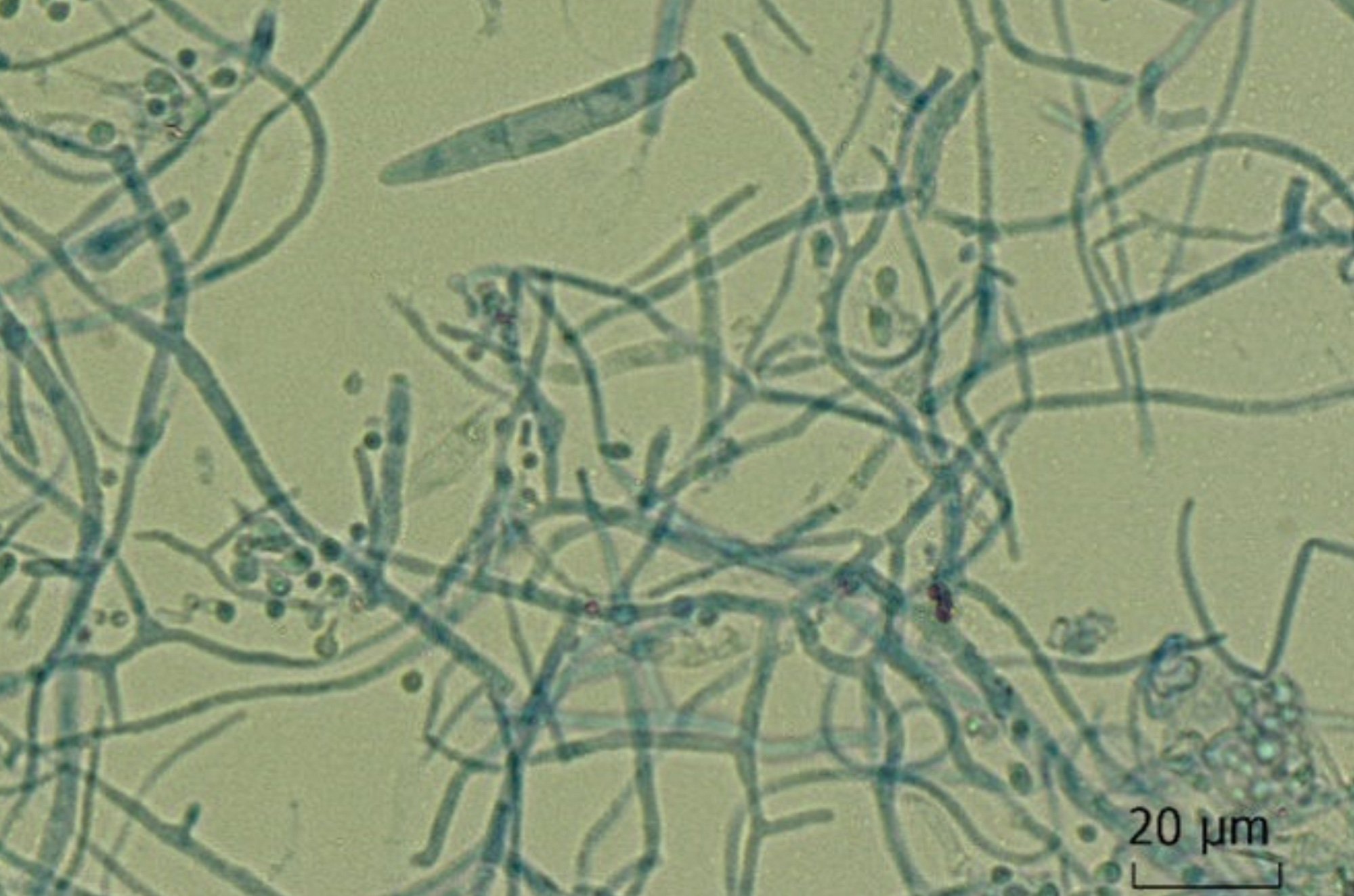
Trichophyton indotineae (T. indotineae) often causes persistent, recurrent skin infections and is spreading worldwide. The fact that the number of cases has also increased in Central Europe in recent years is shown, among other things, by an epidemiological study carried out in Germany. As T. indotineae leads to terbinafine-resistant dermatophytoses, timely molecular biological detection of the pathogen is of crucial importance. Itraconazole is currently the most effective drug against dermatophytoses caused by T. indotineae.
Autoren
- Mirjam Peter, M.Sc.
Publikation
- DERMATOLOGIE PRAXIS

Related Topics
You May Also Like
- Geriatric patients
Micronutrient Intake in Older Adults
- Crohn's disease: focus on long-term results
“Top-down” approach or classic step therapy?
- SwissDiab Study: New Analysis Published
How are diabetes complications associated with quality of life?
- Pre-acclimatization on Mount Everest
Exploring the physiological limits
- Viloxazine for ADHD
A non-stimulating option—but with limited evidence
- Preclinical study on phytotherapeutic agent
Active ingredient combination of peppermint and caraway oil modified fecal microbiota
- Casuistry
Rituximab used effectively against IgG4-RD colitis
- Sarcoidosis