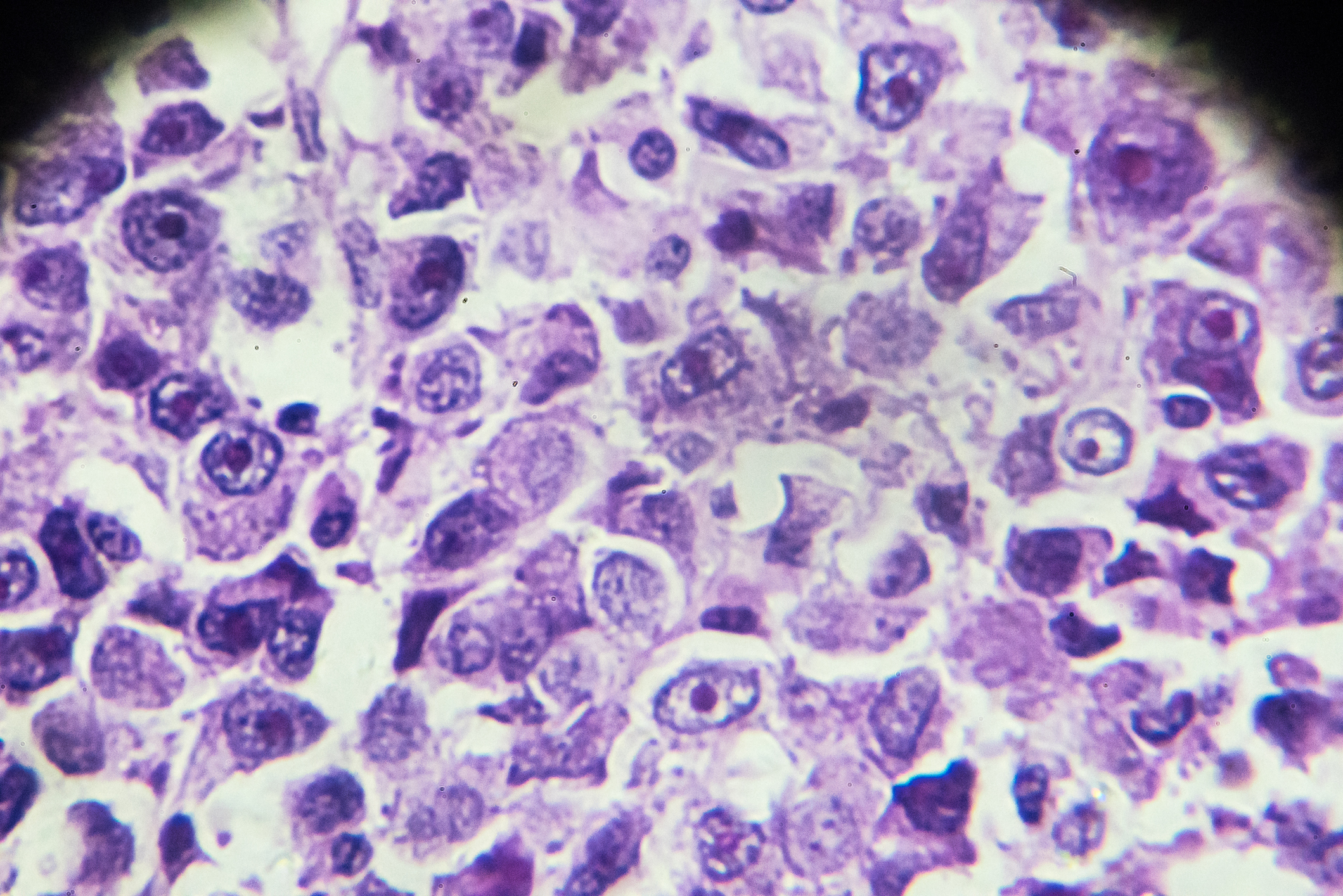
Acute myocardial infarction is now considered more treatable than ever. However, despite optimized reperfusion, modern pharmacotherapies and improved care systems, one risk remains that is underestimated in many clinical procedures: the development of new heart failure after surviving an infarction. A recent analysis by a large US healthcare system shows that post-infarction heart failure occurs more frequently than a new myocardial infarction – and significantly affects the prognosis of those affected.
You May Also Like
- Biophilic Design of Work Environments
Effects on Health, Well-Being, and Productivity
- From symptom to diagnosis
Intrapelvic mass with an ambiguous differential diagnosis
- Endocrinology: APECED-Associated Hypoparathyroidism
A parathyroid hormone analog corrected serum calcium levels
- Transient ischemic attack
Comprehensive diagnostic testing can reduce the risk of stroke
- Malignant Tumors of the Clavicle
Surgical Challenges and Recurrence Patterns
- Chronic hand eczema: common, long-lasting, and distressing
Non-steroidal anti-inflammatory treatment options are essential for long-term management
- Alcohol Consumption While Taking Semaglutide
Withdrawal Symptoms Thanks to GLP-1 RA?
- Why Echocardiography Has Redefined the Clinical Picture