This content is machine translated From Hypertension to Heart Failure? When and how to intervene High blood pressure and hypertensive heart disease are the most significant risk factors for heart failure. The symptoms are very nonspecific, especially in the early stages of heart failure. Measuring...…
View Post 13 min This content is machine translated What the latest studies on the entire EF spectrum mean for clinical practice Heart Failure – The 2026 Evidence Update Since the release of the 2021 ESC guidelines and the 2022 AHA/ACC/HFSA guidelines, research on heart failure has reached a remarkable level of intensity. Nonsteroidal mineralocorticoid receptor antagonists and incretin-based...…
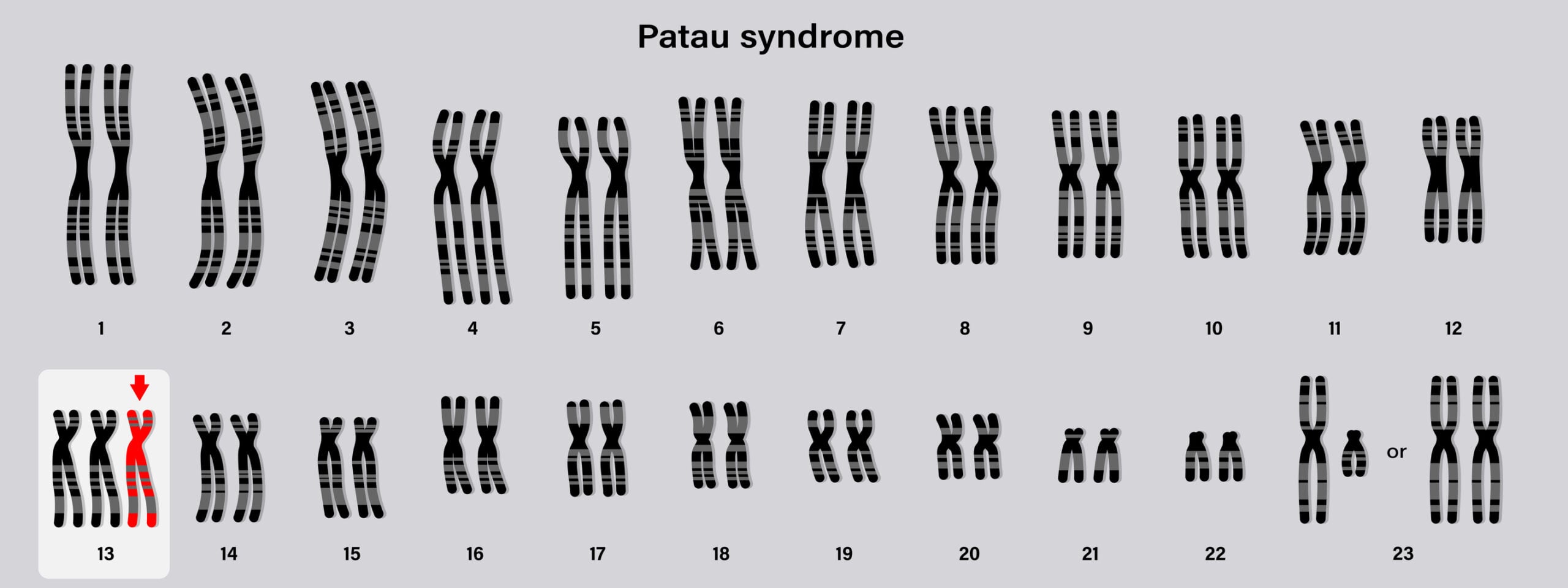
View Post 7 min This content is machine translated Case study 8-year-old girl with Pätau syndrome aka trisomy 13 The median survival time for live-born children with complete trisomy 13 without medical intervention is 7-10 days. Over 90% of affected newborns die in the first year of life. Risk...…
View Post 5 min This content is machine translated SGLT2 inhibitors Clear, simple language improves patient safety Sodium-glucose cotransporter 2 inhibitors (SGLT2i) were initially indicated as blood glucose-lowering drugs for type 2 diabetes. They are now widely used as first-line therapies for various indications, particularly heart failure...…
View Post 2 min This content is machine translated High-dose influenza vaccine Lower hospitalization rates – even with heart failure The results of a pre-specified exploratory analysis of the DANFLU-2 study indicate that the administration of a high-dose inactivated influenza vaccine could provide additional protection in patients with cardiovascular disease....…
View Post 5 min This content is machine translated Heart failure: combination of four as "Guideline-Directed Medical Therapy" Standard established at HFrEF with individual nuances The modern treatment of heart failure is characterized by early intervention, multidimensional care and extended therapy options. Around half of all heart failure patients have a reduced left ventricular ejection...…
View Post 5 min This content is machine translated Underestimated risk - findings from a US cohort Heart failure after myocardial infarction Acute myocardial infarction is now considered more treatable than ever. However, despite optimized reperfusion, modern pharmacotherapies and improved care systems, one risk remains that is underestimated in many clinical procedures:...…
View Post 6 min This content is machine translated Dapagliflozin for T2D and heart failure Epicardial fat reduced in patients with type 2 diabetes and HF The co-occurrence of heart failure (HF) and diabetes leads to a higher risk of complications, higher mortality and worse outcomes than either disease alone. Studies have shown the importance of...…
View Post 9 min This content is machine translated Type 2 diabetes and heart failure: a bidirectional relationship Proactive preventive measures can reduce the burden of disease Heart failure and diabetes mellitus are two of the greatest global health burdens and their prevalence is steadily increasing. At the same time, heart failure is becoming one of the...…
View Post 8 min This content is machine translated HFpEF 2025 Precision medicine and phenotypes In 2025, heart failure with preserved ejection fraction (HFpEF) is less than ever a single clinical picture – it is an umbrella over many phenotypes with different triggers, pathomechanisms and...…
View Post 4 min This content is machine translated Journal Club: Drinking restriction in heart failure First large-scale study found no differences Patients with heart failure are often recommended to drink a maximum of 1.5 liters of fluid per day. However, the benefits of this measure have hardly been scientifically proven to...…