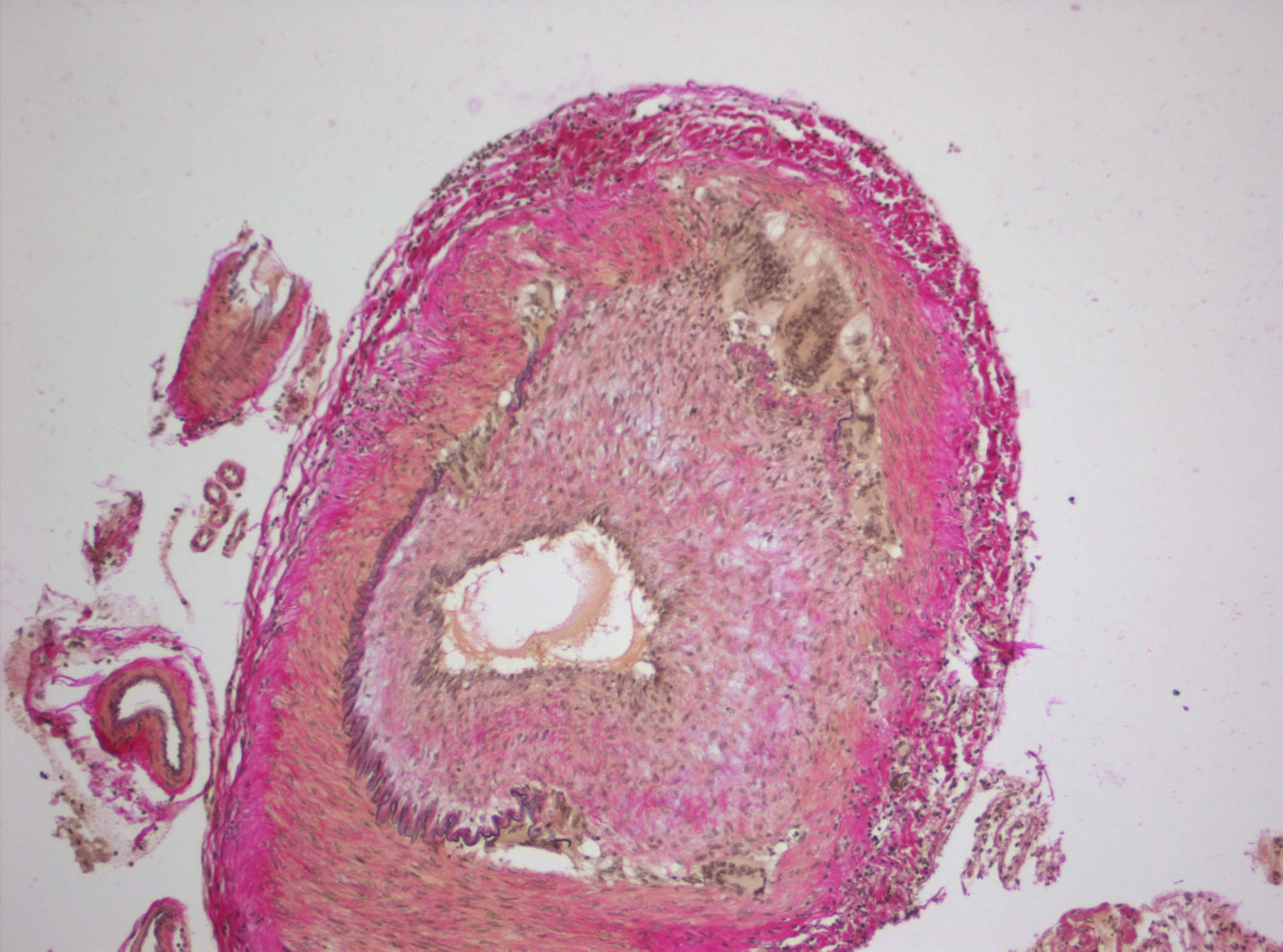
High blood pressure and hypertensive heart disease are the most significant risk factors for heart failure. The symptoms are very nonspecific, especially in the early stages of heart failure. Measuring the peptide hormones BNP and NT-proBNP as cardiac markers can be informative—if levels are elevated, additional tests, such as an echocardiogram, are recommended. Today, there are highly effective medications available for patients with heart failure that have been proven to improve the prognosis.
Autoren
- Mirjam Peter, M.Sc.
Publikation
- HAUSARZT PRAXIS

Related Topics
You May Also Like
- cSCC: Personalizing Treatment Strategies and Follow-up Care Plans
Comprehensive risk stratification is no simple matter: what’s new?
- Baxdrostat – a new class of drugs for treating difficult-to-control hypertension
First Aldosterone Synthase Inhibitor Is Here
- Geriatric Small-Cell Lung Cancer
Therapeutic Challenges
- Chronic Pruritus in Renal, Hepatic, and Biliary Tract Diseases
Pooled Expertise for Targeted Evaluation and Treatment
- Advanced Thyroid Cancer
Molecular Mechanisms and New Therapeutic Approaches
- Epidermolysis bullosa
Promoting Wound Healing with Gene Therapies and Birch Bark Extract
- From Risk Identification to Anti-Inflammatory Intervention
Inflammation as a Treatment Goal in Its Own Right
- Psoriasis Research: What's in the Pipeline?