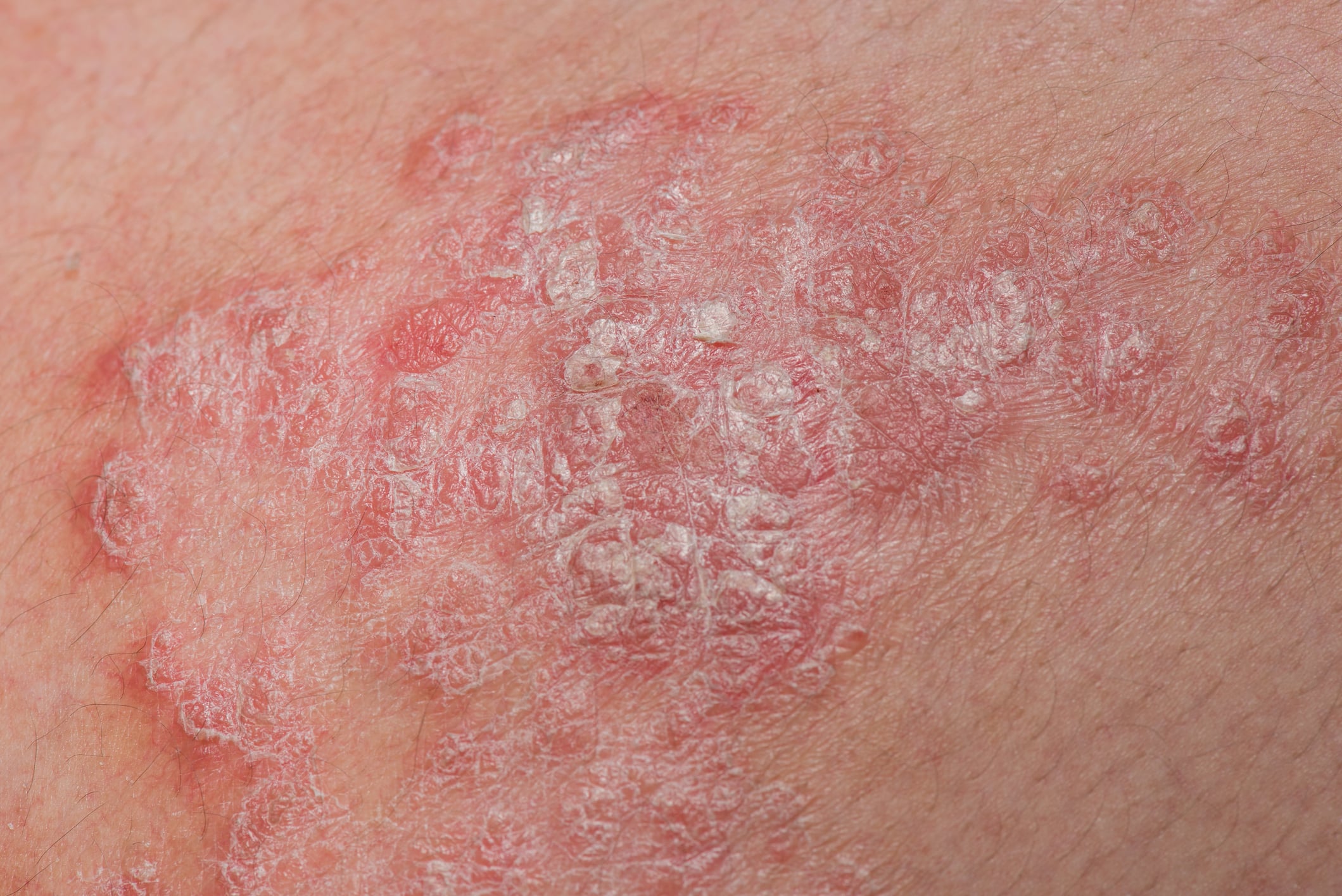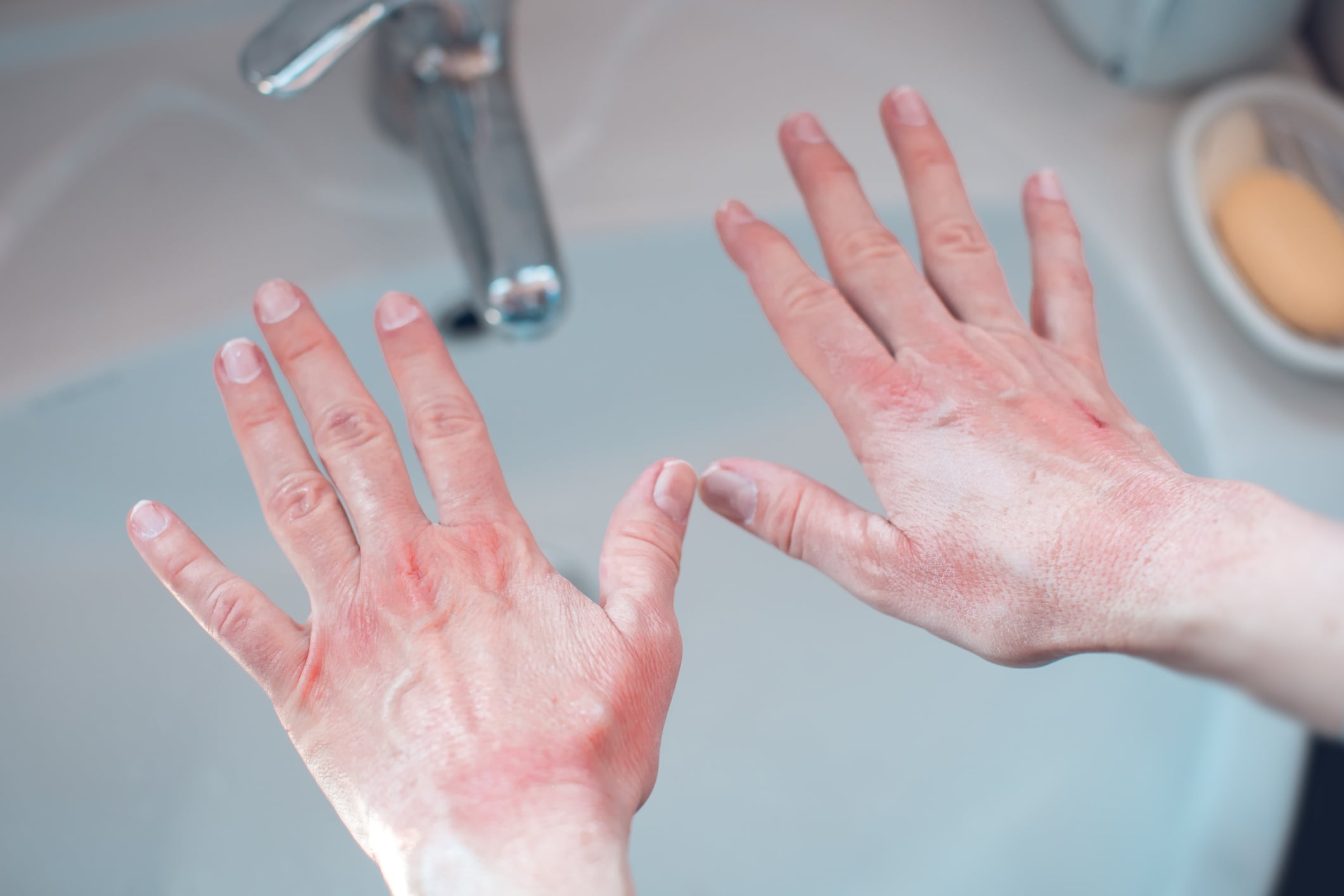
Results of recent studies indicate that greater vitiligo involvement, particularly in visible areas such as the head and arms, is associated with a lower quality of life. The fact that ruxolitinib cream is effective and safe for non-segmental vitiligo – even when affecting the face – has now also been proven in a real-world setting. There are also new data on the combined use of ruxolitinib and phototherapy (NB-UVB). Research is also focusing on new drug candidates, including afamelanotide and bimatoprost.
Autoren
- Mirjam Peter, M.Sc.
Publikation
- DERMATOLOGIE PRAXIS

Related Topics
You May Also Like
- What biomarkers reveal about "biological youth" - and what not (yet)
Epigenetic ageing
- Amyotrophic lateral sclerosis and nutrition
Calorie optimization in ALS through digital intervention
- "Forgotten axis" between plant substances, gut and systemic health
Microbiome and phytotherapy
- HIV: updated EACS guideline
Individualized approach to sustainable prevention and care
- Evidence-based diagnostics and treatment in the medical setting
Anxiety and depression disorders in adolescence
- Neuroenhancement
Can you swallow intelligence? Relevant substance classes times for healthy people
- Microbiome, inflammaging and affective/cognitive health
Gut-brain axis in old age
- Vitiligo - the level of suffering should not be underestimated