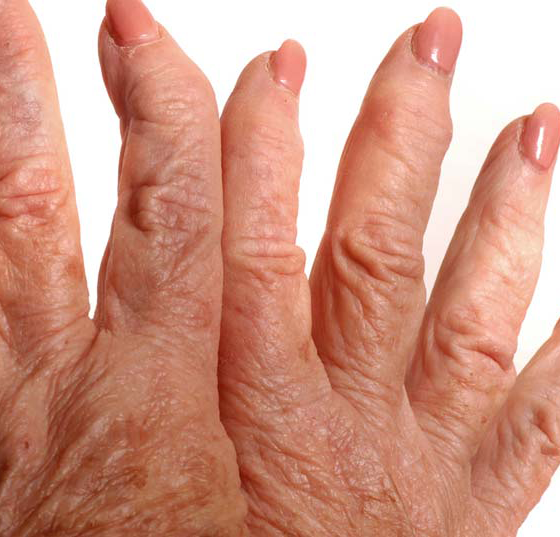
This content is machine translated RA in over 70s bDMARDs and JAK inhibitors with lower risk of infection compared to baseline therapy. In clinical practice, older rheumatoid arthritis patients tend to receive treatment with biologics (bDMARDs) less frequently than younger patients, although the use of conventional basic therapeutics is often not appropriate…
View Post 5 min This content is machine translated Biologics and JAK inhibitors New insights for RA therapy There are now four approved JAK inhibitors in Europe: tofacitinib, baricitinib, upadacitinib and filgotinib. While there has not been much news to report on the first two in the past…
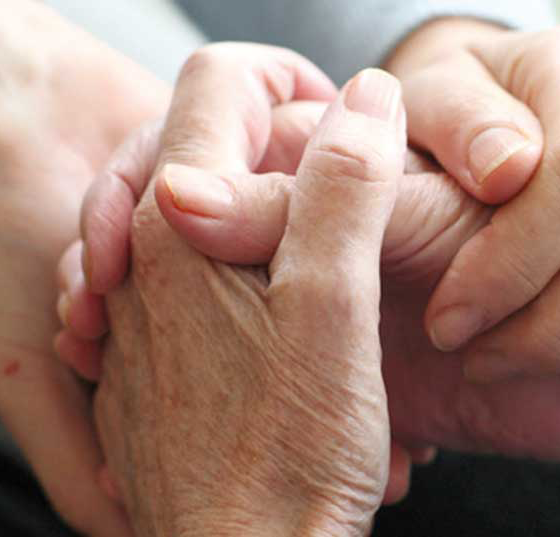
View Post 6 min This content is machine translated The Parkinson therapy in the very old Age does not make it better Although old age is not typical for PD and there are also young patients, the disease has always been associated with elderly people. Sufferers also often have to contend with…
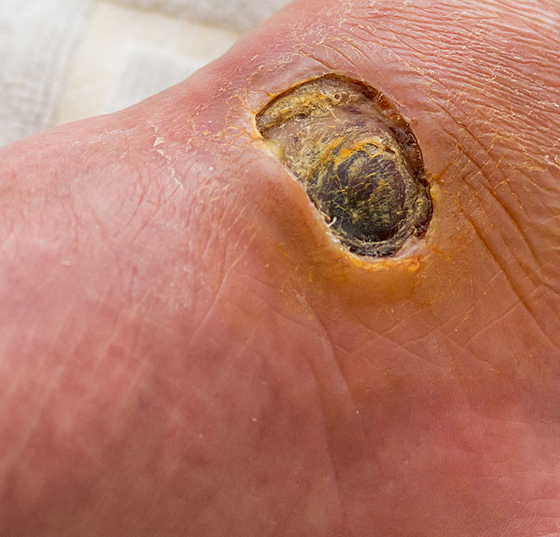
View Post 3 min This content is machine translated Chronic wounds Cold plasma promotes wound healing in diabetic foot ulcers A study showed that treatment of diabetic foot ulcers with cold atmospheric plasma improves oxygen and nutrient supply to damaged tissue layers, stimulates blood flow and activates wound healing. This…
View Post 4 min This content is machine translated Dementia Research Synergistic effects of ginkgo biloba extract and donepezil The efficacy of Ginkgo biloba extract and donepezil in promoting cognitive performance has been empirically demonstrated. Individual studies also support the hypothesis that an additional benefit can be achieved through…
View Post 4 min This content is machine translated Palliative care in geriatrics Talk to patients and relatives! One of the most common complaints in very elderly patients in need of care is dyspnea. Pharmacological as well as non-pharmacological options are available to provide relief to sufferers. However,…
View Post 4 min This content is machine translated Management of dyslipidemia Lipid-lowering agents for secondary prophylaxis also effective in elderly patients A recent meta-analysis published in the Lancet concluded that lipid lowering achieved comparable reductions in cardiovascular events in people over 75 years of age as in younger individuals. In elderly…
View Post 10 min This content is machine translated Rheumatism 2021 News from basic research Some important and interesting studies in the field of rheumatology in the last year are summarized. As in all fields, technical and analytical capabilities are accelerating exponentially in basic research.… CME-Test
View Post 3 min This content is machine translated Lipid Management Secondary prevention effective and safe even in elderly patients Elderly patients >75 years of age with existing atherosclerotic cardiovascular disease should be subjected to effective lipid lowering after considering their health status and with the help of regular follow-up.…
View Post 12 min This content is machine translated Heart failure Physical training in patients with HFrEF and HFpEF. The increasing prevalence of heart failure is a major medical and economic problem. The number of patients hospitalized for heart failure has been increasing for years. The clinical picture of… CME-Test
View Post 4 min This content is machine translated Blood pressure reduction How low for over 80s and frailty? In antihypertensive therapy in the 80-plus age group, it is important to weigh risk and benefit individually and not to treat strictly according to target values. Frailty (“frailness”) is an…