This content is machine translated Why the Finerenon Boom Is Giving Hyperkalemia Treatment New Relevance Potassium binders as enablers of RAASi optimization Renin-angiotensin-aldosterone system (RAAS) inhibitors—including mineralocorticoid receptor antagonists (MRAs)—are among the most effective tools in cardiorenal medicine. However, their benefits are often undermined in everyday clinical practice because fear of hyperkalemia...…
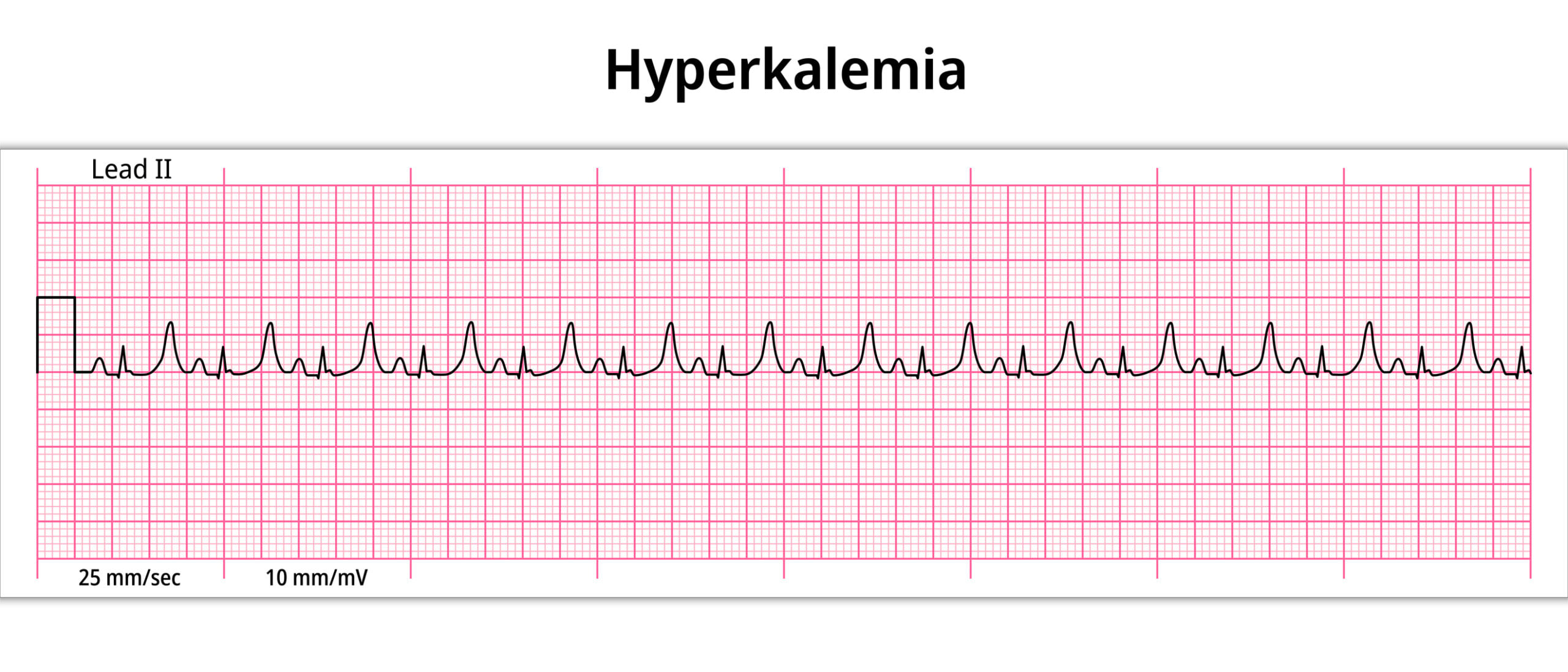
View Post 5 min This content is machine translated Electrolyte disorders Potassium binders keep hyperkalemia in check When excess potassium becomes severe, life-threatening cardiac arrhythmias can result. In particular, renal insufficiency, cardiac insufficiency and diabetes, as well as certain medications, favor the development of hyperkalemia. Treatment with…
View Post 2 min This content is machine translated Hyperkalemia Hyperkalemia from a nephrological and cardiological point of view. Patients with cardiac and/or renal insufficiency often experience electrolyte imbalance, which in many cases is life-threatening. Hyperkalemia can be caused by the underlying disease itself, but also by its treatment…
View Post 3 min This content is machine translated Hyperkalemia How the Guideline Comes to the Bedside: Hyperkalemia Management Up to Date Patients with chronic heart or kidney failure often suffer from hyperkalemia. The use of RAAS inhibitors in particular may increase the risk of this life-threatening electrolyte disturbance. Therefore, therapy of…
View Post 5 min This content is machine translated East Switzerland Emergency Symposium, St. Gallen Drug interactions – when does it get dangerous? Drug interactions can end dangerously. Family physicians in particular have a lot to do with multimorbid elderly patients. Interactions of the most common drugs should therefore be known.