Medizinonline Medizinonline
  • News
    • News
    • Market & Medicine
  • Patients
    • Disease patterns
    • Diagnostics
    • Therapy
  • Partner Content
    • Dermatology
      • Atopic dermatitis and psoriasis news
    • Diabetes
      • Dia-Month Club – Type 2 Diabetes
      • Diabetes in Motion
      • Diabetes Podcasts
    • Gastroenterology
      • IBD matters
    • Oncology
      • Swiss Oncology in motion
    • Orthopedics
      • Osteoporosis in motion
  • Departments
    • Allergology and clinical immunology
    • General Internal Medicine
    • Anesthesiology
    • Angiology
    • Surgery
    • Dermatology and venereology
    • Endocrinology and Diabetology
    • Nutrition
    • Gastroenterology and Hepatology
    • Genetics
    • Geriatrics
    • Gynecology
    • Hematology
    • Infectiology
    • Cardiology
    • Nephrology
    • Neurology
    • Emergency and intensive care medicine
    • Nuclear Medicine
    • Oncology
    • Ophthalmology
    • ORL
    • Orthopedics
    • Pediatrics
    • Pharmacology and toxicology
    • Pharmaceutical medicine
    • Phlebology
    • Physical medicine and rehabilitation
    • Pneumology
    • Prevention and health care
    • Psychiatry and psychotherapy
    • Radiology
    • Forensic Medicine
    • Rheumatology
    • Sports Medicine
    • Traumatology and trauma surgery
    • Tropical and travel medicine
    • Urology
    • Dentistry
  • CME & Congresses
    • CME continuing education
    • Congress Reports
    • Congress calendar
  • Practice
    • Noctimed
    • Practice Management
    • Jobs
    • Interviews
  • Log In
  • Register
  • My account
  • Contact
  • Publications
  • Contact
  • Deutsch
  • English
  • Français
  • Italiano
  • Português
  • Español
Subscribe
Medizinonline Medizinonline
  • News
    • News
    • Market & Medicine
  • Patienten
    • Krankheitsbilder
    • Diagnostik
    • Therapie
  • Partner Content
    • Dermatology
      • Atopic dermatitis and psoriasis news
    • Diabetes
      • Dia-Month Club – Type 2 Diabetes
      • Diabetes in Motion
      • Diabetes Podcasts
    • Gastroenterology
      • IBD matters
    • Oncology
      • Swiss Oncology in motion
    • Orthopedics
      • Osteoporosis in motion
    • Phytotherapie
    • Rheumatology
  • Departments
    • Fachbereiche 1-13
      • Allergology and clinical immunology
      • General Internal Medicine
      • Anesthesiology
      • Angiology
      • Surgery
      • Dermatology and venereology
      • Endocrinology and Diabetology
      • Nutrition
      • Gastroenterology and Hepatology
      • Genetics
      • Geriatrics
      • Gynecology
      • Hematology
    • Fachbereiche 14-26
      • Infectiology
      • Cardiology
      • Nephrology
      • Neurology
      • Emergency and intensive care medicine
      • Nuclear Medicine
      • Oncology
      • Ophthalmology
      • ORL
      • Orthopedics
      • Pediatrics
      • Pharmacology and toxicology
      • Pharmaceutical medicine
    • Fachbereiche 26-38
      • Phlebology
      • Physical medicine and rehabilitation
      • Phytotherapy
      • Pneumology
      • Prevention and health care
      • Psychiatry and psychotherapy
      • Radiology
      • Forensic Medicine
      • Rheumatology
      • Sports Medicine
      • Traumatology and trauma surgery
      • Tropical and travel medicine
      • Urology
      • Dentistry
  • CME & Congresses
    • CME continuing education
    • Congress Reports
    • Congress calendar
  • Practice
    • Noctimed
    • Practice Management
    • Jobs
    • Interviews
Login

Sie haben noch keinen Account? Registrieren

  • Anti-infectives

Recognize and adequately treat COVID-19 associated aspergillosis.

    • Education
    • General Internal Medicine
    • Infectiology
    • News
    • Pneumology
    • RX
    • Studies
  • 3 minute read

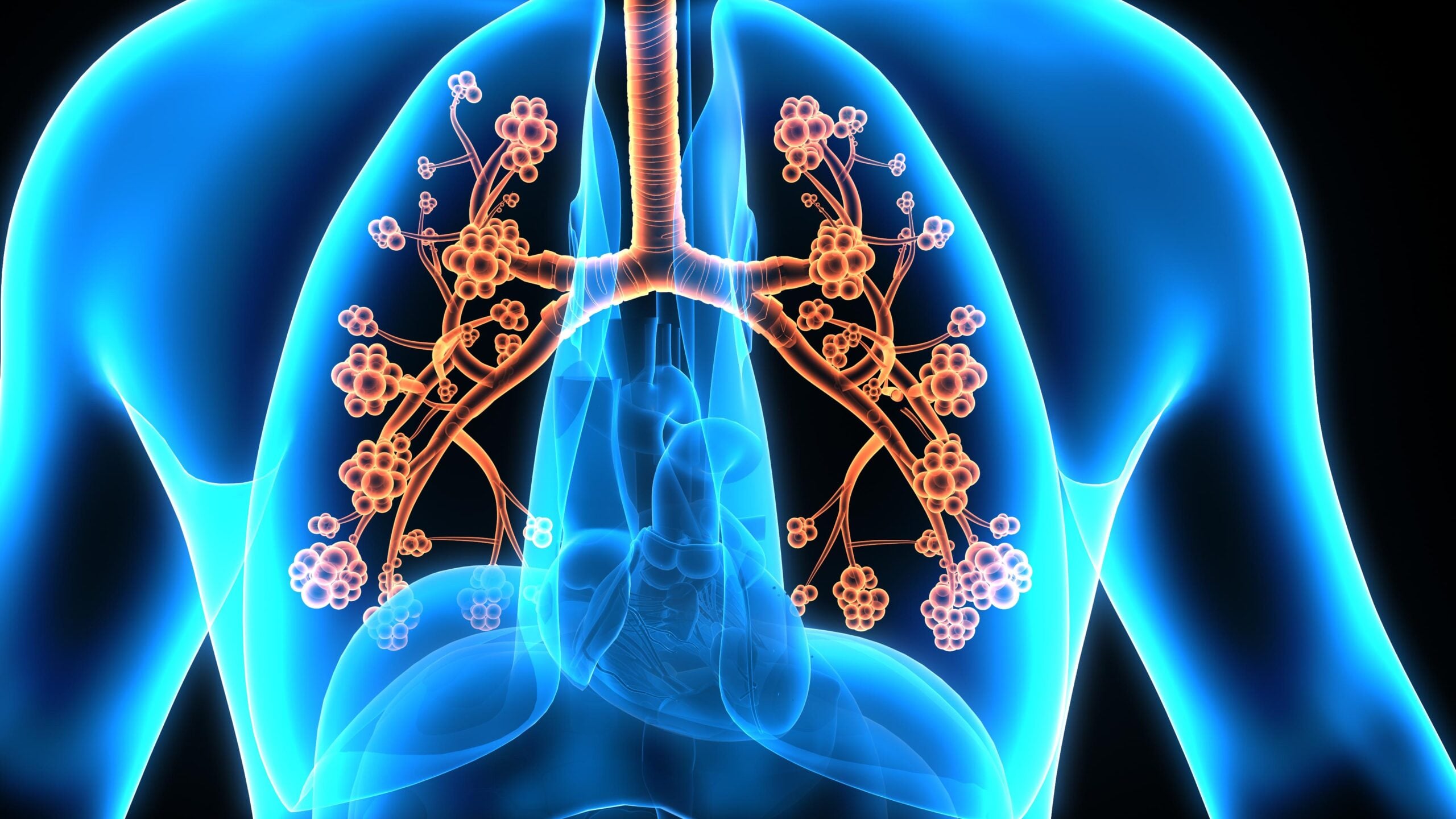
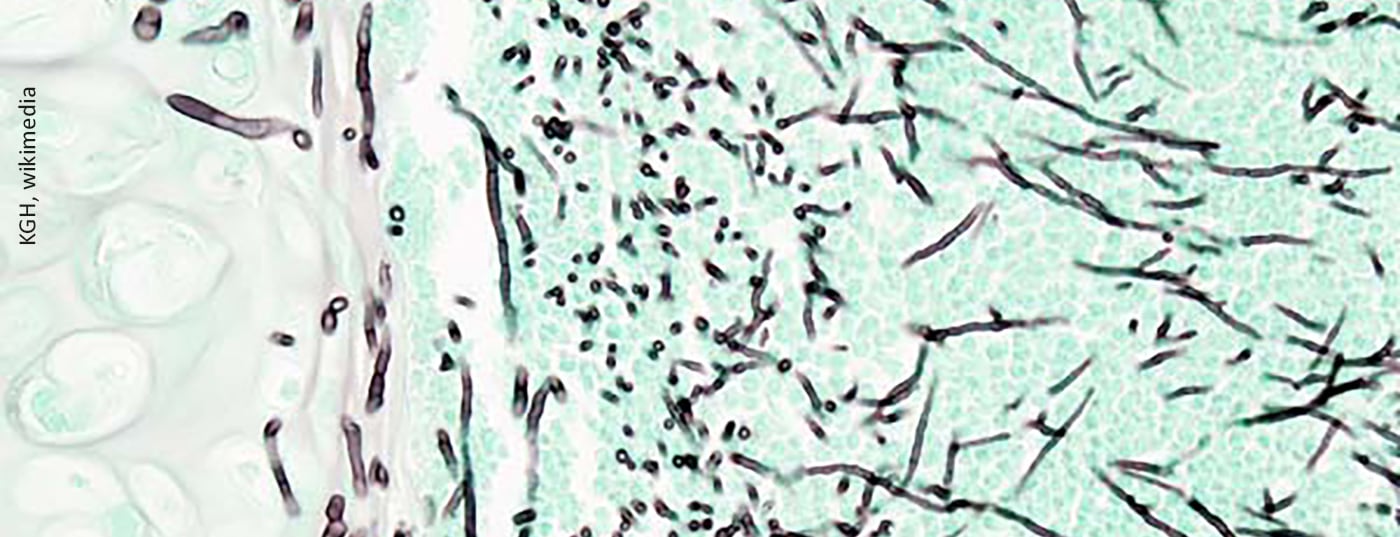
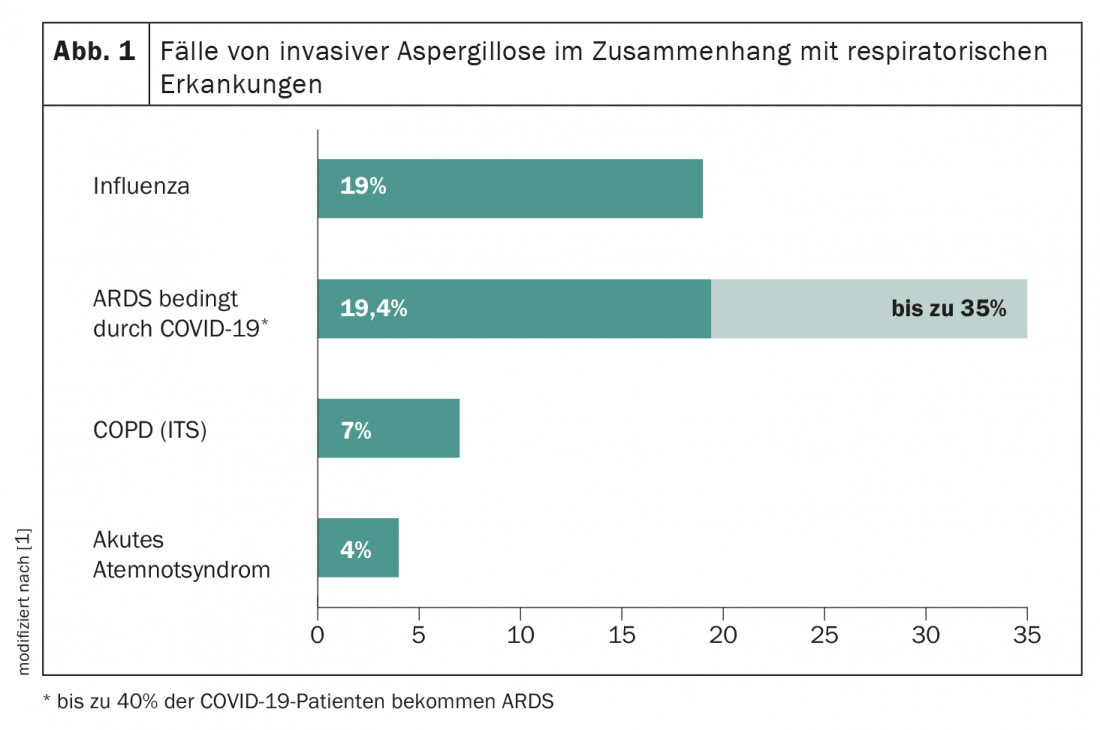
Corona is not alone in having respiratory problems. Invasive pulmonary aspergillosis may also be clustered – usually very rapidly. Therefore, increased attention to this clinical picture is required, especially in COVID-19 patients with ARDS, in order to be able to take appropriate measures regarding diagnosis and therapy at an early stage.

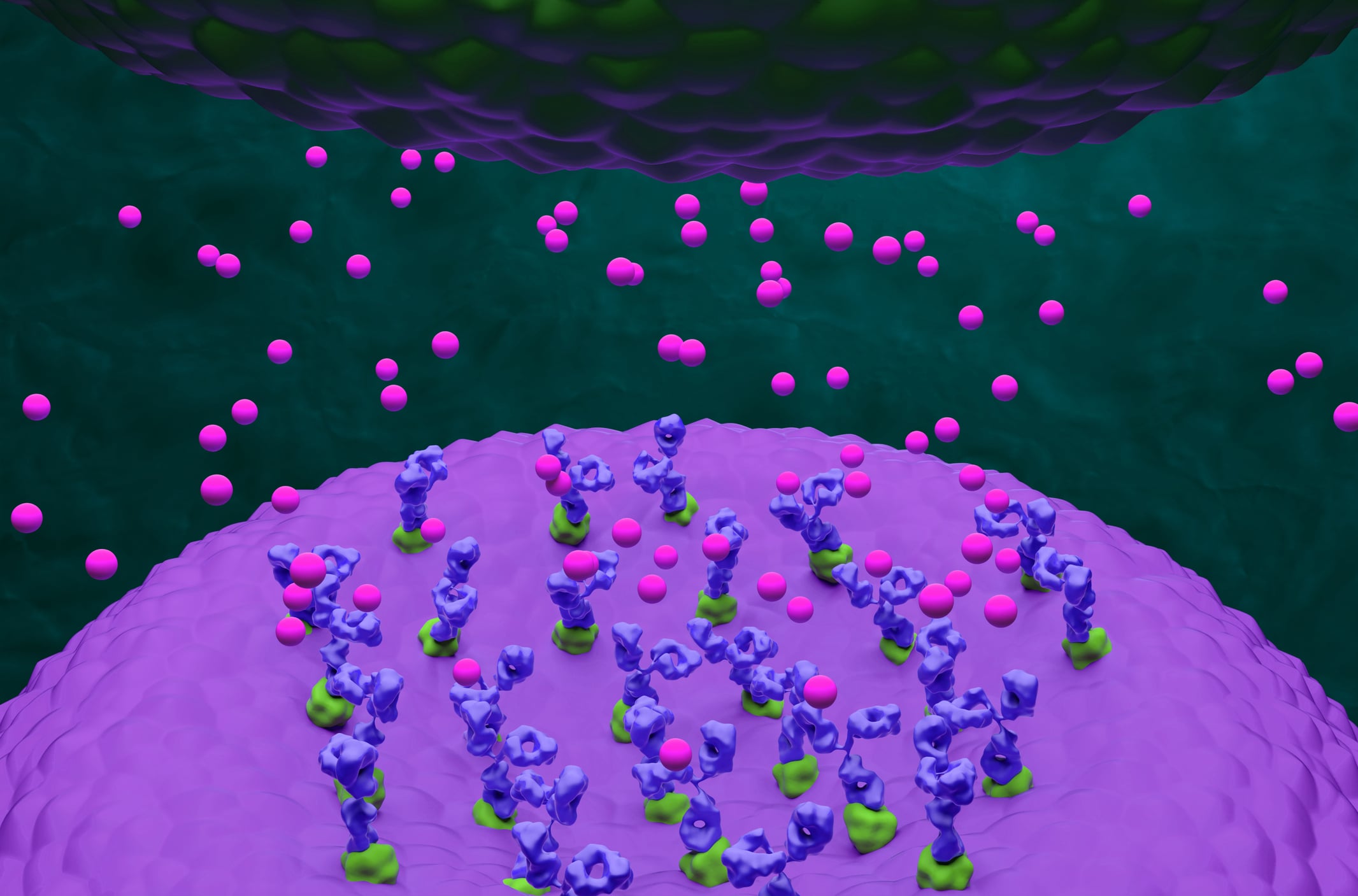
Recent studies suggest that 35% of corona patients with Acute Respiratory Distress Syndrome (ARDS) develop COVID-19 associated invasive pulmonary aspergillosis (CAPA). Deciphering the complex pathogenesis of CAPA requires a molecular understanding of the physiological processes by which infection with SARS-CoV-2 facilitates fungal pathogenesis. Similar to other SARS coronaviruses, SARS-CoV-2 attacks and invades epithelial cells and type II pneumocytes by binding the SARS spike protein to angiotensin-converting enzyme-2 (ACE2) receptors. Cleavage of the S1/S2 domain by the type 2 transmembrane protease TMPRSS2 leads to activation of the spike protein, facilitating entry of the virus into the target cell via ACE2. In addition to its role as a SARS virus receptor, ACE2 has also been shown to be required for protection against severe acute lung injury in ARDS. This is supported by an insertion/deletion polymorphism that affects ACE activity and is associated with susceptibility to ARDS and its outcome. Whether the preceding interaction of SARS-CoV-2 with host cells contributes to the development of CAPA by disrupting the regulation of the renin-angiotensin system and/or the kallikrein-kinin system is unknown.

The release of hazard-associated molecular patterns during severe COVID-19 infection results in both lung epithelial damage and inflammatory disease, which are predisposing risk factors for pulmonary aspergillosis. Moreover, collateral effects of host recognition pathways required for activation of antiviral immunity may paradoxically contribute to a highly permissive inflammatory environment that favors fungal pathogenesis.


Do not take CAPA lightly

Risk factors that may promote CAPA include age, male sex, hypertension, acute or chronic renal failure, COPD, and use of β-lactamase inhibitors or corticosteroids. Most often, Aspergillus co-infection occurs in the first four days after COVID-19 diagnosis. Therefore, diagnostic measures for invasive aspergillosis should be initiated in critically ill patients with progressive disease. But diagnosing CAPA remains difficult. Most importantly, because galactomannan examination of bronchoalveolar lavage fluid and culture, which are the most sensitive diagnostic tests for aspergillosis in the ICU, are hampered by the fact that bronchoscopies are rarely performed in COVID-19 patients because of the risk of disease transmission. Autopsies are also rarely performed, which may lead to an underestimation of the prevalence of CAPA.

Effective therapy management desired

Although it is currently unknown whether antifungal treatment of COVID-19-associated CAPA results in a survival benefit, diagnosis should trigger early antifungal treatment in most cases. However, this is not always easy due to possible drug interactions. The use of voriconazole in particular may be limited. Because it is metabolized via CYP2C19, CYP2C9, and CYP3A4, it is among the drugs most commonly associated with major drug interactions in the ICU. Isavuconazole and liposomal amphotericin B have been shown to be the most important alternatives. Compared with voriconazole, isavuconazole has a more favorable pharmacokinetic profile and is associated with fewer toxicities. Liposomal amphotericin B is a largely effective alternative treatment option, but in the ICU, renal insufficiency often complicates initiation or requires discontinuation of this antifungal agent. This is especially true for patients infected with SARS-CoV-2, which exhibits renal tropism and has been described as a common cause of renal damage. Echinocandins could be used for combination therapy. They are not considered first-line treatment options for invasive aspergillosis due to their limited antifungal activity against Aspergillus spp. but are generally well tolerated and show synergistic interaction with other antifungal agents.


Literature:

  1. Arastehfar A, Carvalho A, van de Veerdonk FL, et al: COVID-19 Associated Pulmonary Aspergillosis (CAPA) -From Immunology to Treatment. J Fungi 2020; 6(2): 91.


InFo ONCOLOGY & HEMATOLOGY 2022; 10(2): 16.
Autoren
  • Leoni Burggraf
Publikation
  • InFo ONKOLOGIE & HÄMATOLOGIE
Related Topics
  • aspergillosis
  • CORONA
  • covid-19
Previous Article
  • Case Report

Anular elastolytic giant cell granuloma

  • Cases
  • Dermatology and venereology
  • Education
  • RX
View Post
Next Article
  • Therapy with Small Molecules

JAK inhibitors in inflammatory dermatoses on the rise

  • Allergology and clinical immunology
  • Congress Reports
  • Dermatology and venereology
  • RX
  • Studies
View Post
You May Also Like
View Post
  • 5 min
  • Antithymocyte globulin in children with T1D

Old medicine, new hope

    • Congress Reports
    • Pediatrics
    • Pharmacology and toxicology
    • RX
    • Studies
View Post
  • 4 min
  • Ginkgo biloba

Database of preclinical and clinical studies is becoming increasingly larger

    • Education
    • Neurology
    • Pharmacology and toxicology
    • Phytotherapy
    • RX
    • Studies
View Post
  • 6 min
  • Digital biomarkers

Continuous monitoring using digital biomarkers in MS care

    • Education
    • Neurology
    • RX
    • Studies
View Post
  • 8 min
  • Benefits, limits and safety aspects

Phytotherapy for cardiovascular diseases

    • Cardiology
    • Education
    • Endocrinology and Diabetology
    • General Internal Medicine
    • Nutrition
    • Pharmaceutical medicine
    • Phytotherapy
    • RX
    • Studies
View Post
  • 6 min
  • Results of the FOREST HCM study

Symptomatic obstructive hypertrophic cardiomyopathy

    • Cardiology
    • Education
    • RX
    • Studies
View Post
  • 9 min
  • Neuroprotection, resilience and cognitive health in old age

Longevity & Brain

    • Education
    • General Internal Medicine
    • Geriatrics
    • Neurology
    • Prevention and health care
    • RX
    • Studies
View Post
  • 6 min
  • Obesity as a chronic disease: an interdisciplinary perspective

Neurobiological mechanisms of obesity

    • Congress Reports
    • General Internal Medicine
    • Nutrition
    • Prevention and health care
    • Psychiatry and psychotherapy
    • RX
    • Studies
View Post
  • 5 min
  • Oncolytic virus in stage II melanoma

Innovative method for predicting therapy response

    • Dermatology and venereology
    • Education
    • Oncology
    • RX
    • Studies
  • IBD matters

    Zum Thema
Top CME content
  • 1
    Causes and prevention at work
  • 2
    Yellow nail and Swyer-James syndrome
  • 3
    Recommendations for action in practice
  • 4
    From the β-cell to the center: the versatile role of amylin
  • 5
    Communication as the key to therapy adherence

Newsletter

Sign up and stay up to date

Subscribe
Medizinonline Medizinonline
  • Contact
  • General terms and conditions
  • Imprint

Input your search keywords and press Enter.