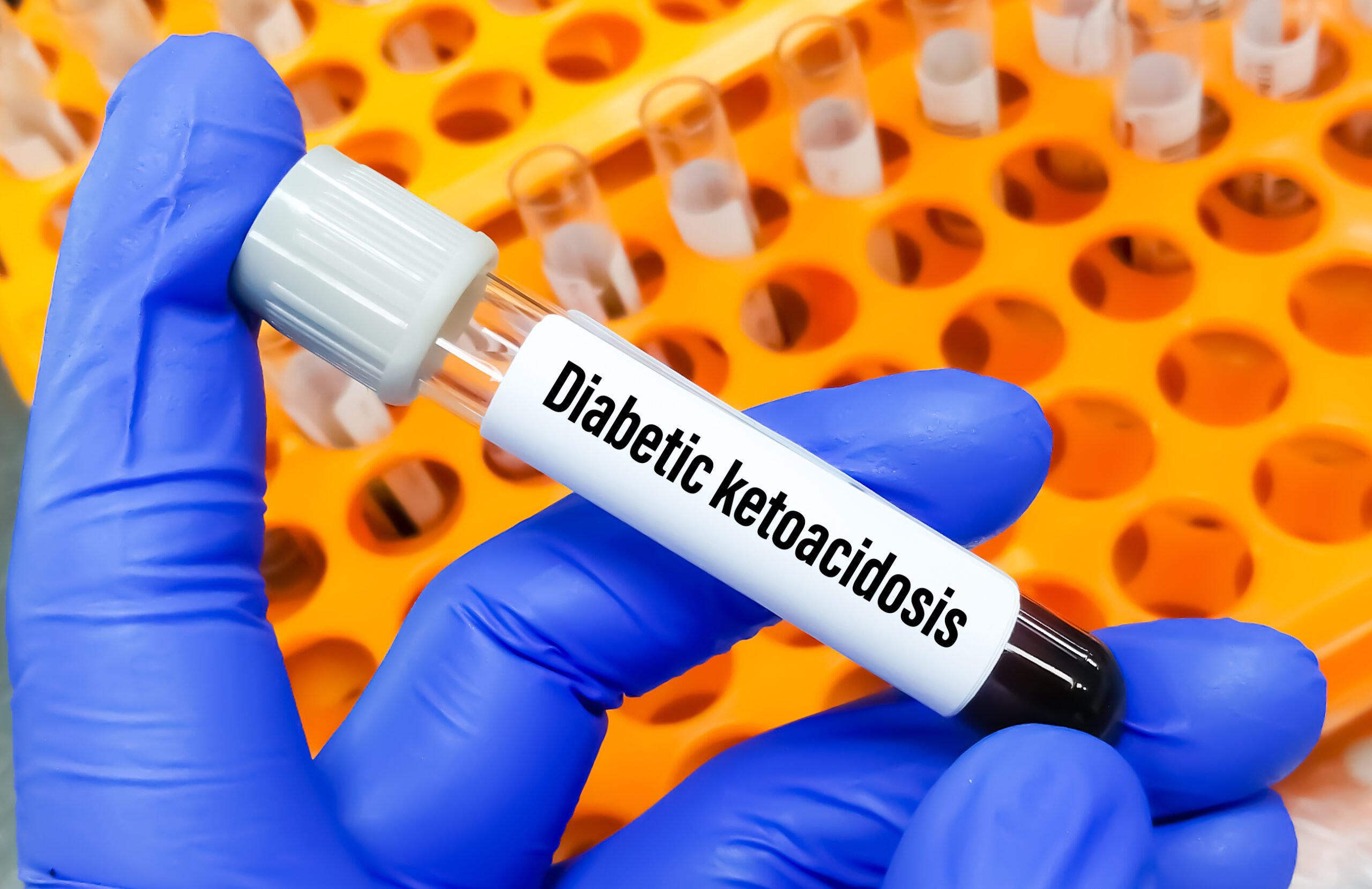
Diabetic ketoacidosis (DKA) is an acutely life-threatening complication of diabetes mellitus that occurs predominantly in type 1 diabetes, but is also increasingly occurring in people with type 2 diabetes. A special form is euglycemic DKA, which mainly occurs during therapy with SGLT2 inhibitors. Even though it has become rare and the mortality rate is now only just over 1%, these deaths are usually preventable. Timely diagnosis, standardized treatment protocols and, above all, prophylaxis are crucial for the prognosis.
Autoren
- Toralf Schwarz
Publikation
- CARDIOVASC
Related Topics
You May Also Like
- Adrenogenital syndrome
Clinical care from birth to adulthood
- Patient-centered rounds in medicine
Aligning care with the patient
- Communication between hospitals and outpatient care
How does a digital clinical information system prove itself in everyday practice?
- Acute myeloid leukemia
Treatment decisions between MRD monitoring, transplantation and CAR-T cells
- Psoriasis and metabolic comorbidities: new study data
GLP-1RAs showed a valuable dual benefit
- Heart failure: combination of four as "Guideline-Directed Medical Therapy"
Standard established at HFrEF with individual nuances
- Chronic inflammation as a driver of ageing
Immunosenescence and inflammaging
- Evidence, limitations and practical implications