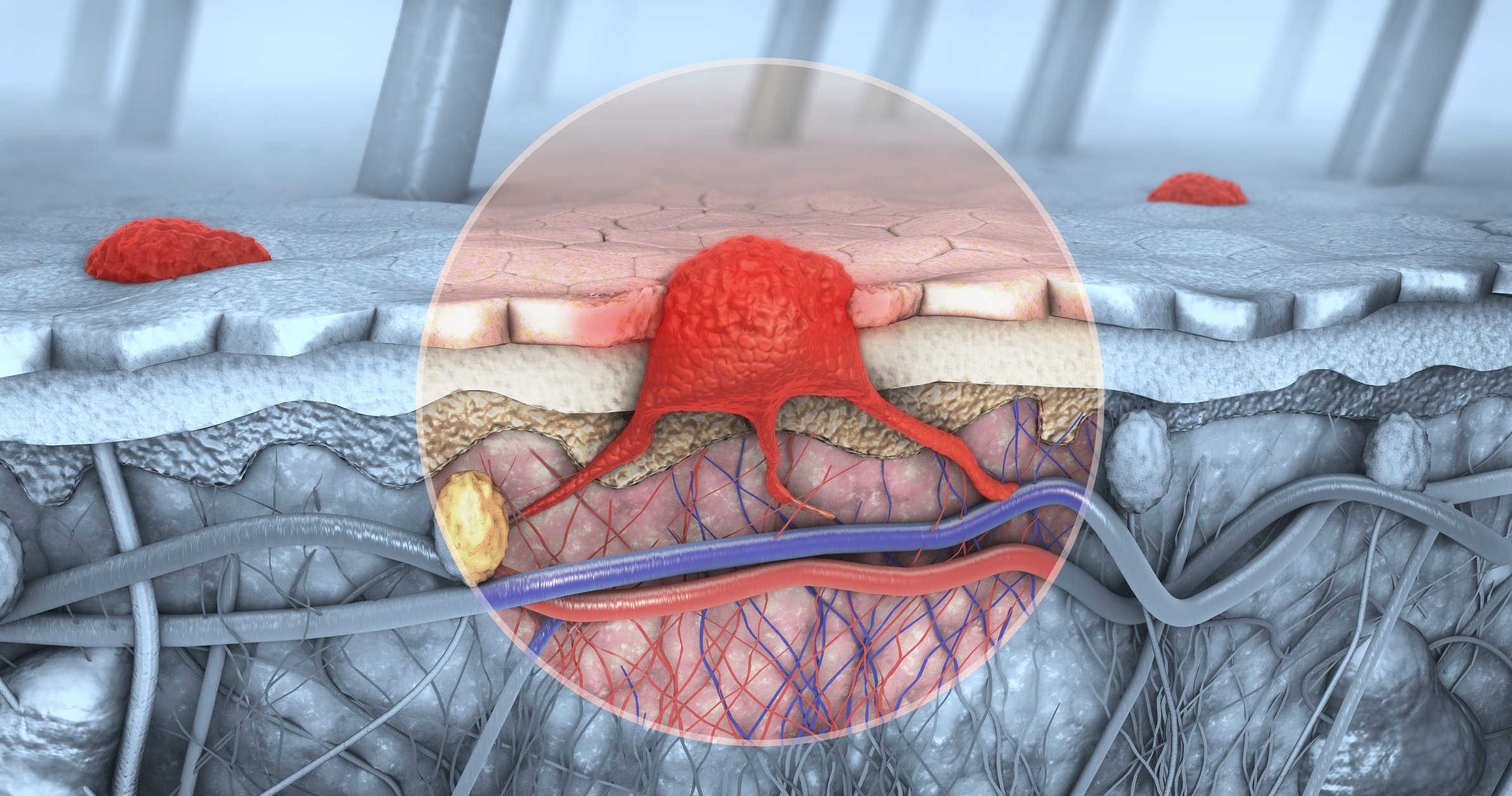
In recent years, sodium-glucose cotransporter 2 inhibitors (SGLT2i) have been widely used in the treatment of type 2 diabetes, as they not only provide improved glycemic control, but also offer cardiovascular and nephroprotective benefits. However, SGLT2i cause glycosuria, which can lead to infection and inflammation in the microenvironment of the foreskin. To date, very little data is available on the risk of these specific complications.
Autoren
- Jens Dehn
Publikation
- InFo DIABETOLOGIE & ENDOKRINOLOGIE
Related Topics
You May Also Like
- What the latest studies on the entire EF spectrum mean for clinical practice
Heart Failure – The 2026 Evidence Update
- Acute ischemic stroke
Alteplase and Tenecteplase Are on the Same Level
- CKD in People with Type 2 Diabetes: Evidence-Based, Optimized Treatment
SGLT-2 inhibitors and GLP-1 receptor agonists: significant improvement in renal outcomes
- Wearables: screening via smartwatch?
New study on atrial fibrillation in high-risk patients
- Planning a Family, Pregnancy, and Breastfeeding
Update on Anti-Rheumatic Medications
- Peristomal skin health
Focus on preventive care options
- Mental Health with GLP-1 RAs
Benefits of Semaglutide and Liraglutide
- Bronchiolitis obliterans