Medizinonline Medizinonline
  • News
    • News
    • Market & Medicine
  • Patients
    • Disease patterns
    • Diagnostics
    • Therapy
  • Partner Content
    • Dermatology
      • Atopic dermatitis and psoriasis news
    • Diabetes
      • Dia-Month Club – Type 2 Diabetes
      • Diabetes in Motion
      • Diabetes Podcasts
    • Gastroenterology
      • IBD matters
    • Oncology
      • Swiss Oncology in motion
    • Orthopedics
      • Osteoporosis in motion
  • Departments
    • Allergology and clinical immunology
    • General Internal Medicine
    • Anesthesiology
    • Angiology
    • Surgery
    • Dermatology and venereology
    • Endocrinology and Diabetology
    • Nutrition
    • Gastroenterology and Hepatology
    • Genetics
    • Geriatrics
    • Gynecology
    • Hematology
    • Infectiology
    • Cardiology
    • Nephrology
    • Neurology
    • Emergency and intensive care medicine
    • Nuclear Medicine
    • Oncology
    • Ophthalmology
    • ORL
    • Orthopedics
    • Pediatrics
    • Pharmacology and toxicology
    • Pharmaceutical medicine
    • Phlebology
    • Physical medicine and rehabilitation
    • Pneumology
    • Prevention and health care
    • Psychiatry and psychotherapy
    • Radiology
    • Forensic Medicine
    • Rheumatology
    • Sports Medicine
    • Traumatology and trauma surgery
    • Tropical and travel medicine
    • Urology
    • Dentistry
  • CME & Congresses
    • CME continuing education
    • Congress Reports
    • Congress calendar
  • Practice
    • Noctimed
    • Practice Management
    • Jobs
    • Interviews
  • Log In
  • Register
  • My account
  • Contact
  • Publications
  • Contact
  • Deutsch
  • English
  • Français
  • Italiano
  • Português
  • Español
Subscribe
Medizinonline Medizinonline
  • News
    • News
    • Market & Medicine
  • Patienten
    • Krankheitsbilder
    • Diagnostik
    • Therapie
  • Partner Content
    • Dermatology
      • Atopic dermatitis and psoriasis news
    • Diabetes
      • Dia-Month Club – Type 2 Diabetes
      • Diabetes in Motion
      • Diabetes Podcasts
    • Gastroenterology
      • IBD matters
    • Oncology
      • Swiss Oncology in motion
    • Orthopedics
      • Osteoporosis in motion
    • Phytotherapie
    • Rheumatology
  • Departments
    • Fachbereiche 1-13
      • Allergology and clinical immunology
      • General Internal Medicine
      • Anesthesiology
      • Angiology
      • Surgery
      • Dermatology and venereology
      • Endocrinology and Diabetology
      • Nutrition
      • Gastroenterology and Hepatology
      • Genetics
      • Geriatrics
      • Gynecology
      • Hematology
    • Fachbereiche 14-26
      • Infectiology
      • Cardiology
      • Nephrology
      • Neurology
      • Emergency and intensive care medicine
      • Nuclear Medicine
      • Oncology
      • Ophthalmology
      • ORL
      • Orthopedics
      • Pediatrics
      • Pharmacology and toxicology
      • Pharmaceutical medicine
    • Fachbereiche 26-38
      • Phlebology
      • Physical medicine and rehabilitation
      • Phytotherapy
      • Pneumology
      • Prevention and health care
      • Psychiatry and psychotherapy
      • Radiology
      • Forensic Medicine
      • Rheumatology
      • Sports Medicine
      • Traumatology and trauma surgery
      • Tropical and travel medicine
      • Urology
      • Dentistry
  • CME & Congresses
    • CME continuing education
    • Congress Reports
    • Congress calendar
  • Practice
    • Noctimed
    • Practice Management
    • Jobs
    • Interviews
Login

Sie haben noch keinen Account? Registrieren

  • Heart failure

Current guidelines recommend exercise even for cardiovascular disease

    • Cardiology
    • Congress Reports
    • Prevention and health care
    • RX
    • Sports Medicine
  • 2 minute read

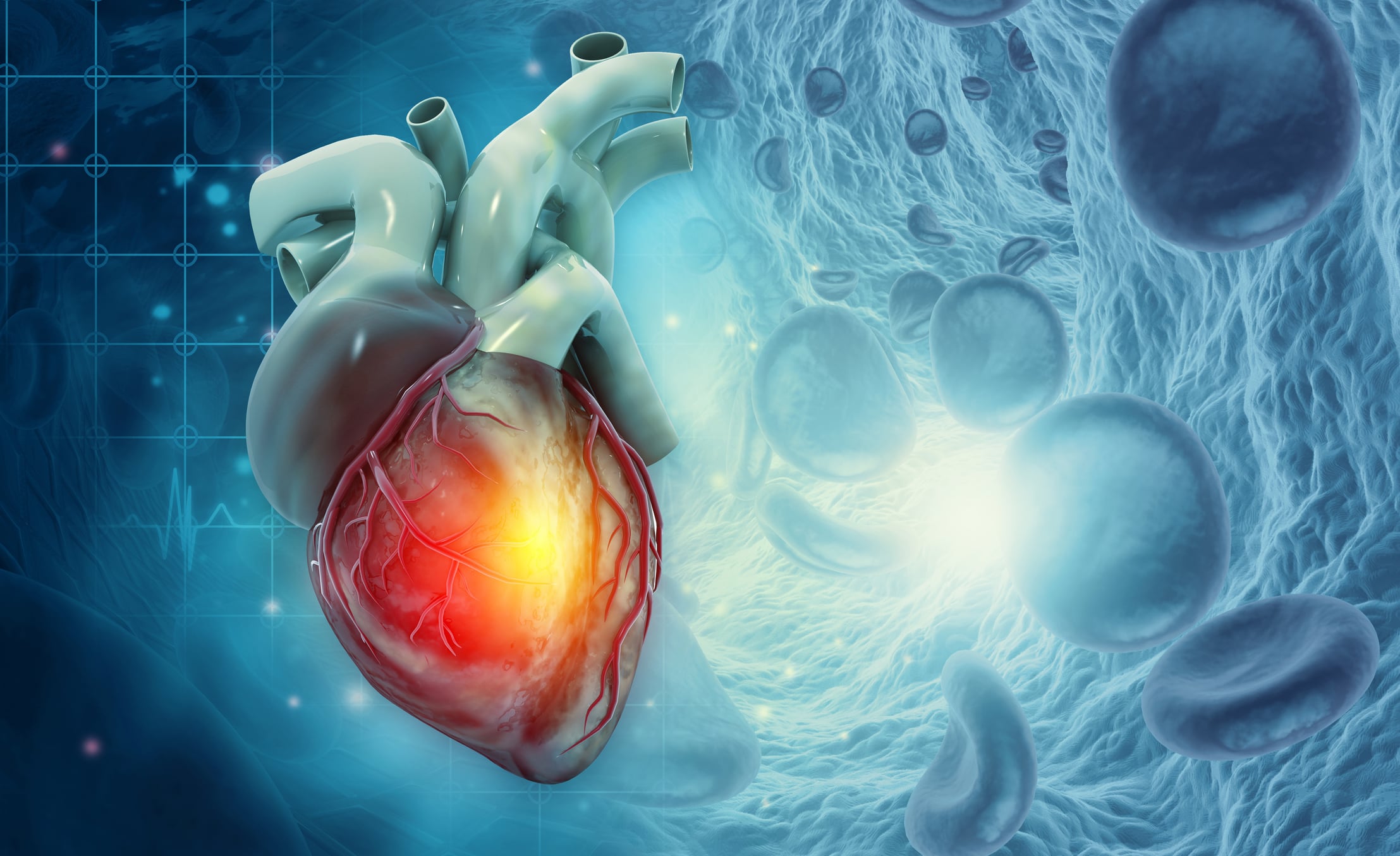
Obesity and physical inactivity are two challenges that are becoming more prevalent. Therefore, current guidelines recommend regular exercise not only as a preventative measure against heart disease, but also for people with cardiovascular disease.

Patients with cardiovascular diseases do not have to do without exercise and sports training. Sports cardiologists who presented their current guidelines at the ESC came to this recommendation. Regular exercise and sport as part of treatment can therefore have a positive effect on several cardiovascular diseases. Which sport is indicated at what intensity is suggested by the elaborations of the experts. However, before intensive training, appropriate risk stratification and optimal treatment of all risk factors should be performed. After that, an exercise plan can be created in consultation with the physician and documented as part of the medical records. However, experts agree that, in principle, all people with coronary heart disease can participate in recreational as well as competitive sports. Patients with heart disease should exercise daily if possible, but at least 150 minutes a week. Endurance training with medium intensity is recommended as a basis.

Individualized training program

The risk of exercise causing a heart attack or cardiac arrest is extremely low. Even heart failure patients benefit from exercise if they are clinically stable. Here, an individualized training program closely coordinated with the physician should be applied. In advance, all risk factors must be optimally controlled and treated, including possible device therapy with a pacemaker or ICD. In addition, before initiating a low to moderate intensity exercise program, a stress ECG should be performed. In addition, regular, moderate exercise can also prevent cardiac arrhythmias. Since atrial fibrillation is a systemic disease that is also favored by obesity, high blood pressure and diabetes, exercise can have positive effects. For patients without heart disease but at increased cardiovascular risk due to hypertension, obesity, or diabetes, the guideline recommends a moderate to more intense exercise program to reduce cardiovascular risk. Strength training at least 3 times a week, for example with light weights, plus moderate to intense aerobic endurance training 5 to 7 times a week for at least half an hour, would be ideal. Running, cycling or swimming are particularly suitable for this, according to the recommendation of sports cardiologists. The guideline includes recommendations for the practice of recreational sports for people with various cardiovascular diseases and conditions that increase cardiovascular risk, such as obesity or type 2 diabetes. In addition, summary “What to do?” and “What not to do?” tables are provided at the end of the guideline.

Source: ESC Congress 2020


CARDIOVASC 2020; 19(3): 22 (published 9/18/20, ahead of print).
Autoren
  • Leoni Burggraf
Publikation
  • CARDIOVASC
Previous Article
  • Schwartz-Bartter syndrome

Effectively balancing electrolyte imbalances: focus on osmoregulation

  • Education
  • Endocrinology and Diabetology
  • Hematology
  • Nephrology
  • Oncology
  • RX
View Post
Next Article
  • Migraine

Acute therapy with triptans – (un)dispensable?

  • Congress Reports
  • Neurology
  • RX
View Post
You May Also Like
View Post
  • 3 min
  • Health Literacy

Promoting health literacy: from the abstract to the concrete level

    • General Internal Medicine
    • Practice Management
    • Prevention and health care
    • RX
    • Studies
View Post
  • 8 min
  • Pharmacological therapy

Anxiety symptoms in eating disorders

    • Education
    • Nutrition
    • Pharmacology and toxicology
    • Psychiatry and psychotherapy
    • RX
    • Studies
View Post
  • 4 min
  • Case study

Wiedemann-Steiner syndrome in a 2-year-old girl

    • Cases
    • Education
    • General Internal Medicine
    • Genetics
    • Pediatrics
    • RX
View Post
  • 4 min
  • Chronic back pain

Care in the virtual hospital – the Back@home project

    • Congress Reports
    • General Internal Medicine
    • Physical medicine and rehabilitation
    • Prevention and health care
    • RX
    • Studies
View Post
  • 4 min
  • Psoriatic arthritis

Long-term remission also possible without DMARDs

    • Dermatology and venereology
    • Education
    • Rheumatology
    • RX
View Post
  • 5 min
  • Clinical relevance, benefits and limitations

Atrial Fibrillation Screening

    • Cardiology
    • Education
    • RX
    • Studies
View Post
  • 9 min
  • Parkinson's disease: progressive and clinically heterogeneous

Individualized management of motor and non-motor symptoms

    • Congress Reports
    • Geriatrics
    • Neurology
    • Pharmacology and toxicology
    • RX
    • Studies
View Post
  • 9 min
  • Type 2 diabetes and heart failure: a bidirectional relationship

Proactive preventive measures can reduce the burden of disease

    • Cardiology
    • Education
    • Endocrinology and Diabetology
    • Prevention and health care
    • RX
    • Studies
  • IBD matters

    Zum Thema
Top CME content
  • 1
    Causes and prevention at work
  • 2
    Yellow nail and Swyer-James syndrome
  • 3
    Recommendations for action in practice
  • 4
    From the β-cell to the center: the versatile role of amylin
  • 5
    Communication as the key to therapy adherence

Newsletter

Sign up and stay up to date

Subscribe
Medizinonline Medizinonline
  • Contact
  • General terms and conditions
  • Imprint

Input your search keywords and press Enter.