Medizinonline Medizinonline
  • News
    • News
    • Market & Medicine
  • Patients
    • Disease patterns
    • Diagnostics
    • Therapy
  • Partner Content
    • Diabetes
      • Dia-Month Club – Type 2 Diabetes
      • Diabetes in Motion
      • Diabetes Podcasts
    • Gastroenterology
      • IBD matters
    • Oncology
      • Swiss Oncology in motion
    • Orthopedics
      • Osteoporosis in motion
  • Departments
    • Allergology and clinical immunology
    • General Internal Medicine
    • Anesthesiology
    • Angiology
    • Surgery
    • Dermatology and venereology
    • Endocrinology and Diabetology
    • Nutrition
    • Gastroenterology and Hepatology
    • Genetics
    • Geriatrics
    • Gynecology
    • Hematology
    • Infectiology
    • Cardiology
    • Nephrology
    • Neurology
    • Emergency and intensive care medicine
    • Nuclear Medicine
    • Oncology
    • Ophthalmology
    • ORL
    • Orthopedics
    • Pediatrics
    • Pharmacology and toxicology
    • Pharmaceutical medicine
    • Phlebology
    • Physical medicine and rehabilitation
    • Pneumology
    • Prevention and health care
    • Psychiatry and psychotherapy
    • Radiology
    • Forensic Medicine
    • Rheumatology
    • Sports Medicine
    • Traumatology and trauma surgery
    • Tropical and travel medicine
    • Urology
    • Dentistry
  • CME & Congresses
    • CME continuing education
    • Congress Reports
    • Congress calendar
  • Practice
    • Noctimed
    • Practice Management
    • Jobs
    • Interviews
  • Log In
  • Register
  • My account
  • Contact
  • Publications
  • Contact
  • Deutsch
  • English
  • Français
  • Italiano
  • Português
  • Español
Subscribe
Medizinonline Medizinonline
  • News
    • News
    • Market & Medicine
  • Patienten
    • Krankheitsbilder
    • Diagnostik
    • Therapie
  • Partner Content
    • Diabetes
      • Dia-Month Club – Type 2 Diabetes
      • Diabetes in Motion
      • Diabetes Podcasts
    • Gastroenterology
      • IBD matters
    • Oncology
      • Swiss Oncology in motion
    • Orthopedics
      • Osteoporosis in motion
    • Phytotherapie
    • Rheumatology
  • Departments
    • Fachbereiche 1-13
      • Allergology and clinical immunology
      • General Internal Medicine
      • Anesthesiology
      • Angiology
      • Surgery
      • Dermatology and venereology
      • Endocrinology and Diabetology
      • Nutrition
      • Gastroenterology and Hepatology
      • Genetics
      • Geriatrics
      • Gynecology
      • Hematology
    • Fachbereiche 14-26
      • Infectiology
      • Cardiology
      • Nephrology
      • Neurology
      • Emergency and intensive care medicine
      • Nuclear Medicine
      • Oncology
      • Ophthalmology
      • ORL
      • Orthopedics
      • Pediatrics
      • Pharmacology and toxicology
      • Pharmaceutical medicine
    • Fachbereiche 26-38
      • Phlebology
      • Physical medicine and rehabilitation
      • Phytotherapy
      • Pneumology
      • Prevention and health care
      • Psychiatry and psychotherapy
      • Radiology
      • Forensic Medicine
      • Rheumatology
      • Sports Medicine
      • Traumatology and trauma surgery
      • Tropical and travel medicine
      • Urology
      • Dentistry
  • CME & Congresses
    • CME continuing education
    • Congress Reports
    • Congress calendar
  • Practice
    • Noctimed
    • Practice Management
    • Jobs
    • Interviews
Login

Sie haben noch keinen Account? Registrieren

  • SARS-CoV-2

Telemonitoring of respiratory therapy reduces risk of infection

    • Infectiology
    • Market & Medicine
    • News
    • Pneumology
    • Prevention and health care
    • RX
  • 2 minute read

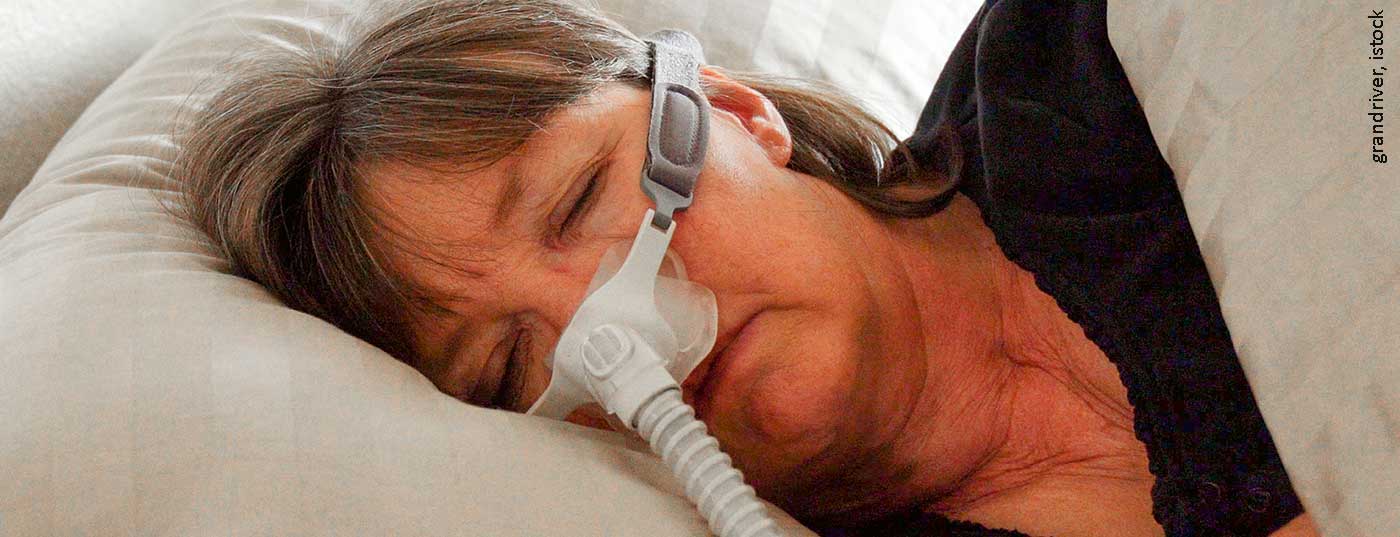
Innovative and digital devices for sleep and ventilation therapy enable efficient and clinically qualitative care for people with sleep-related breathing disorders, COPD and other chronic diseases. Telemonitoring offers an alternative to doctor’s appointments, which is an important protective measure in the current phase of the corona pandemic.

Switzerland is still in an exceptional situation due to the coronavirus, even though the infection figures have dropped significantly compared to March/April. On the one hand, this is very encouraging, but on the other hand it could lead to less attention being paid to protective measures after the “lockdown”.

Minimize risk of infection for vulnerable group of people

There are certain groups of people for whom preventive measures against the reduced but not yet eliminated risk of infection can be vital. This is especially true for those who required mechanical respiratory support before the coronavirus outbreak. Several thousand people living in Switzerland are provided with ventilators at home, mainly people with respiratory diseases, such as advanced chronic obstructive pulmonary disease (COPD), pulmonary fibrosis, or patients with neuromuscular diseases, such as ALS, who are in urgent need of respiratory support. In addition, about 100,000 people are currently undergoing therapy for sleep apnea throughout Switzerland. If these patients also have risk factors known to be associated with coronavirus, such as diabetes, cardiovascular problems, or obesity, then they also belong to the risk group. Thus, to protect themselves from infection, these individuals should continue to stay at home or in protected environments as much as possible during the relaxation phase of the measures. At present, it is not yet possible to assess precisely to what extent the normalization of public life will influence the infection figures and thus also the risk of infection.

Digital solution as an alternative to the doctor’s appointment

Visiting a physician or homecare provider to review ventilator therapy is also a potential risk in the current situation for affected patients, as well as for caregivers. Digital applications available today enable remote care via telemonitoring, allowing patients to remain at home. Therapy problems, such as mask leaks or technical difficulties such as equipment defects, can be identified and corrected with additional telephone consultation with the patient and possible remote access. Thus, telemonitoring supports patient care and, at the same time, minimizes the risk of infection by requiring patients to visit the doctor only in urgent cases.

Progress monitoring through telemonitoring

Current therapy data as well as an evaluation over time can be of high relevance for patients but also for the treating medical staff. Telemonitoring provides seamless care while allowing physicians to intervene with patients where it is needed most. In the current situation, digital solutions help avoid unnecessary visits to the doctor and allow caregivers to significantly reduce the number of home visits. This significantly reduces the burden on the healthcare system and drastically reduces the risk of infection for patients. For more information, visit: www.ResMed.com

Source: ResMed


GP PRACTICE 2020; 15(7): 42
InFo PNEUMOLOGY & HEMATOLOGY 2020; 2(3): 32.
 

Autoren
  • Mirjam Peter, M.Sc.
Publikation
  • HAUSARZT PRAXIS
Related Topics
  • COPD
  • Corona pandemic
  • Protective measure
  • Risk of infection
  • sars-cov-2
  • Sleep and respiratory therapy
  • sleep-related breathing disorders
  • Telemonitoring
  • Ventilation therapy
Previous Article
  • Inflammatory dermatoses

Not only the right wavelength is decisive

  • Congress Reports
  • Dermatology and venereology
  • RX
  • Studies
View Post
Next Article
  • Unipolar depression

Innovative personalized concepts against the gloom

  • Education
  • General Internal Medicine
  • Psychiatry and psychotherapy
  • RX
View Post
You May Also Like
View Post
  • 7 min
  • Geriatric patients

Micronutrient Intake in Older Adults

    • RX
    • Education
    • General Internal Medicine
    • Geriatrics
    • Nutrition
View Post
  • 7 min
  • Crohn's disease: focus on long-term results

“Top-down” approach or classic step therapy?

    • RX
    • Congress Reports
    • Gastroenterology and Hepatology
    • General Internal Medicine
    • Studies
View Post
  • 4 min
  • SwissDiab Study: New Analysis Published

How are diabetes complications associated with quality of life?

    • RX
    • Endocrinology and Diabetology
    • General Internal Medicine
    • Studies
View Post
  • 6 min
  • Pre-acclimatization on Mount Everest

Exploring the physiological limits

    • RX
    • Congress Reports
    • General Internal Medicine
    • Pneumology
    • Studies
    • Tropical and travel medicine
View Post
  • 5 min
  • Viloxazine for ADHD

A non-stimulating option—but with limited evidence

    • RX
    • Education
    • Neurology
    • Pediatrics
    • Pharmacology and toxicology
    • Psychiatry and psychotherapy
    • Studies
View Post
  • 6 min
  • Preclinical study on phytotherapeutic agent

Active ingredient combination of peppermint and caraway oil modified fecal microbiota

    • RX
    • Education
    • Gastroenterology and Hepatology
    • General Internal Medicine
    • Pharmaceutical medicine
    • Phytotherapy
    • Studies
View Post
  • 4 min
  • Casuistry

Rituximab used effectively against IgG4-RD colitis

    • RX
    • Cases
    • Education
    • Gastroenterology and Hepatology
    • General Internal Medicine
    • Radiology
    • Rheumatology
View Post
  • 5 min
  • Sarcoidosis

New options from JAKi to mTOR

    • RX
    • Congress Reports
    • General Internal Medicine
    • Pneumology
    • Studies
  • IBD matters

    Zum Thema
Top CME content
  • 1
    Current State of Knowledge and New Therapeutic Approaches
  • 2
    Why is it so hard to lose weight?
  • 3
    Functional limb preservation between infection control, vascular medicine and resurfacing
  • 4
    Algorithms, avatars and the unburdened mind
  • 5
    Communication as the key to therapy adherence

Newsletter

Sign up and stay up to date

Subscribe
Medizinonline Medizinonline
  • Contact
  • General terms and conditions
  • Imprint

Input your search keywords and press Enter.