Medizinonline Medizinonline
  • News
    • News
    • Market & Medicine
  • Patients
    • Disease patterns
    • Diagnostics
    • Therapy
  • Partner Content
    • Dermatology
      • Atopic dermatitis and psoriasis news
    • Diabetes
      • Dia-Month Club – Type 2 Diabetes
      • Diabetes in Motion
      • Diabetes Podcasts
    • Gastroenterology
      • IBD matters
    • Oncology
      • Swiss Oncology in motion
    • Orthopedics
      • Osteoporosis in motion
  • Departments
    • Allergology and clinical immunology
    • General Internal Medicine
    • Anesthesiology
    • Angiology
    • Surgery
    • Dermatology and venereology
    • Endocrinology and Diabetology
    • Nutrition
    • Gastroenterology and Hepatology
    • Genetics
    • Geriatrics
    • Gynecology
    • Hematology
    • Infectiology
    • Cardiology
    • Nephrology
    • Neurology
    • Emergency and intensive care medicine
    • Nuclear Medicine
    • Oncology
    • Ophthalmology
    • ORL
    • Orthopedics
    • Pediatrics
    • Pharmacology and toxicology
    • Pharmaceutical medicine
    • Phlebology
    • Physical medicine and rehabilitation
    • Pneumology
    • Prevention and health care
    • Psychiatry and psychotherapy
    • Radiology
    • Forensic Medicine
    • Rheumatology
    • Sports Medicine
    • Traumatology and trauma surgery
    • Tropical and travel medicine
    • Urology
    • Dentistry
  • CME & Congresses
    • CME continuing education
    • Congress Reports
    • Congress calendar
  • Practice
    • Noctimed
    • Practice Management
    • Jobs
    • Interviews
  • Log In
  • Register
  • My account
  • Contact
  • Publications
  • Contact
  • Deutsch
  • English
  • Français
  • Italiano
  • Português
  • Español
Subscribe
Medizinonline Medizinonline
  • News
    • News
    • Market & Medicine
  • Patienten
    • Krankheitsbilder
    • Diagnostik
    • Therapie
  • Partner Content
    • Dermatology
      • Atopic dermatitis and psoriasis news
    • Diabetes
      • Dia-Month Club – Type 2 Diabetes
      • Diabetes in Motion
      • Diabetes Podcasts
    • Gastroenterology
      • IBD matters
    • Oncology
      • Swiss Oncology in motion
    • Orthopedics
      • Osteoporosis in motion
    • Phytotherapie
    • Rheumatology
  • Departments
    • Fachbereiche 1-13
      • Allergology and clinical immunology
      • General Internal Medicine
      • Anesthesiology
      • Angiology
      • Surgery
      • Dermatology and venereology
      • Endocrinology and Diabetology
      • Nutrition
      • Gastroenterology and Hepatology
      • Genetics
      • Geriatrics
      • Gynecology
      • Hematology
    • Fachbereiche 14-26
      • Infectiology
      • Cardiology
      • Nephrology
      • Neurology
      • Emergency and intensive care medicine
      • Nuclear Medicine
      • Oncology
      • Ophthalmology
      • ORL
      • Orthopedics
      • Pediatrics
      • Pharmacology and toxicology
      • Pharmaceutical medicine
    • Fachbereiche 26-38
      • Phlebology
      • Physical medicine and rehabilitation
      • Phytotherapy
      • Pneumology
      • Prevention and health care
      • Psychiatry and psychotherapy
      • Radiology
      • Forensic Medicine
      • Rheumatology
      • Sports Medicine
      • Traumatology and trauma surgery
      • Tropical and travel medicine
      • Urology
      • Dentistry
  • CME & Congresses
    • CME continuing education
    • Congress Reports
    • Congress calendar
  • Practice
    • Noctimed
    • Practice Management
    • Jobs
    • Interviews
Login

Sie haben noch keinen Account? Registrieren

  • Chronic pain

Study of the role of the cingulate cortex and pain exacerbation.

    • Neurology
    • RX
    • Studies
  • 2 minute read

Question: What is the role of the medial part of the cingulate cortex (“midcingulate cortex”, MCC) in the processing of nociception and pain?

Recognize languageAfrikaansAlbanianArabicArmenianAzerbaijaniBasqueBengaliBosnianBulgarianBurmeseCebuanoChichewaChinese (ver)Chinese (trad)DänischDeutschEnglischEsperantoEstnischFinnischFranzösischGalizischGeorgischGriechischGujaratiHaitianischHausaHebräischHindiHmongIgboIndonesischIrischIsländischItalienischJapanischJavanesischJiddischKannadaKasachischKatalanischKhmerKoreanischKroatischLaoLateinishLettischLitauischMalabarischMalagasyMalaysischMaltesischMaoriMarathischMazedonischMongolischNepalesischNiederländischNorwegischPersischPolnischPortugiesischPunjabiRumänischRussischSchwedischSerbischSesothoSinghalesischSlowakischSlowenischSomaliSpanischSuaheliSundanesischTadschikischTagalogTamilTeluguThailändischTschechischTürkischUkrainischUngarischUrduUzbekischVietnamesischWalisischWeißrussischYorubaZulu
 
AfrikaansAlbanianArabicArmenianAzerbaijaniBasqueBengaliBosnianBulgarianBurmeseCebuanoChichewaChinese (ver)Chinese (trad)DänischDeutschEnglischEsperantoEstnischFinnischFranzösischGalizischGeorgischGriechischGujaratiHaitianischHausaHebräischHindiHmongIgboIndonesischIrischIsländischItalienischJapanischJavanesischJiddischKannadaKasachischKatalanischKhmerKoreanischKroatischLaoLateinishLettischLitauischMalabarischMalagasyMalaysischMaltesischMaoriMarathischMazedonischMongolischNepalesischNiederländischNorwegischPersischPolnischPortugiesischPunjabiRumänischRussischSchwedischSerbischSesothoSinghalesischSlowakischSlowenischSomaliSpanischSuaheliSundanesischTadschikischTagalogTamilTeluguThailändischTschechischTürkischUkrainischUngarischUrduUzbekischVietnamesischWalisischWeißrussischYorubaZulu


The sound function is limited to 200 characters


Options: History: Feedback: Donate Clasp

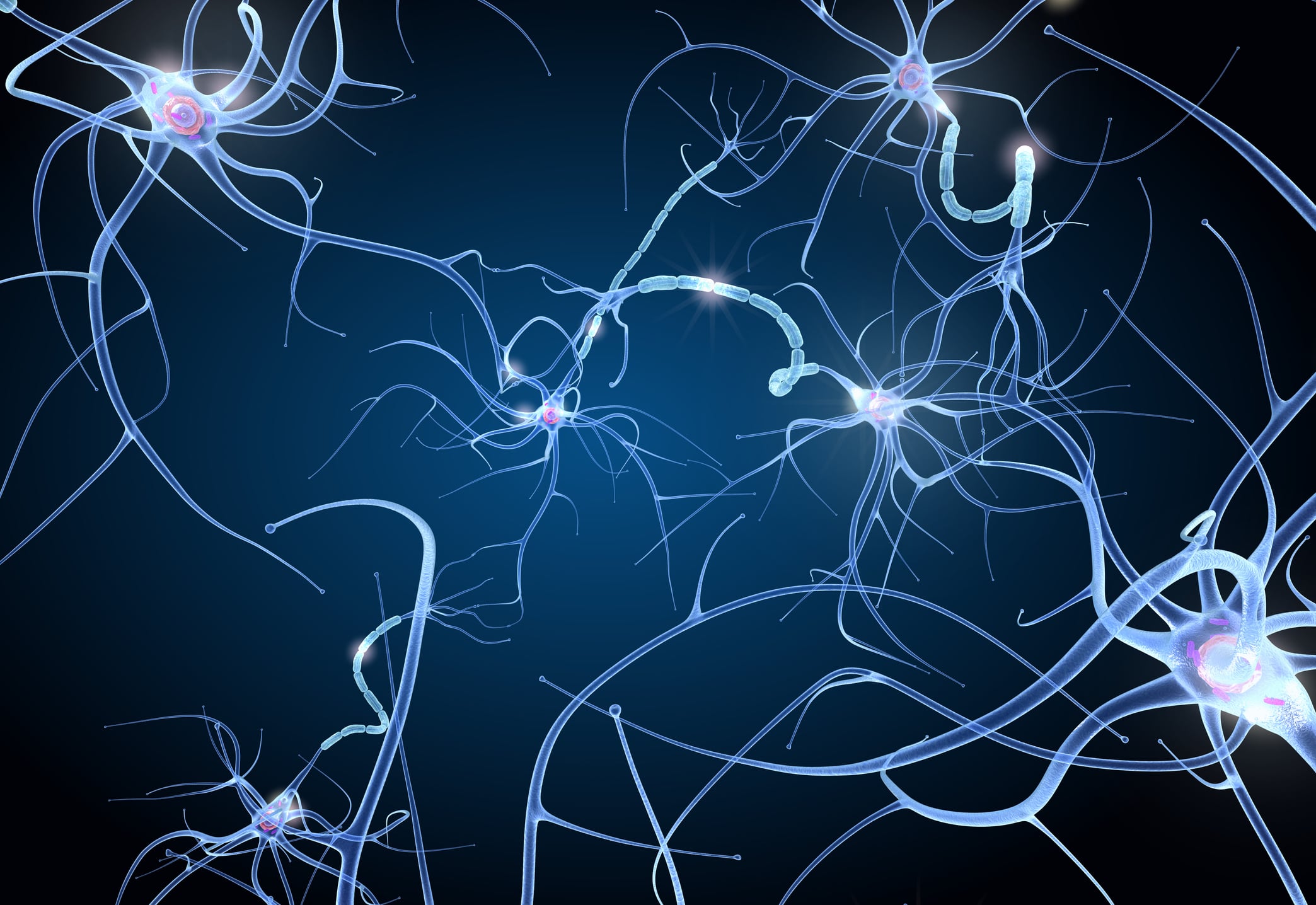
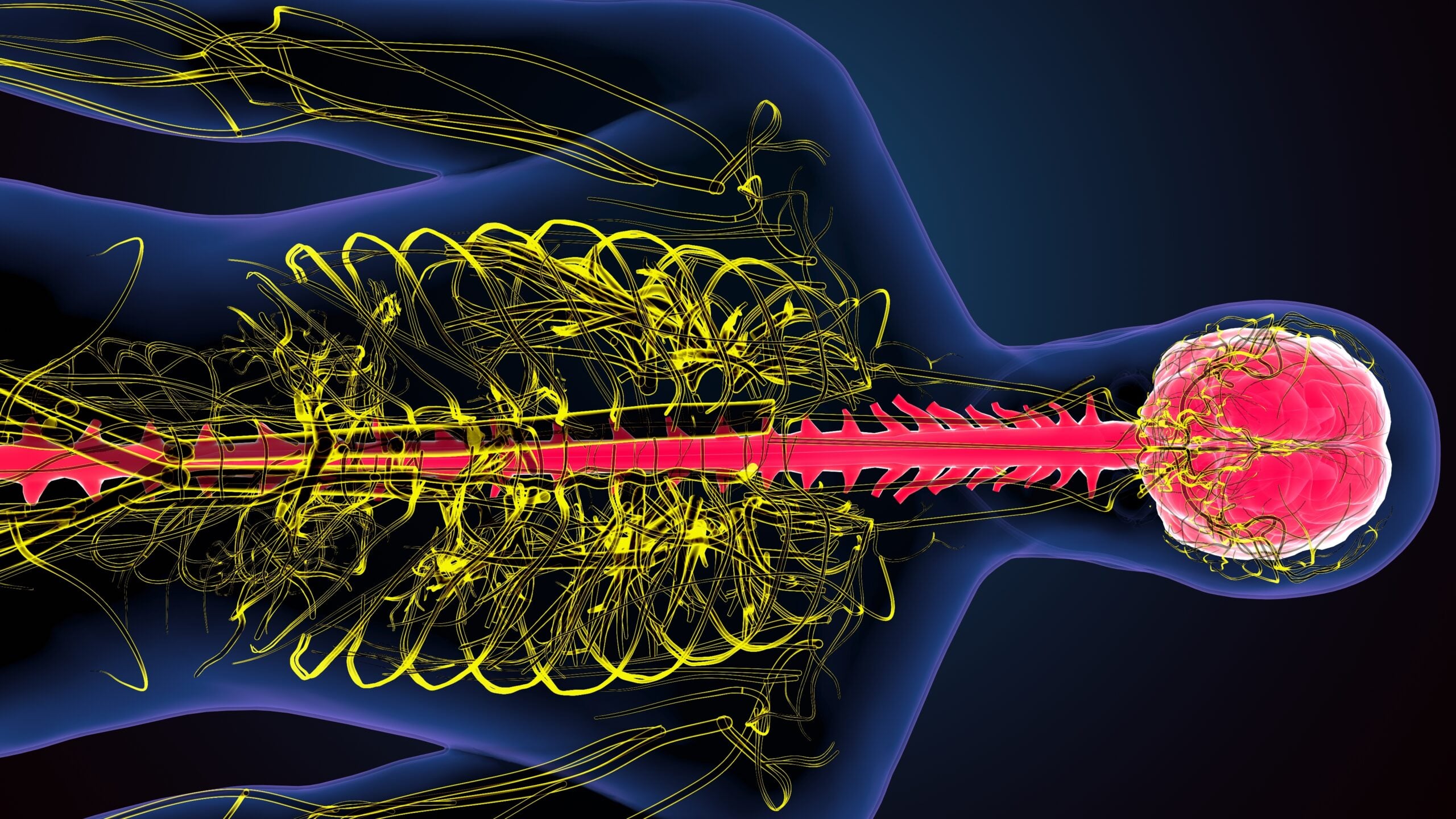
Background: Neuronal activity in the MCC is frequently observed during experimental pain induction, both in animal and human studies. However, the interaction between MCC activity, nociception, and pain experience is unclear and causal relationships are entirely lacking.

METHODS: For pain generation, researchers injected capsaicin into mice and used optogenetic stimulation to manipulate targeted neurons in the MCC and their activity.

Results: The authors discovered a specific neural circuit between the MCC and the posterior part of the insula (“posterior insula”, PI), which seems to be responsible for the generation and maintenance of nociceptive hypersensitivity. Here, activation of this MCC-PI circuit and associated nociceptive hypersensitivity was independent of peripheral pain stimulation.

Comment: The results contain important implications for changes in pain sensitivity in patients in whom one cannot identify obvious injury or functional pathology. Nevertheless, many questions remain unanswered: Do we also observe these effects when using other pain models? What are the exact neuroanatomical connections of the periphery to the MCC? What is the relevance of the present animal study compared with clinical pain conditions in humans? Nonetheless, the exciting results of this study should serve as a mechanistic basis for studying the transition from acute to chronic pain in more detail.


InFo NEUROLOGY & PSYCHIATRY 2018; 16(1): 38.

Autoren
  • Dr. Michael L. Meier
Publikation
  • InFo NEUROLOGIE & PSYCHIATRIE
Related Topics
  • chronic
  • cingulate cortex
  • Pain
  • pain exacerbation
Previous Article
  • Peripartum Cardiomyopathy (PPCM)

A dangerous and often unrecognized heart failure

  • Cardiology
  • Education
  • Gynecology
  • RX
View Post
Next Article
  • Hypertrophic cardiomyopathy (HCM)

Genetics and risk stratification for sudden cardiac death.

  • Cardiology
  • Education
  • Genetics
  • RX
View Post
You May Also Like
View Post
  • 4 min
  • HIV: updated EACS guideline

Individualized approach to sustainable prevention and care

    • Cardiology
    • Education
    • General Internal Medicine
    • Infectiology
    • Prevention and health care
    • RX
    • Studies
View Post
  • 5 min
  • Evidence-based diagnostics and treatment in the medical setting

Anxiety and depression disorders in adolescence

    • Education
    • Pediatrics
    • Pharmacology and toxicology
    • Psychiatry and psychotherapy
    • RX
    • Studies
View Post
  • 25 min
  • Neuroenhancement

Can you swallow intelligence? Relevant substance classes times for healthy people

    • CME continuing education
    • Neurology
    • Pharmacology and toxicology
    • Psychiatry and psychotherapy
    • RX
    • Studies
View Post
  • 9 min
  • Microbiome, inflammaging and affective/cognitive health

Gut-brain axis in old age

    • Education
    • Gastroenterology and Hepatology
    • General Internal Medicine
    • Geriatrics
    • Neurology
    • Nutrition
    • Prevention and health care
    • RX
    • Studies
View Post
  • 6 min
  • Vitiligo - the level of suffering should not be underestimated

A lot can be achieved therapeutically nowadays

    • Congress Reports
    • Dermatology and venereology
    • RX
    • Studies
View Post
  • 12 min
  • Patient-centered rounds in medicine

Aligning care with the patient

    • CME continuing education
    • Education
    • General Internal Medicine
    • Prevention and health care
    • RX
    • Studies
View Post
  • 14 min
  • Adrenogenital syndrome

Clinical care from birth to adulthood

    • CME continuing education
    • Endocrinology and Diabetology
    • Nephrology
    • Pediatrics
    • RX
    • Studies
View Post
  • 4 min
  • Communication between hospitals and outpatient care

How does a digital clinical information system prove itself in everyday practice?

    • Education
    • General Internal Medicine
    • Practice Management
    • Prevention and health care
    • RX
  • IBD matters

    Zum Thema
Top CME content
  • 1
    Can you swallow intelligence? Relevant substance classes times for healthy people
  • 2
    Clinical care from birth to adulthood
  • 3
    Aligning care with the patient
  • 4
    Control instead of a flood of data: AI makes big data and wearables usable
  • 5
    Causes and prevention at work

Newsletter

Sign up and stay up to date

Subscribe
Medizinonline Medizinonline
  • Contact
  • General terms and conditions
  • Imprint

Input your search keywords and press Enter.