Medizinonline Medizinonline
  • News
    • News
    • Market & Medicine
  • Patients
    • Disease patterns
    • Diagnostics
    • Therapy
  • Partner Content
    • Diabetes
      • Dia-Month Club – Type 2 Diabetes
      • Diabetes in Motion
      • Diabetes Podcasts
    • Gastroenterology
      • IBD matters
    • Oncology
      • Swiss Oncology in motion
    • Orthopedics
      • Osteoporosis in motion
  • Departments
    • Allergology and clinical immunology
    • General Internal Medicine
    • Anesthesiology
    • Angiology
    • Surgery
    • Dermatology and venereology
    • Endocrinology and Diabetology
    • Nutrition
    • Gastroenterology and Hepatology
    • Genetics
    • Geriatrics
    • Gynecology
    • Hematology
    • Infectiology
    • Cardiology
    • Nephrology
    • Neurology
    • Emergency and intensive care medicine
    • Nuclear Medicine
    • Oncology
    • Ophthalmology
    • ORL
    • Orthopedics
    • Pediatrics
    • Pharmacology and toxicology
    • Pharmaceutical medicine
    • Phlebology
    • Physical medicine and rehabilitation
    • Pneumology
    • Prevention and health care
    • Psychiatry and psychotherapy
    • Radiology
    • Forensic Medicine
    • Rheumatology
    • Sports Medicine
    • Traumatology and trauma surgery
    • Tropical and travel medicine
    • Urology
    • Dentistry
  • CME & Congresses
    • CME continuing education
    • Congress Reports
    • Congress calendar
  • Practice
    • Noctimed
    • Practice Management
    • Jobs
    • Interviews
  • Log In
  • Register
  • My account
  • Contact
  • Publications
  • Contact
  • Deutsch
  • English
  • Français
  • Italiano
  • Português
  • Español
Subscribe
Medizinonline Medizinonline
  • News
    • News
    • Market & Medicine
  • Patienten
    • Krankheitsbilder
    • Diagnostik
    • Therapie
  • Partner Content
    • Diabetes
      • Dia-Month Club – Type 2 Diabetes
      • Diabetes in Motion
      • Diabetes Podcasts
    • Gastroenterology
      • IBD matters
    • Oncology
      • Swiss Oncology in motion
    • Orthopedics
      • Osteoporosis in motion
    • Phytotherapie
    • Rheumatology
  • Departments
    • Fachbereiche 1-13
      • Allergology and clinical immunology
      • General Internal Medicine
      • Anesthesiology
      • Angiology
      • Surgery
      • Dermatology and venereology
      • Endocrinology and Diabetology
      • Nutrition
      • Gastroenterology and Hepatology
      • Genetics
      • Geriatrics
      • Gynecology
      • Hematology
    • Fachbereiche 14-26
      • Infectiology
      • Cardiology
      • Nephrology
      • Neurology
      • Emergency and intensive care medicine
      • Nuclear Medicine
      • Oncology
      • Ophthalmology
      • ORL
      • Orthopedics
      • Pediatrics
      • Pharmacology and toxicology
      • Pharmaceutical medicine
    • Fachbereiche 26-38
      • Phlebology
      • Physical medicine and rehabilitation
      • Phytotherapy
      • Pneumology
      • Prevention and health care
      • Psychiatry and psychotherapy
      • Radiology
      • Forensic Medicine
      • Rheumatology
      • Sports Medicine
      • Traumatology and trauma surgery
      • Tropical and travel medicine
      • Urology
      • Dentistry
  • CME & Congresses
    • CME continuing education
    • Congress Reports
    • Congress calendar
  • Practice
    • Noctimed
    • Practice Management
    • Jobs
    • Interviews
Login

Sie haben noch keinen Account? Registrieren

  • Editorial

Things to know about Parkinson’s disease

    • Education
    • Geriatrics
    • Psychiatry and psychotherapy
    • RX
  • 2 minute read

The diagnosis of Parkinson’s disease, which was first described at the beginning of the 19th century, is difficult, especially in the early stages, because usually not all symptoms are pronounced or other entities overlap in symptoms. Exclusion of other causes of parkinsonism, for example, secondary parkinsonism of toxic, vascular, or metabolic etiology or pseudoparkinsonism due to normal pressure hydrocephalus, is therefore of even greater importance. Here, morphological and functional imaging methods can provide valuable services. In addition to the exclusion procedure, the actual diagnosis “Parkinson’s disease” can be supported by means of specific classification analyses for individual manifestations.

The start of drug therapy  must be determined individually, based on the patient’s personal level of suffering. Although most antiparkinsonian drugs are effective, levodopa is preferable in parkinsonisms and in the elderly and polymorbid. Motor fluctuations can also be treated initially by more frequent administration of levodopa or retard preparations. When administering adjunctive medications such as COMT inhibitors, dopamine agonists, or MAO-B inhibitors, a slight reduction in levodopa is recommended to avoid an increase in dyskinesias. In cases of severe fluctuations and advanced disease, pump treatment or invasive methods may be considered after conventional therapy has been exhausted.

Non-motor symptoms also increase during the course. They have a significant impact on the patient’s quality of life and are sometimes even worsened by antiparkinsonian drugs. Central to this is the proper medication regimen because it makes some of the most common non-motor symptoms treatable. Reduction of responsible medications is especially recommended for impulse control disorders and psychosis. Apathias, sleep disorders, and depression, for example, respond to dopaminergic therapy.

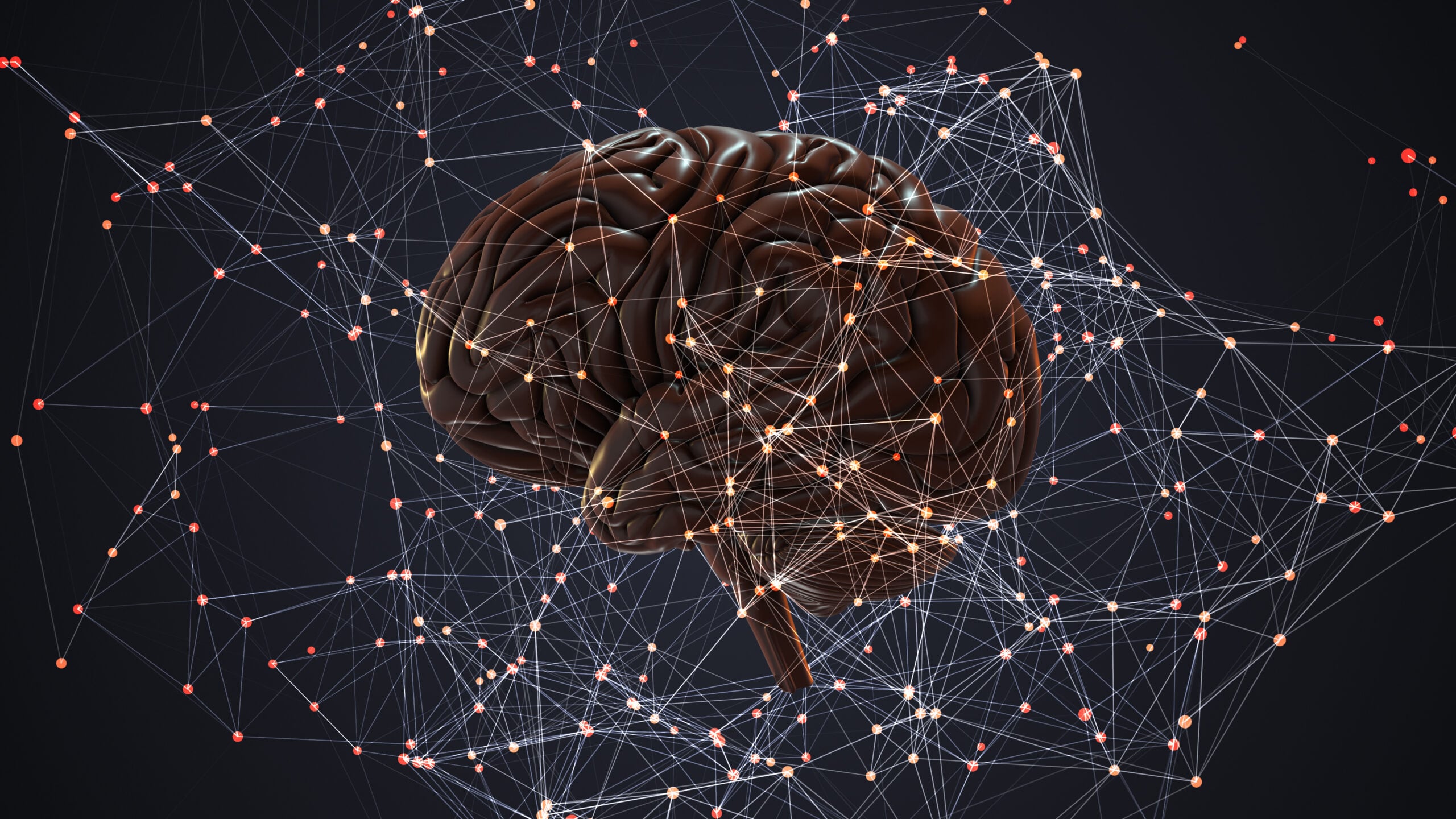
Last but not least, deep brain stimulation, which works by applying high-frequency pulses to specific brain areas, offers a way to reduce non-motor symptoms, such as levodopa-responsive pain. In addition, it has also proven to be a suitable therapeutic method for fluctuations.

It turns out that the possibilities of diagnosing and treating Parkinson’s disease have made great progress since its discovery a good 200 years ago. Nevertheless, this disease will remain a major challenge for the treating physician in the future, not least because it has a very high prevalence: Along with Alzheimer’s disease, it is one of the most common neurodegenerative diseases.

Cordial collegial greetings

Prof. Dr. med. Philippe Lyrer
Prof. Dr. med. Erich Seifritz
Publikation
  • InFo NEUROLOGIE & PSYCHIATRIE
Related Topics
  • Antiparkinsonian
  • Parkinson's disease
  • polymorbid
  • Pseudoparkinsonism
  • Retard preparation
  • secondary Parkinson's syndrome
  • Suffering
  • Symptoms
Previous Article
  • American Association for Thoracic Surgery, May 2013 in Minneapolis.

On the cutting edge of cardiac surgery

  • Cardiology
  • Congress Reports
  • RX
View Post
Next Article
  • News from the AGLA

Swiss compromise in atherosclerosis prevention

  • Cardiology
  • Congress Reports
  • Endocrinology and Diabetology
  • Gastroenterology and Hepatology
  • Nephrology
  • RX
View Post
You May Also Like
View Post
  • 6 min
  • Tick season: danger from early summer meningoencephalitis

TBE vaccination recommended for adults and children aged 3 and over

    • Education
    • Infectiology
    • Neurology
    • Prevention and health care
    • RX
    • Studies
View Post
  • 13 min
  • New WHO guideline, updated stimulation protocols, focus on PGT-A

Fertility and reproductive medicine 2026

    • Education
    • Gynecology
    • RX
    • Studies
View Post
  • 12 min
  • Wound treatment

Surgical wound complications

    • CME continuing education
    • Dermatology and venereology
    • Endocrinology and Diabetology
    • Geriatrics
    • Physical medicine and rehabilitation
    • RX
    • Surgery
View Post
  • 8 min
  • Proteins in wound healing

Do special amino acids lead to success?

    • CME continuing education
    • Dermatology and venereology
    • Endocrinology and Diabetology
    • Nutrition
    • RX
    • Studies
View Post
  • 8 min
  • Proteins in wound healing

Do special amino acids lead to success?

    • CME continuing education
    • Dermatology and venereology
    • Endocrinology and Diabetology
    • Nutrition
    • RX
    • Studies
View Post
  • 0 min
  • Psychedelic-assisted therapy

Current status of PAT

    • CME continuing education
    • General Internal Medicine
    • Pharmacology and toxicology
    • Psychiatry and psychotherapy
    • RX
    • Studies
View Post
  • 5 min
  • Hepatitis B prophylaxis

Vaccination protection for healthcare staff with patient contact – an update

    • Congress Reports
    • General Internal Medicine
    • Infectiology
    • Prevention and health care
    • RX
View Post
  • 7 min
  • Plastic surgery and reconstructive microsurgery for DFS

Functional limb preservation between infection control, vascular medicine and resurfacing

    • Angiology
    • CME continuing education
    • Endocrinology and Diabetology
    • General Internal Medicine
    • Geriatrics
    • Physical medicine and rehabilitation
    • RX
    • Surgery
  • IBD matters

    Zum Thema
Top CME content
  • 1
    Do special amino acids lead to success?
  • 2
    Current status of PAT
  • 3
    Surgical wound complications
  • 4
    Do special amino acids lead to success?
  • 5
    Functional limb preservation between infection control, vascular medicine and resurfacing

Newsletter

Sign up and stay up to date

Subscribe
Medizinonline Medizinonline
  • Contact
  • General terms and conditions
  • Imprint

Input your search keywords and press Enter.