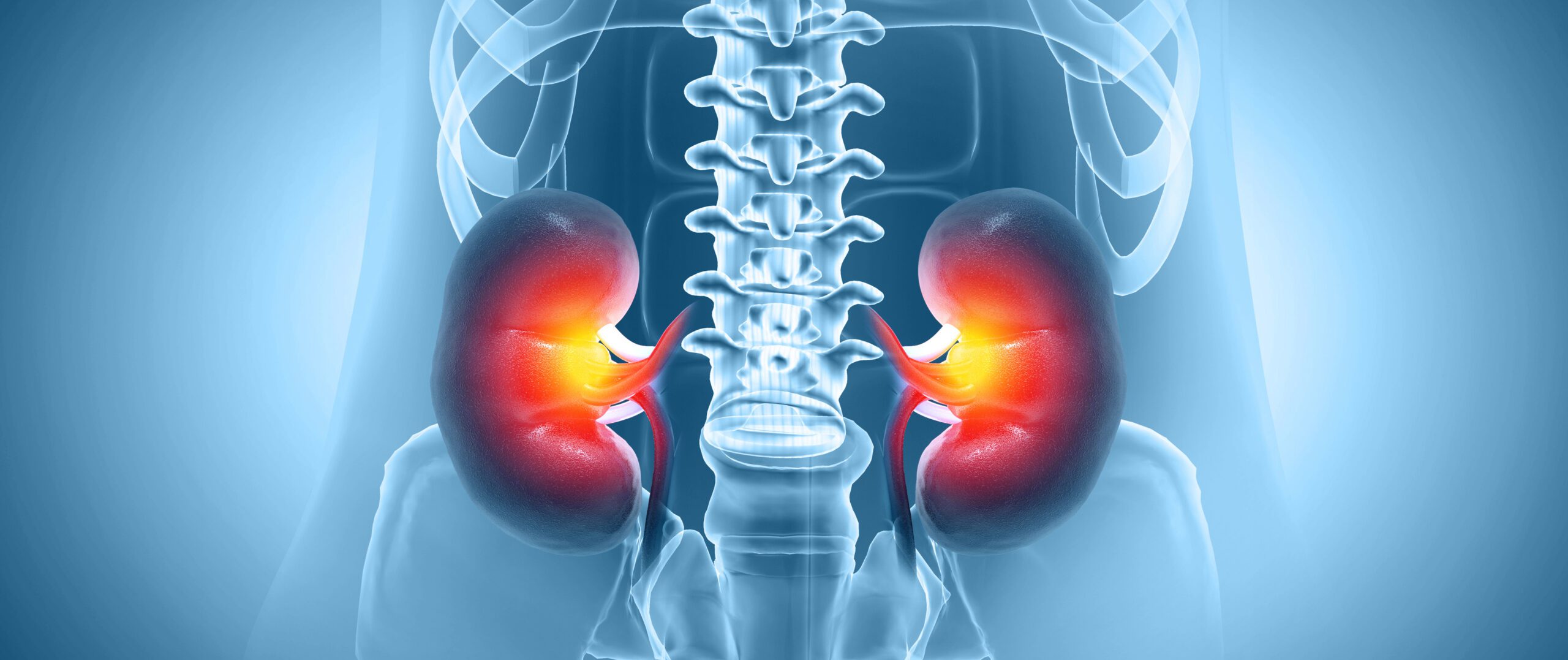
In the recent past, the nephroprotective treatment armamentarium has been significantly expanded. It is essential that impaired renal function is detected in good time in order for patients to receive these innovative treatment options, which act as an add-on to RAAS inhibition and additionally inhibit progression, within a reasonable period of time. SGLT-2-i as well as GLP-1-RA and non-steroidal MRA have now found their way into international guidelines due to their evidence-based favorable effects on the heart and kidneys.
Autoren
- Mirjam Peter, M.Sc.
Publikation
- HAUSARZT PRAXIS

Related Topics
You May Also Like
- "Forgotten axis" between plant substances, gut and systemic health
Microbiome and phytotherapy
- HIV: updated EACS guideline
Individualized approach to sustainable prevention and care
- Evidence-based diagnostics and treatment in the medical setting
Anxiety and depression disorders in adolescence
- Neuroenhancement
Can you swallow intelligence? Relevant substance classes times for healthy people
- Microbiome, inflammaging and affective/cognitive health
Gut-brain axis in old age
- Vitiligo - the level of suffering should not be underestimated
A lot can be achieved therapeutically nowadays
- Vector-borne infections with skin manifestations
Arboviruses and leishmaniasis in Europe
- Patient-centered rounds in medicine