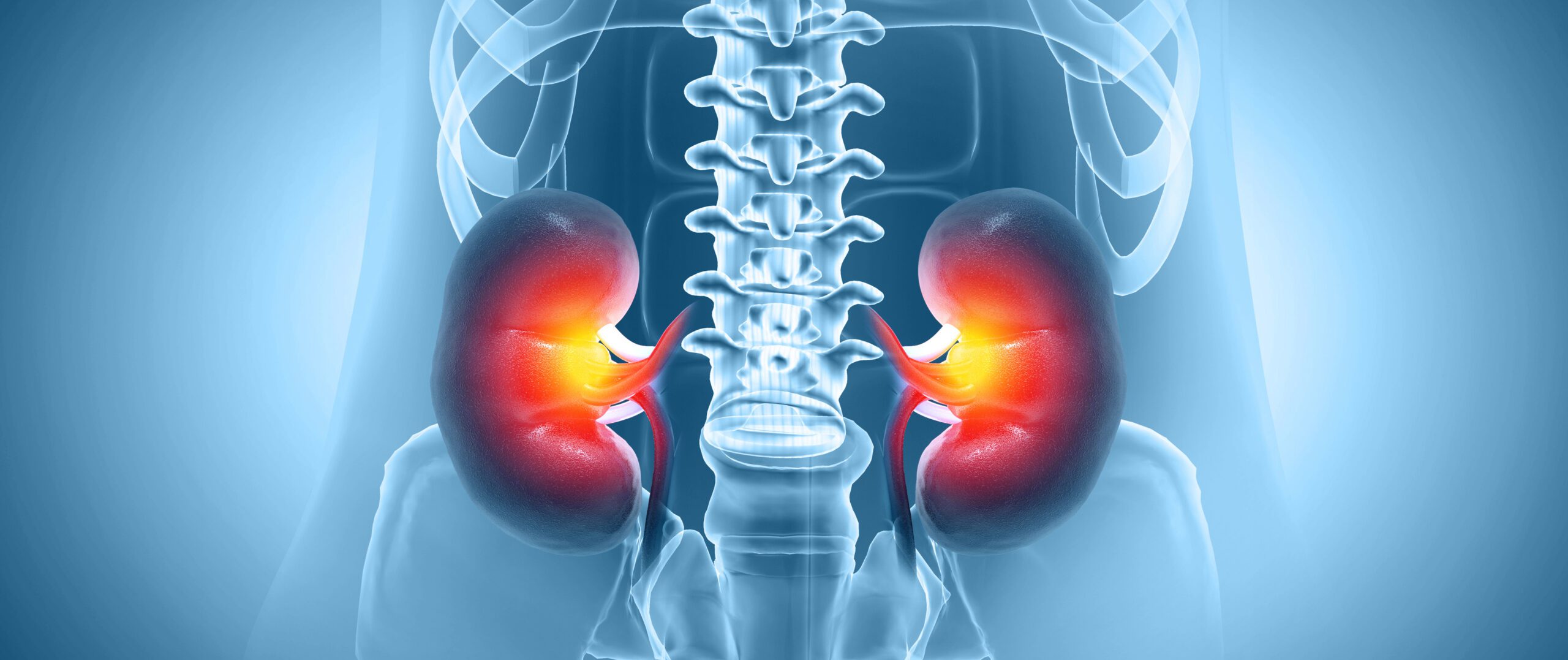
In the recent past, the nephroprotective treatment armamentarium has been significantly expanded. It is essential that impaired renal function is detected in good time in order for patients to receive these innovative treatment options, which act as an add-on to RAAS inhibition and additionally inhibit progression, within a reasonable period of time. SGLT-2-i as well as GLP-1-RA and non-steroidal MRA have now found their way into international guidelines due to their evidence-based favorable effects on the heart and kidneys.
Autoren
- Mirjam Peter, M.Sc.
Publikation
- HAUSARZT PRAXIS

Related Topics
You May Also Like
- Cholangiocarcinoma
Modern molecular diagnostics and targeted therapy options
- Treatment resistant depression
Esketamine nasal spray as monotherapy? New for treatment-resistant depression
- Analysis of SNVCS data from the period 2005-2022
TBE vaccination for children and adolescents in Switzerland
- Tuberculosis
Detecting diabetes in TB patients early and efficiently
- Trichophyton indotineae
Terbinafine-resistant dermatophytoses are on the rise in Central Europe
- Peristomal skin health
Focus on preventive care options
- Disease-modifying therapies for ATTR-CM
TTR stabilizers, gene silencing and gene scissors: where do we stand?
- Proteins in wound healing