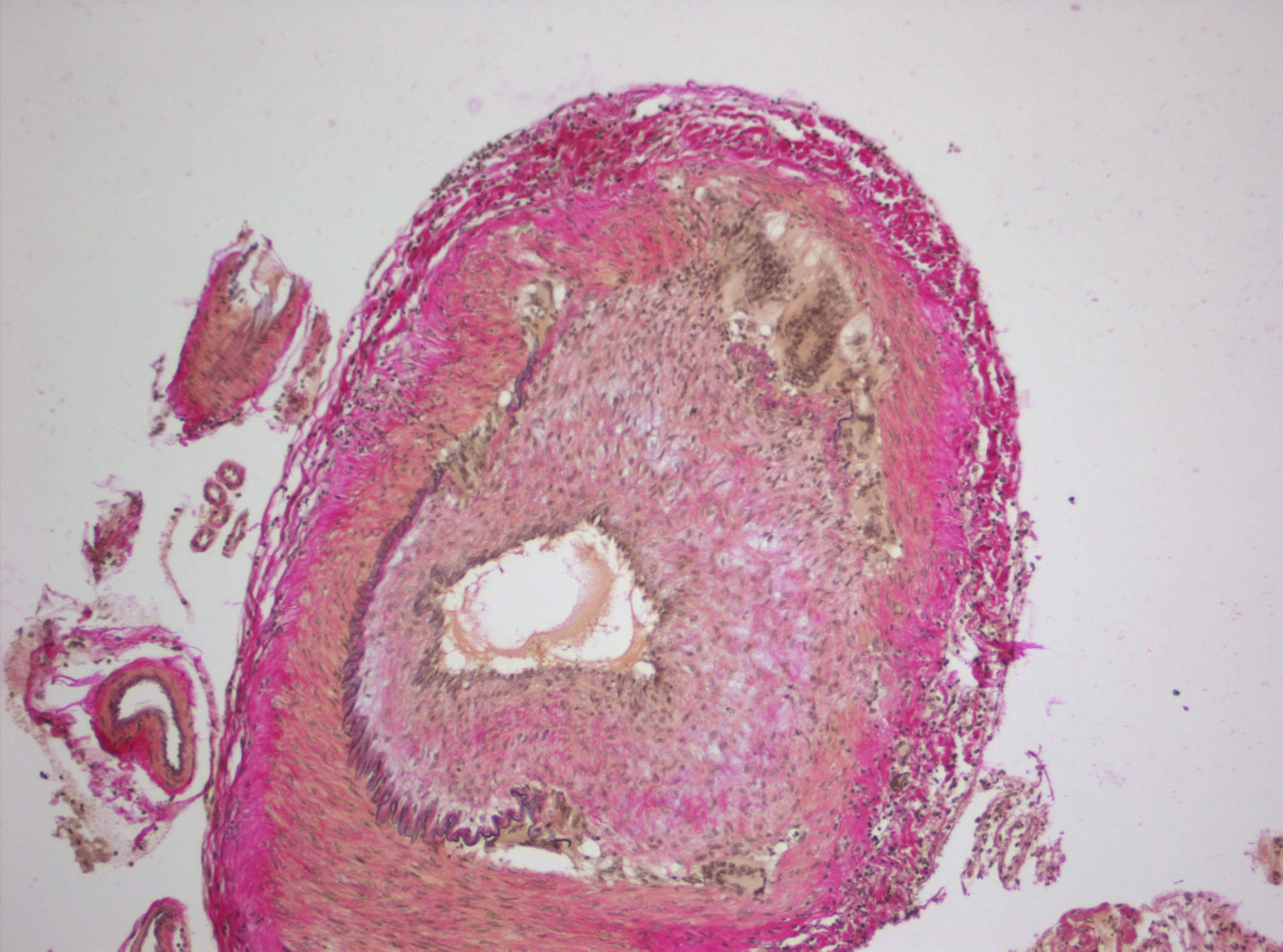
In cases of chest pain caused by coronary insufficiency, acute coronary syndrome (ACS) should be considered. There is an increased risk in men aged ≥55 and women aged ≥65, as well as in patients with known vascular disease and when symptoms are exertion-dependent. If ACS is suspected, an ECG should be performed as soon as possible after the initial consultation. If there are signs of ACS, immediate hospitalization and intensive care should be initiated. Thanks to medical advances, the prognosis has improved, but to ensure that “best-practice” management works effectively, there are several factors to consider.
Autoren
- Mirjam Peter, M.Sc.
Publikation
- HAUSARZT PRAXIS

Related Topics
- ACE inhibitors
- ACS
- Acute coronary syndrome
- Analgesics
- Aspirin
- "Best Practice" Management
- beta-blocker
- Chest pain
- Coronary insufficiency
- DAPT
- Dual platelet inhibition
- ECG
- Heart attack
- Heparin
- highly sensitive cardiac troponin
- Hospital
- hs-cTn
- inpatient admission
- Intensive care
- lipid-lowering agents
- Pectanginous chest pain
- PRECISE-DAPT Score
- Secondary prevention
- triage
You May Also Like
- Congenital Vascular Malformations
Personalized Treatment Before a Planned Pregnancy
- Fibromyalgia Syndrome
Development, Diagnosis, Epidemiology, and Treatment of a Disease Entity
- Clinically Suspected Arthralgias
“Watchful waiting” or intervention?
- Tumors of the Calcaneus
Diagnostic Challenges of Rare Heel Tumors
- Upper GI Tract Bleeding: Hematemesis, Hematochezia, or Melena?
From Risk Stratification to Post-Endoscopic Management
- Obesity, Nutrition, and Mental Health
Depression, Binge Eating, Internalized Stigma
- From Hypertension to Heart Failure?
When and how to intervene
- Switzerland's First PTH Replacement Therapy