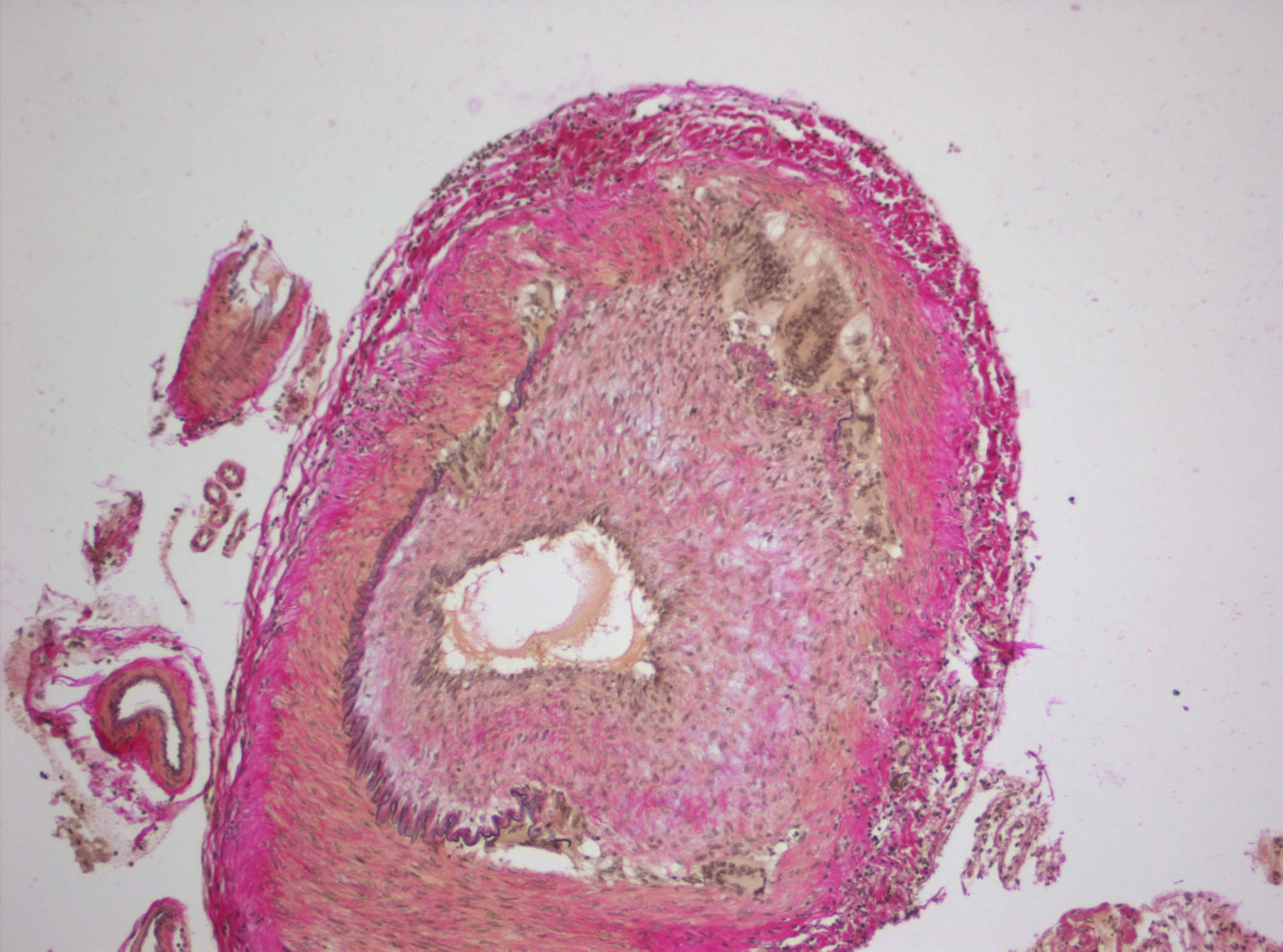
In cases of chest pain caused by coronary insufficiency, acute coronary syndrome (ACS) should be considered. There is an increased risk in men aged ≥55 and women aged ≥65, as well as in patients with known vascular disease and when symptoms are exertion-dependent. If ACS is suspected, an ECG should be performed as soon as possible after the initial consultation. If there are signs of ACS, immediate hospitalization and intensive care should be initiated. Thanks to medical advances, the prognosis has improved, but to ensure that “best-practice” management works effectively, there are several factors to consider.
Autoren
- Mirjam Peter, M.Sc.
Publikation
- HAUSARZT PRAXIS

Related Topics
- ACE inhibitors
- ACS
- Acute coronary syndrome
- Analgesics
- Aspirin
- "Best Practice" Management
- beta-blocker
- Chest pain
- Coronary insufficiency
- DAPT
- Dual platelet inhibition
- ECG
- Heart attack
- Heparin
- highly sensitive cardiac troponin
- Hospital
- hs-cTn
- inpatient admission
- Intensive care
- lipid-lowering agents
- Pectanginous chest pain
- PRECISE-DAPT Score
- Secondary prevention
- triage
You May Also Like
- Fibromyalgia Syndrome
Development, Diagnosis, Epidemiology, and Treatment of a Disease Entity
- Across All Types of Cancer
Four-Legged Medical Assistants – Therapy Dogs in Clinical Settings
- Obesity: More than half of those affected have fatty liver disease
From screening to multimodal intervention with GLP-1-RA or resmetirom
- Innovative Oral Treatment Options for Psoriasis: Icotrokinra and Zasocitinib
First-class immunomodulation combined with convenience—the data available so far is convincing
- Preclinical Study on a Special Ginkgo biloba Extract
What role do proanthocyanidins play?
- Myasthenia gravis: immunomodulatory therapies for long-term treatment
Expanded Possibilities Thanks to Innovative Classes of Active Ingredients
- Interstitial Lung Diseases
Update on Idiopathic Pulmonary Fibrosis
- Plastic surgery and reconstructive microsurgery for DFS