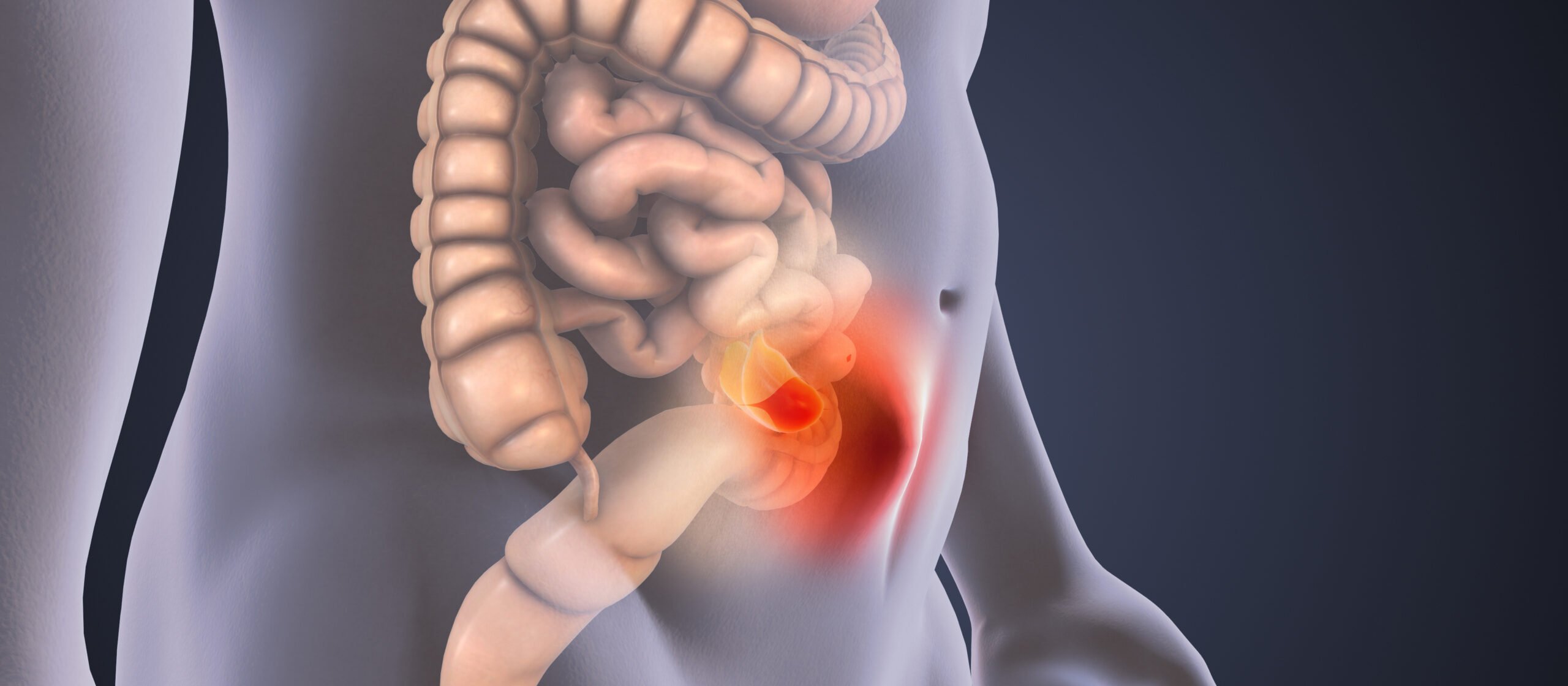
If the hernia can be seen from the outside or if the protrusion resulting from a hernia leads from the inside of the body towards the skin, it is referred to as an external hernia. The most common external hernias are inguinal, umbilical, incisional, abdominal wall and femoral hernias. Different types of hernias can be reliably detected and classified using ultrasound, CT or MRI.
Autoren
- Dr. med. Hans-Joachim Thiel
Publikation
- HAUSARZT PRAXIS
Related Topics
You May Also Like
- Phytotherapy for rhinosinusitis
Evidence, active substances and clinical classification for medical practice
- Contact eczema
Causes and prevention at work
- Pulmonary hypertension
PH and lung diseases
- Respiratory infections: viral bronchitis or bacterial pneumonia?
Old crucial question in the light of current findings
- What biomarkers reveal about "biological youth" - and what not (yet)
Epigenetic ageing
- Amyotrophic lateral sclerosis and nutrition
Calorie optimization in ALS through digital intervention
- "Forgotten axis" between plant substances, gut and systemic health
Microbiome and phytotherapy
- HIV: updated EACS guideline