This content is machine translated Quantitative sensory testing in neuropathic pain. Comprehensive functional analysis of the somatosensory nervous system Pain is one of the most difficult symptoms to detect. Many other signs of disease, such as skin symptoms or paralysis, are visible, palpable, and thus objectifiable. In the assessment…
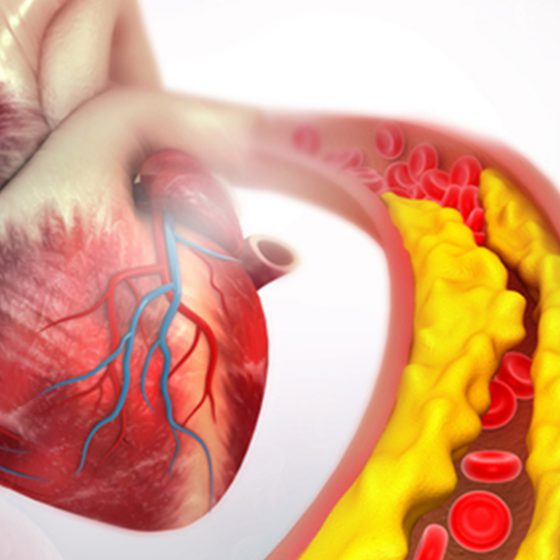
View Post 3 min This content is machine translated High-risk cardiovascular patients. Strong reduction of LDL-C levels in daily practice achievable by combination therapies Current treatment guidelines recommend low low-density lipoprotein cholesterol (LDL-C) levels for high-risk cardiovascular patients, which are unlikely to be achieved by statin therapy alone [1,2]. The fact that cardiovascular high-risk…
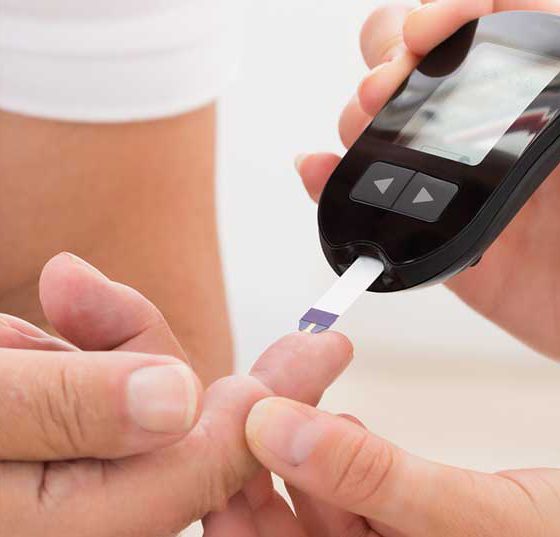
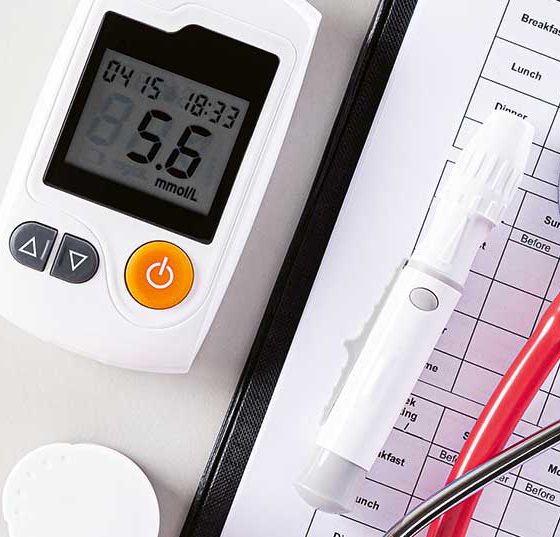
View Post 6 min This content is machine translated Diabetic polyneuropathy Measure nerve conduction velocity for diagnosis Diabetic polyneuropathy (dPNP) is the most common neuropathy in Western countries. But who gets them and how do you recognize them? This question is particularly important because 40% of those…
View Post 3 min This content is machine translated SGLT2 inhibitors Cardioprotective effect proven and found to be good – a statement One of the serious long-term consequences of diabetes mellitus is cardiovascular disease. Heart failure, in particular, is common in patients who have had diabetes for a long time. Recent study…
View Post 3 min This content is machine translated Diabetes Management Type 1 diabetics benefit from additive oral therapy Type 1 diabetics with obesity in whom insulin therapy alone is insufficient for glycemic control may additionally benefit from oral treatment with an SGLT2 inhibitor. Recent study results show good…
View Post 12 min This content is machine translated Venous thromboembolism Risks associated with hormone therapy Venous thromboembolism (VTE) is the third most common cardiovascular disease in Central Europe. They manifest as deep vein thrombosis in about two-thirds of cases and with symptoms of pulmonary embolism… CME-Test
View Post 5 min This content is machine translated Diabetic nephropathy SGLT-2 inhibitor protects heart and kidney also in the real-world setting Type 2 diabetes mellitus (T2DM) significantly increases the risk of cardiovascular and renal diseases [1, 2]. However, SGLT-2 inhibitors not only lower blood glucose levels but also have cardio- and…
View Post 7 min This content is machine translated Testosterone Testosterone substitution in the older man: for whom, when and how? Hypogonadism is a clinical syndrome in which dysfunction in the hypothalamic-pituitary-gonadal axis results in decreased production of testosterone with clinical symptoms of testosterone deficiency. When should substitution take place?
View Post 4 min This content is machine translated Diabetes Cases Intensification of the treatment of type 2 diabetes mellitus In a 63-year-old patient, although glucose metabolic control is quite good, there is still potential for optimizing diabetes management. Thus, with a change in therapy, his pre-existing cardiovascular conditions can…
View Post 4 min This content is machine translated SGLT-2 inhibitors and GLP-1-RA How they can protect against diabetic sequelae In recent years, numerous new glucose-lowering agents have been developed. SGLT-2 inhibitors and GLP-1 receptor agonists have demonstrated cardiovascular and nephroprotective effects in large clinical endpoint studies. The variety of…
View Post 3 min This content is machine translated Diabetes Cases Type 2 diabetes mellitus and advanced renal failure A 73-year-old female patient who has had type 2 diabetes mellitus for 10 years is unhappy with her weight and needs improved glycemic control. However, macronutrient malnutrition combined with advanced…