Medizinonline Medizinonline
  • News
    • News
    • Market & Medicine
  • Patients
    • Disease patterns
    • Diagnostics
    • Therapy
  • Partner Content
    • Diabetes
      • Dia-Month Club – Type 2 Diabetes
      • Diabetes in Motion
      • Diabetes Podcasts
    • Gastroenterology
      • IBD matters
    • Oncology
      • Swiss Oncology in motion
    • Orthopedics
      • Osteoporosis in motion
  • Departments
    • Allergology and clinical immunology
    • General Internal Medicine
    • Anesthesiology
    • Angiology
    • Surgery
    • Dermatology and venereology
    • Endocrinology and Diabetology
    • Nutrition
    • Gastroenterology and Hepatology
    • Genetics
    • Geriatrics
    • Gynecology
    • Hematology
    • Infectiology
    • Cardiology
    • Nephrology
    • Neurology
    • Emergency and intensive care medicine
    • Nuclear Medicine
    • Oncology
    • Ophthalmology
    • ORL
    • Orthopedics
    • Pediatrics
    • Pharmacology and toxicology
    • Pharmaceutical medicine
    • Phlebology
    • Physical medicine and rehabilitation
    • Pneumology
    • Prevention and health care
    • Psychiatry and psychotherapy
    • Radiology
    • Forensic Medicine
    • Rheumatology
    • Sports Medicine
    • Traumatology and trauma surgery
    • Tropical and travel medicine
    • Urology
    • Dentistry
  • CME & Congresses
    • CME continuing education
    • Congress Reports
    • Congress calendar
  • Practice
    • Noctimed
    • Practice Management
    • Jobs
    • Interviews
  • Log In
  • Register
  • My account
  • Contact
  • Publications
  • Contact
  • Deutsch
  • English
  • Français
  • Italiano
  • Português
  • Español
Subscribe
Medizinonline Medizinonline
  • News
    • News
    • Market & Medicine
  • Patienten
    • Krankheitsbilder
    • Diagnostik
    • Therapie
  • Partner Content
    • Diabetes
      • Dia-Month Club – Type 2 Diabetes
      • Diabetes in Motion
      • Diabetes Podcasts
    • Gastroenterology
      • IBD matters
    • Oncology
      • Swiss Oncology in motion
    • Orthopedics
      • Osteoporosis in motion
    • Phytotherapie
    • Rheumatology
  • Departments
    • Fachbereiche 1-13
      • Allergology and clinical immunology
      • General Internal Medicine
      • Anesthesiology
      • Angiology
      • Surgery
      • Dermatology and venereology
      • Endocrinology and Diabetology
      • Nutrition
      • Gastroenterology and Hepatology
      • Genetics
      • Geriatrics
      • Gynecology
      • Hematology
    • Fachbereiche 14-26
      • Infectiology
      • Cardiology
      • Nephrology
      • Neurology
      • Emergency and intensive care medicine
      • Nuclear Medicine
      • Oncology
      • Ophthalmology
      • ORL
      • Orthopedics
      • Pediatrics
      • Pharmacology and toxicology
      • Pharmaceutical medicine
    • Fachbereiche 26-38
      • Phlebology
      • Physical medicine and rehabilitation
      • Phytotherapy
      • Pneumology
      • Prevention and health care
      • Psychiatry and psychotherapy
      • Radiology
      • Forensic Medicine
      • Rheumatology
      • Sports Medicine
      • Traumatology and trauma surgery
      • Tropical and travel medicine
      • Urology
      • Dentistry
  • CME & Congresses
    • CME continuing education
    • Congress Reports
    • Congress calendar
  • Practice
    • Noctimed
    • Practice Management
    • Jobs
    • Interviews
Login

Sie haben noch keinen Account? Registrieren

  • SGLT2 inhibitors

Cardioprotective effect proven and found to be good – a statement

    • Cardiology
    • Education
    • Endocrinology and Diabetology
    • RX
    • Studies
  • 3 minute read

One of the serious long-term consequences of diabetes mellitus is cardiovascular disease. Heart failure, in particular, is common in patients who have had diabetes for a long time. Recent study data have now brought to light that the group of SGLT2 inhibitors also has a positive effect on heart failure. The German Society of Cardiology comments.

Patients with heart failure have to accept a significant reduction in their quality of life and the risk of mortality is high. Although efficient drugs for the treatment of heart failure have been developed in recent years, mortality and the number of hospitalizations have remained constant. Chronic heart failure usually develops as a result of other cardiovascular diseases such as hypertension, coronary artery disease, and especially after heart attacks or myocardial inflammation. Now there is new hope: two drugs that were actually developed to treat diabetes have been shown to be very effective drugs against heart failure. Studies have now impressively demonstrated the efficacy of these preparations, as summarized by the German Society of Cardiology in a statement.

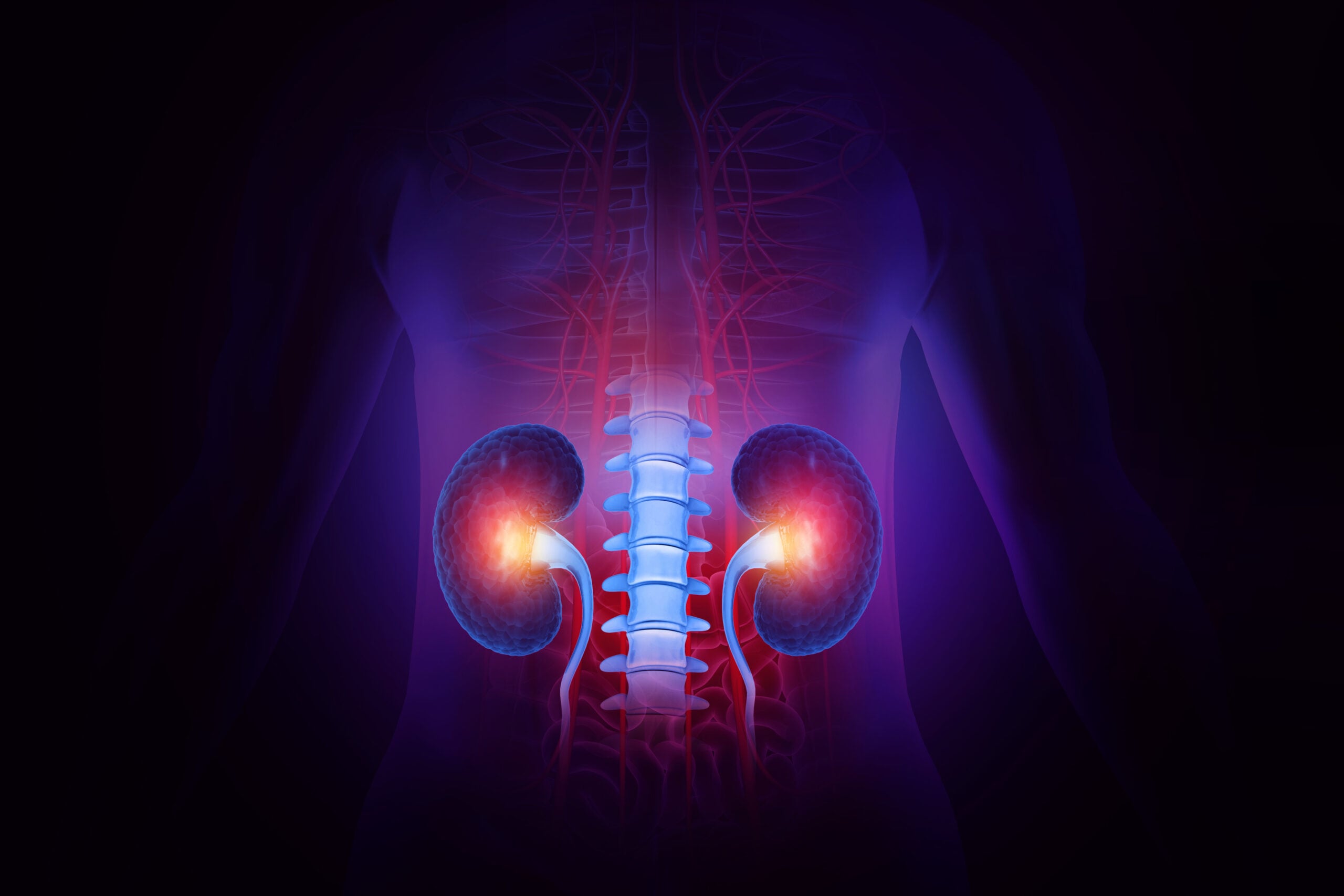
After glitazones, oral diabetes medications, caused an increase in hospitalization rates due to worsening heart failure in the past, safety studies became mandatory for all newly developed antidiabetic drugs. In retrospect, this was a blessing, because on this basis it was noticed that the drugs dapagliflozin and empagliflozin from the group of SGLT 2 inhibitors not only help in diabetes mellitus, but also improve heart failure. The substance class of SGLT2 inhibitors inhibits the reuptake of glucose from the primary urine back into the blood. This causes a loss of glucose and thus a lowering of blood sugar. However, the substances lead not only to glucose loss via the kidney, but also to sodium loss and metabolic changes that could be energetically beneficial for the heart.

Significantly lower risk of cardiovascular deaths

The effect of the two drugs on heart failure has now been investigated in two large studies: the results of the DAPA-HF and EMPEROR studies were published shortly after each other. These were multicenter studies with a combined total of more than 8000 patients treated in a double-blind, randomized fashion. Interestingly, heart failure patients with impaired ventricular function with and without diabetes were included. All study participants continued to receive optimal standard heart failure therapy. Both studies consistently showed a decrease in the risk of cardiovascular death and heart failure hospital admissions of approximately 25%. The effects were independent of modern concomitant therapy in both studies and comparable in patients with and without diabetes mellitus.

Not only diabetes but also heart failure drugs

“The consistent decrease in heart failure complications in diabetics and non-diabetics in the studies is impressive,” reported Prof. Dr. Michael Böhm, press spokesman for the DGK and scientific director of both studies for Germany. “This shows that a diabetes drug can evolve into an efficient heart failure drug based on its effect in non-diabetics.” Prof. Dr. Andreas Zeiher, President of the German Society of Cardiology, added: “These study results are really good news for all patients with heart failure. So far, no other drug has shown such convincing results, especially because kidney function is significantly improved at the same time.” Based on the study results, Böhm expects that SGLT2 inhibitors will most likely be included in the European Guidelines for the Diagnosis and Therapy of Heart Failure with a strong recommendation. This is currently being prepared and will appear in 2021.


Source: “Using diabetes drugs to combat heart failure,” Sept. 06, 2020, German Society of Cardiology.


CARDIOVASC 2020; 19(4): 30

Autoren
  • Leoni Burggraf
Publikation
  • CARDIOVASC
Related Topics
  • Diabetes
  • Heart failure
  • SGLT2
Previous Article
  • Digital Health

Great interest in telemedical services – not only corona-related

  • Education
  • General Internal Medicine
  • Prevention and health care
  • RX
View Post
Next Article
  • Acute generalized exanthematous pustulosis (AGEP).

Not just a T cell-mediated disease?

  • Allergology and clinical immunology
  • Congress Reports
  • Dermatology and venereology
  • Genetics
  • RX
  • Studies
View Post
You May Also Like
View Post
  • 3 min
  • IBD in childhood

Pneumococcal vaccination without negative consequences

    • RX
    • Education
    • Gastroenterology and Hepatology
    • General Internal Medicine
    • Infectiology
    • Pediatrics
    • Prevention and health care
View Post
  • 7 min
  • Plastic surgery and reconstructive microsurgery for DFS

Functional limb preservation between infection control, vascular medicine and resurfacing

    • RX
    • Angiology
    • CME continuing education
    • Dermatology and venereology
    • Endocrinology and Diabetology
    • General Internal Medicine
    • Geriatrics
    • Physical medicine and rehabilitation
    • Surgery
View Post
  • 14 min
  • Seborrheic Dermatitis in Adults and Adolescents

Current State of Knowledge and New Therapeutic Approaches

    • RX
    • CME continuing education
    • Dermatology and venereology
    • Studies
View Post
  • 7 min
  • Orthobiologics for knee osteoarthritis

PRP and hyaluronic acid injections as building blocks in a multimodal concept

    • RX
    • Congress Reports
    • General Internal Medicine
    • Orthopedics
    • Rheumatology
    • Sports Medicine
    • Studies
    • Surgery
View Post
  • 3 min
  • Soft tissue sarcomas of the lower extremity

Diagnostics, subtypes and treatment options

    • RX
    • Education
    • Oncology
View Post
  • 38 min
  • Psychological dependence on AI assistants, smartphones and short videos

Algorithms, avatars and the unburdened mind

    • RX
    • CME continuing education
    • Neurology
    • Pediatrics
    • Prevention and health care
    • Psychiatry and psychotherapy
    • Studies
View Post
  • 12 min
  • The Brain and the Motivation to Eat

Why is it so hard to lose weight?

    • RX
    • CME continuing education
    • Endocrinology and Diabetology
    • General Internal Medicine
    • Nutrition
    • Pharmacology and toxicology
    • Prevention and health care
    • Psychiatry and psychotherapy
    • Studies
View Post
  • 8 min
  • Psychooncology

Communication as the key to therapy adherence

    • CME continuing education
    • Practice Management
    • RX
  • IBD matters

    Zum Thema
Top CME content
  • 1
    Current State of Knowledge and New Therapeutic Approaches
  • 2
    Why is it so hard to lose weight?
  • 3
    Functional limb preservation between infection control, vascular medicine and resurfacing
  • 4
    Algorithms, avatars and the unburdened mind
  • 5
    Communication as the key to therapy adherence

Newsletter

Sign up and stay up to date

Subscribe
Medizinonline Medizinonline
  • Contact
  • General terms and conditions
  • Imprint

Input your search keywords and press Enter.