Medizinonline Medizinonline
  • News
    • News
    • Market & Medicine
  • Patients
    • Disease patterns
    • Diagnostics
    • Therapy
  • Partner Content
    • Diabetes
      • Dia-Month Club – Type 2 Diabetes
      • Diabetes in Motion
      • Diabetes Podcasts
    • Gastroenterology
      • IBD matters
    • Oncology
      • Swiss Oncology in motion
    • Orthopedics
      • Osteoporosis in motion
  • Departments
    • Allergology and clinical immunology
    • General Internal Medicine
    • Anesthesiology
    • Angiology
    • Surgery
    • Dermatology and venereology
    • Endocrinology and Diabetology
    • Nutrition
    • Gastroenterology and Hepatology
    • Genetics
    • Geriatrics
    • Gynecology
    • Hematology
    • Infectiology
    • Cardiology
    • Nephrology
    • Neurology
    • Emergency and intensive care medicine
    • Nuclear Medicine
    • Oncology
    • Ophthalmology
    • ORL
    • Orthopedics
    • Pediatrics
    • Pharmacology and toxicology
    • Pharmaceutical medicine
    • Phlebology
    • Physical medicine and rehabilitation
    • Pneumology
    • Prevention and health care
    • Psychiatry and psychotherapy
    • Radiology
    • Forensic Medicine
    • Rheumatology
    • Sports Medicine
    • Traumatology and trauma surgery
    • Tropical and travel medicine
    • Urology
    • Dentistry
  • CME & Congresses
    • CME continuing education
    • Congress Reports
    • Congress calendar
  • Practice
    • Noctimed
    • Practice Management
    • Jobs
    • Interviews
  • Log In
  • Register
  • My account
  • Contact
  • Publications
  • Contact
  • Deutsch
  • English
  • Français
  • Italiano
  • Português
  • Español
Subscribe
Medizinonline Medizinonline
  • News
    • News
    • Market & Medicine
  • Patienten
    • Krankheitsbilder
    • Diagnostik
    • Therapie
  • Partner Content
    • Diabetes
      • Dia-Month Club – Type 2 Diabetes
      • Diabetes in Motion
      • Diabetes Podcasts
    • Gastroenterology
      • IBD matters
    • Oncology
      • Swiss Oncology in motion
    • Orthopedics
      • Osteoporosis in motion
    • Phytotherapie
    • Rheumatology
  • Departments
    • Fachbereiche 1-13
      • Allergology and clinical immunology
      • General Internal Medicine
      • Anesthesiology
      • Angiology
      • Surgery
      • Dermatology and venereology
      • Endocrinology and Diabetology
      • Nutrition
      • Gastroenterology and Hepatology
      • Genetics
      • Geriatrics
      • Gynecology
      • Hematology
    • Fachbereiche 14-26
      • Infectiology
      • Cardiology
      • Nephrology
      • Neurology
      • Emergency and intensive care medicine
      • Nuclear Medicine
      • Oncology
      • Ophthalmology
      • ORL
      • Orthopedics
      • Pediatrics
      • Pharmacology and toxicology
      • Pharmaceutical medicine
    • Fachbereiche 26-38
      • Phlebology
      • Physical medicine and rehabilitation
      • Phytotherapy
      • Pneumology
      • Prevention and health care
      • Psychiatry and psychotherapy
      • Radiology
      • Forensic Medicine
      • Rheumatology
      • Sports Medicine
      • Traumatology and trauma surgery
      • Tropical and travel medicine
      • Urology
      • Dentistry
  • CME & Congresses
    • CME continuing education
    • Congress Reports
    • Congress calendar
  • Practice
    • Noctimed
    • Practice Management
    • Jobs
    • Interviews
Login

Sie haben noch keinen Account? Registrieren

  • New cellular protection mechanism

Controlled scarring in the brain

    • Anesthesiology
    • RX
  • 3 minute read

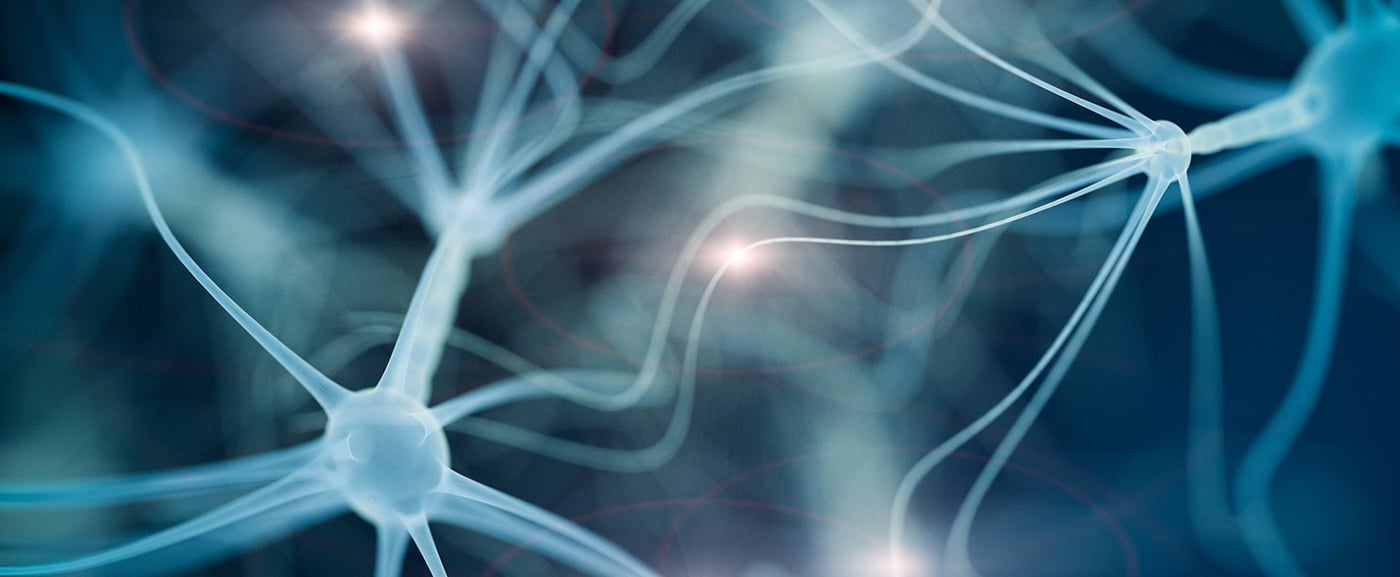
In the case of injuries and infections in the brain, the surrounding glial cells ensure that the sensitive nerve cells are preserved and that rampant nerve damage is prevented. A research team at Charité – Universitätsmedizin Berlin has now been able to show how important the reorganization of scaffold and membrane structures in the glial cells is in this process. The findings, now described in the journal Nature Communications*, shed light on a new cellular protective mechanism through which the brain could actively counteract severe courses of neurological diseases.

The nervous system is particularly sensitive to damage, since nerve cells that have died cannot be renewed. Therefore, especially in the brain, different cells have to work together in a coordinated way to limit the damage after injuries and infections, for example, and to enable healing. So-called astrocytes, the most abundant glial cells in the central nervous system, take a central role in protecting the surrounding tissue. Its protective program – called reactive astrogliosis – supports scar formation, helping to prevent the spread of inflammation and limit tissue damage. At the same time, astrocytes can ensure the survival of neurons in close proximity to tissue injury and support the realignment of neuronal networks. Scientists at the Charité have now elucidated a new mechanism of how these processes take place and are coordinated in astrocytes.

“We were able to show for the first time that the protein drebrin controls astrogliosis in brain injuries,” says Prof. Dr. Britta Eickholt, director of the Institute of Biochemistry and Molecular Biology at Charité and head of the study. “Drebrin is required for astrocytes to form scars as a collective and protect surrounding tissue.” The researchers were able to knock out drebrin in astrocytes – and recreate its role in brain injury in animal models. They studied the cellular changes using electron microscopy and high-resolution light microscopy on the brain – as well as in real time on isolated astrocytes in cell culture. “Loss of drebrin leads to suppression of normal astrocyte activation,” explains Prof. Eickholt. “On the contrary, instead of responding protectively, these astrocytes actually lose their function entirely and give up their cellular identity.” Injuries that are actually harmless thus spread without the protective scarring and more and more nerve cells die.

To enable this scarring, Drebrin controls the reorganization of the actin cytoskeleton, a scaffold for mechanical stabilization, in astrocytes. In this way, the formation of long membrane tubes – so-called tubular endosomes – is also influenced, which serve for the uptake, sorting and redistribution of surface receptors and are necessary for the protective countermeasures of the astrocytes. “Our findings thus show how drebrin controls fundamental functions of astrocytes in defending against harmful influences via the dynamically changing cytoskeleton and membrane structures,” summarizes Prof. Eickholt. “In particular, the membrane tubes that are formed in this process have not been described in this form before in cultured astrocytes or in the brain.”

“Its role as a regulator of the cytoskeleton suggests that drebrin may be a potential risk factor for severe courses of neurological as well as other diseases, because loss of the protein in astrocytes can cause very similar changes,” adds Prof. Eickholt. “It is also possible that affected individuals with Drebrin gene defects – comparable to the animal model – are completely unremarkable until cellular stress, environmental toxins, or disease trigger their expression.” Studies on samples from patients will now clarify the extent to which drebrin also plays a role in other diseases, such as Alzheimer’s disease.  

*Schiweck J et al. Drebrin controls scar formation and astrocyte reactivity upon traumatic brain injury by regulating membrane trafficking. Nat Commun (2021), doi: 10.1038/s41467-021-21662-x.

Original publication:
https://www.nature.com/articles/s41467-021-21662-x
Previous Article
  • Urothelial carcinoma

The role of checkpoint inhibitors

  • Congress Reports
  • Oncology
  • RX
  • Studies
  • Urology
View Post
Next Article
  • Sponsored Content

RYBELSUS® – Semaglutide as the world’s first and only oral GLP-1 analogue

  • Endocrinology and Diabetology
  • RX
View Post
You May Also Like
View Post
  • 8 min
  • Proteins in wound healing

Do special amino acids lead to success?

    • CME continuing education
    • Dermatology and venereology
    • Endocrinology and Diabetology
    • Nutrition
    • RX
    • Studies
View Post
  • 7 min
  • Plastic surgery and reconstructive microsurgery for DFS

Functional limb preservation between infection control, vascular medicine and resurfacing

    • Angiology
    • CME continuing education
    • Endocrinology and Diabetology
    • General Internal Medicine
    • Geriatrics
    • Physical medicine and rehabilitation
    • RX
    • Surgery
View Post
  • 9 min
  • Polycystic ovary syndrome 2025/2026

New pathophysiology, updated diagnostics and the age of incretin mimetics

    • Education
    • Gastroenterology and Hepatology
    • General Internal Medicine
    • Gynecology
    • Pharmacology and toxicology
    • RX
    • Studies
View Post
  • 14 min
  • Heart failure and type 2 diabetes

Oral semaglutide and cardiac decompensation in type 2 diabetes

    • Cardiology
    • Education
    • Endocrinology and Diabetology
    • RX
    • Studies
View Post
  • 7 min
  • Atopic dermatitis as a door opener for an atopic cascade?

AD trajectories: Summary of current findings

    • Allergology and clinical immunology
    • Congress Reports
    • Dermatology and venereology
    • RX
    • Studies
View Post
  • 11 min
  • New evidence on descensus, urinary incontinence and the future of reconstruction

Urogynecology and pelvic floor surgery 2026

    • Education
    • General Internal Medicine
    • Gynecology
    • Physical medicine and rehabilitation
    • RX
    • Studies
    • Surgery
    • Urology
View Post
  • 8 min
  • Proteins in wound healing

Do special amino acids lead to success?

    • CME continuing education
    • Dermatology and venereology
    • Endocrinology and Diabetology
    • Nutrition
    • RX
    • Studies
View Post
  • 5 min
  • Case study

Autosomal recessive polycystic kidney disease: atypical phenotype

    • Cases
    • Education
    • Gastroenterology and Hepatology
    • Genetics
    • Nephrology
    • RX
  • IBD matters

    Zum Thema
Top CME content
  • 1
    Functional limb preservation between infection control, vascular medicine and resurfacing
  • 2
    Do special amino acids lead to success?
  • 3
    Do special amino acids lead to success?
  • 4
    Current status of PAT
  • 5
    Surgical wound complications

Newsletter

Sign up and stay up to date

Subscribe
Medizinonline Medizinonline
  • Contact
  • General terms and conditions
  • Imprint

Input your search keywords and press Enter.